
Fire Damper Testing vs Fire Damper Remedials: What’s the Difference?
Why Fire Stopping Is Essential for Building Safety
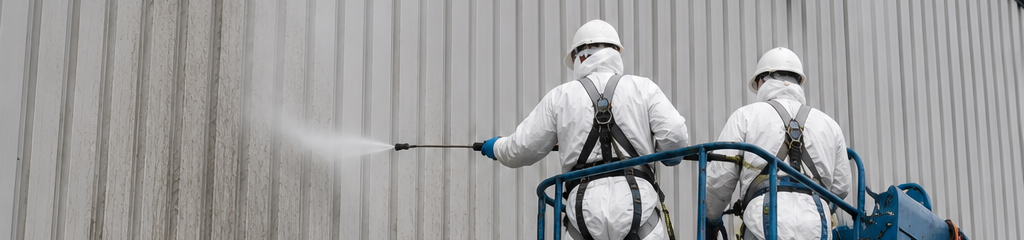
The Importance of Industrial High-Level Cleaning

PROUD TO CONTINUE OUR SPONSORSHIP OF WAKEFIELD TRINITY
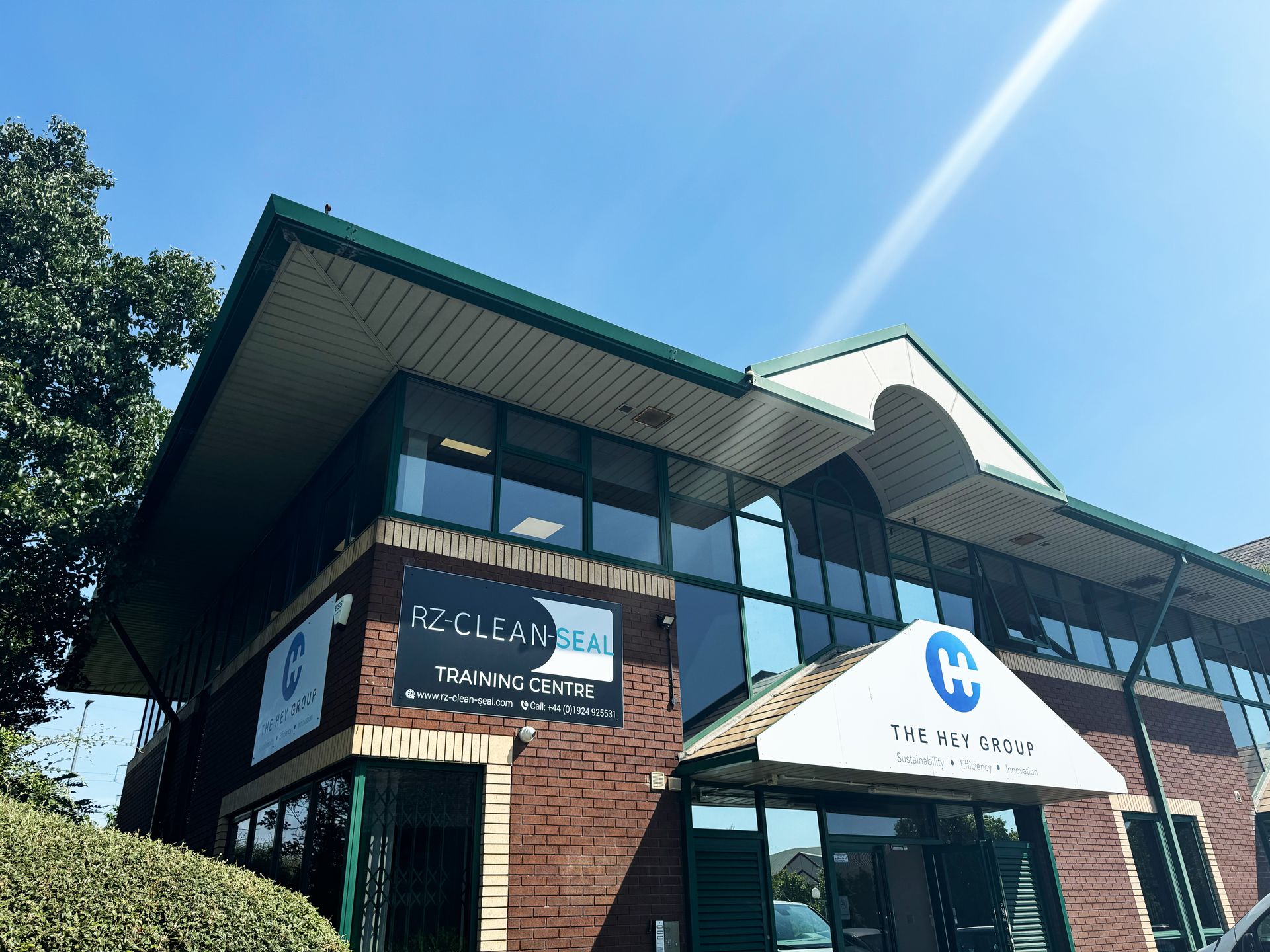
We are committed to supporting our local community across West Yorkshire. From donating new rugby kits to schools to collaborating with Wakefield College on live student projects, community engagement is a core part of what we do. Giving back is central to our business ethos. We believe in investing in the next generation by supporting education, providing opportunities, and helping young people develop real-world skills. As a responsible business, we prioritise ethical standards and best practices in everything we do. Our community initiatives reflect this commitment. We have also made a contribution to Wakefield College, funding departmental upgrades, new equipment, and the development of modern learning spaces. By working closely with local organisations and educational institutions, we aim to create lasting, positive impact where it matters most. As we move forward we intend to take part in more community projects and invest back into Wakefield's future. We will be bringing more updates soon.
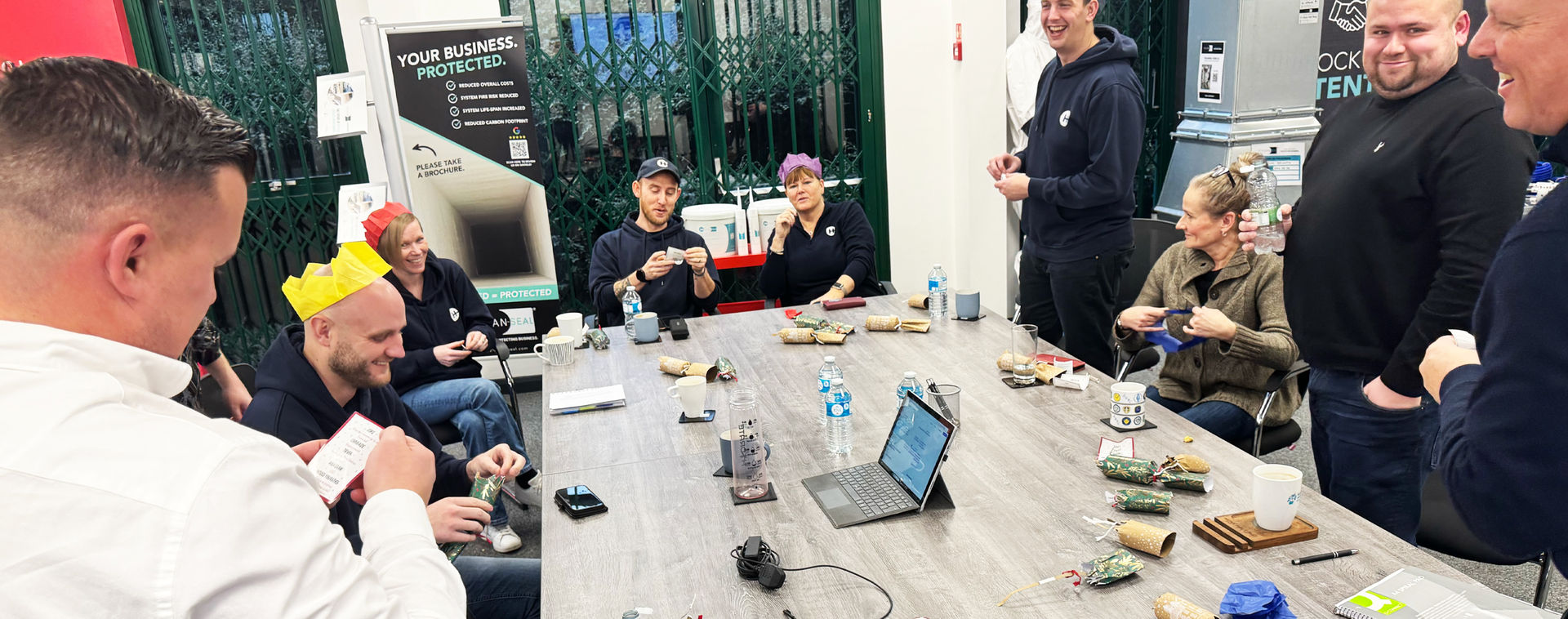
What are the benefits of a yearly summary meeting? Each year, just before the Christmas period, we hold a “Year in Review” meeting to reflect on our annual performance and assess the progress we’ve made as a team. This end-of-year review provides a structured opportunity to evaluate our achievements, measure business impact, and align on priorities for the year ahead. The session covers a full overview of the past twelve months, including new client contracts, key project milestones, and notable successes across the business. We highlight work we are particularly proud of, recognising both individual and team contributions that have helped drive results. In addition to celebrating achievements, we review important business data and financial performance. This allows us to assess growth, track progress against objectives, and gain clear insight into how our work has contributed to overall company success. We also reflect on challenges faced throughout the year and the lessons learned, ensuring continuous improvement going forward. Overall, the Year in Review meeting plays a vital role in strengthening team alignment, recognising success, and setting a clear strategic direction for the future. Brent provides key operational updates, focusing on how we’ve improved the efficiency and delivery of work on the ground. Geoff then shares a broader business update, including performance insights and new ideas and opportunities for the year ahead. The rest of the team also contribute by sharing their individual updates, along with plans and suggestions for how we can continue to improve and develop moving forward.
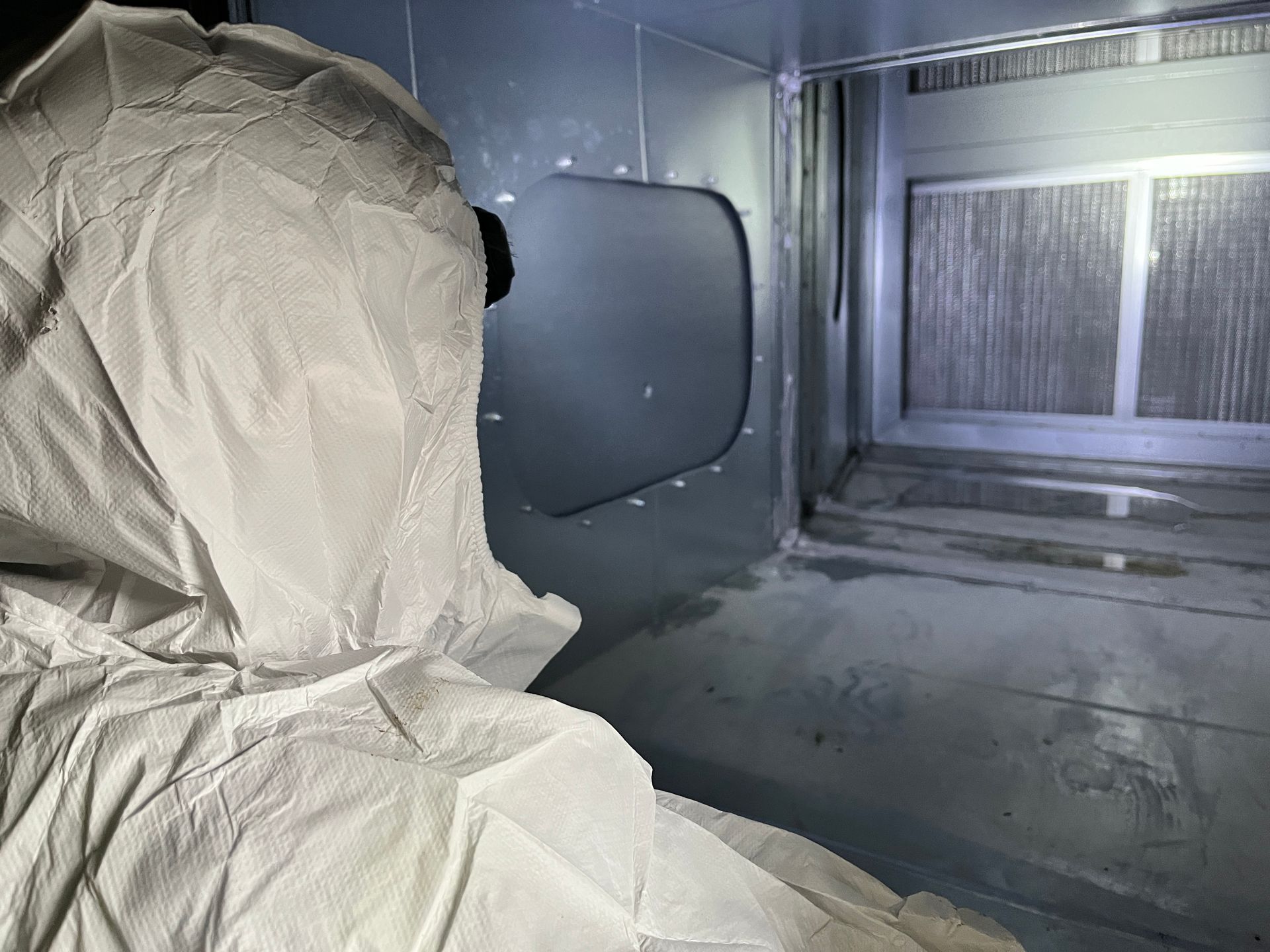
1. Skipping Regular Cleaning Failing to schedule routine cleaning allows dust, debris, and microbial build-up to accumulate. Consequences include: Reduced airflow and energy efficiency Poor indoor air quality Increased risk of system damage Tip: Establish a regular cleaning schedule based on system usage and manufacturer guidance. 2. Ignoring Inspection of Ductwork Ducts often conceal dirt, grease, and contaminants. Skipping inspections can result in: Hidden microbial growth Odours circulating throughout the building Reduced HVAC efficiency Tip: Include full duct inspections as part of every maintenance cycle. 3. Using Unqualified Contractors Hiring non-accredited or inexperienced technicians increases the risk of incomplete cleaning or non-compliance. Tip: Always use accredited professionals (VHR, BESA, SafeContractor, EVHA) for duct and HVAC cleaning. 4. Neglecting Documentation Proper records of cleaning and maintenance are crucial for: Regulatory compliance (TR19® and health & safety) Insurance claims Audits and inspections Tip: Request detailed reports with before-and-after photos and certificates from your contractor. 5. Overlooking Filter Maintenance Dirty or improperly maintained filters can: Circulate dust and allergens Reduce system efficiency Increase energy costs Tip: Replace or clean filters according to manufacturer and TR19® recommendations. 6. Waiting for Problems to Occur Reactive maintenance is risky and costly. Systems left until failure can cause: Unexpected downtime Expensive emergency repairs Compromised air quality Tip: Implement preventive maintenance plans to reduce risk and costs. 7. Ignoring Seasonal Challenges Changes in temperature and humidity can accelerate microbial growth and dust accumulation. Not adapting maintenance accordingly may lead to: Odours and poor air quality Reduced HVAC performance Staff and visitor discomfort Tip: Schedule seasonal inspections to mitigate environmental impacts. 8. DIY Cleaning Attempts Attempting to clean ductwork yourself is often ineffective and dangerous: Risk of injury Incomplete cleaning May void compliance and insurance coverage Tip: Always rely on certified specialists for safe, effective cleaning. 9. Failing to Address Moisture and Condensation Moisture in ducts promotes mould and bacterial growth. Ignoring this can lead to: Health risks for occupants Unpleasant odours System degradation Tip: Inspect for leaks and condensation regularly and address issues immediately. 10. Underestimating the Impact on Health and Comfort Poor duct and HVAC hygiene affects everyone who enters your building: Staff may experience respiratory issues or fatigue Customers and visitors notice poor air quality Reputation and trust can suffer Tip: Maintain clean systems to ensure a safe, comfortable, and healthy environment.

Kitchen Extract Cleaning Frequency Regular cleaning of kitchen extract and HVAC (heating, ventilation, and air conditioning) systems is essential for fire safety, compliance, air quality, and system efficiency. The frequency of cleaning depends on usage, environment, and industry standards such as TR19®. Kitchen extract systems accumulate grease quickly, making them one of the highest-risk areas for fire. According to TR19® guidelines, cleaning frequency should be based on usage levels: Heavy Use (12–16 hours per day): Every 3 months Moderate Use (6–12 hours per day): Every 6 months Light Use (2–6 hours per day): Every 12 months Low Use (less than 2 hours per day): Every 12–24 months Regular cleaning removes grease build-up and reduces the risk of fire, ensuring compliance with fire safety and insurance requirements. HVAC System Cleaning Frequency HVAC systems do not accumulate grease like kitchen extracts, but they still collect dust, debris, and contaminants that affect performance and air quality. Typical cleaning and maintenance schedules include: Air filters: Every 1–3 months Kitchen Extract Ductwork cleaning: 3, 6 or 12 months depending on usage Full system inspection: Annually Businesses with high occupancy, dust levels, or sensitive environments (such as healthcare or food production) may require more frequent cleaning. Factors That Affect Cleaning Frequency Several factors determine how often systems should be cleaned: Type of business: Restaurants require more frequent cleaning than offices Usage levels: Higher usage leads to faster build-up Environment: Dust, grease, and humidity increase contamination Regulatory requirements: Compliance with TR19® and health and safety laws System performance: Reduced airflow or efficiency may indicate cleaning is needed Why Regular Cleaning Matters Failing to clean ventilation systems at the correct intervals can lead to: Increased fire risk from grease accumulation Poor indoor air quality affecting staff and customers Reduced system efficiency and higher energy costs Regulatory non-compliance and potential fines Insurance issues due to lack of maintenance records Routine cleaning helps maintain safe, efficient, and compliant systems. The Importance of Professional, Documented Cleaning Working with accredited contractors ensures that cleaning is carried out to recognised standards and properly documented. This provides: Evidence for compliance and inspections Support for insurance claims A clear audit trail of maintenance Professional services ensure systems are cleaned safely, thoroughly, and in line with industry best practices.

Ensures Regulatory Compliance In the UK, businesses must comply with TR19® ventilation standards, fire safety regulations, and health and safety laws. Documented evidence demonstrates that: Ventilation systems have been regularly cleaned and maintained Work is performed by qualified, accredited contractors Compliance can be verified during inspections or audits Without proper records, businesses may fail inspections or be penalised for non-compliance. Protects Against Insurance Claims Most insurers require proof of regular maintenance for commercial ventilation systems. Documented cleaning: Supports insurance claims in the event of fire, property damage, or health incidents Prevents claims from being denied due to “lack of maintenance” Reduces potential financial exposure for the business Proper records provide peace of mind and demonstrate proactive risk management. Provides Accountability and Traceability Documented reports include: Details of cleaning methods and processes Before-and-after photos of ductwork or extract systems Inspection results and any corrective actions taken These reports create a clear audit trail, showing that the business took all necessary steps to maintain safety and hygiene. Highlights the Value of Accredited Contractors Using accredited contractors like VHR, BESA, or SafeContractor-certified providers ensures that documentation: Meets industry and regulatory standards Is detailed, reliable, and auditable Includes certificates or accreditation confirmation for compliance records Professional documentation reinforces credibility with inspectors, insurers, and stakeholders. Supports Staff, Customer, and Visitor Safety Documented evidence isn’t just about compliance—it also protects the people who occupy your building. Records show that ventilation hygiene is: Regularly monitored and maintained Conducted according to industry best practices Effective at reducing risks of poor air quality, fire, or microbial growth This gives employees, customers, and visitors confidence in the safety of your premises.

Why Summer Ventilation Maintenance Matters Increased Dust and Pollen: Open windows and higher air movement can introduce dust and pollen, affecting indoor air quality. Humidity and Microbial Growth: Warm, humid conditions encourage bacteria, mold, and fungal growth in ventilation ducts and indoor surfaces. Higher System Usage: Cooling systems and fans run more frequently, accumulating dust, grease, and debris faster. Regular cleaning prevents these issues and ensures your systems operate efficiently throughout the season. Protect Staff and Visitors Summer heat combined with poor air circulation can: Trigger allergies, respiratory issues, and headaches Increase fatigue and reduce productivity Cause discomfort for visitors and staff in commercial spaces Maintaining clean air and well-ventilated spaces promotes a healthy, comfortable environment. Improve Efficiency and Reduce Costs Clean ventilation systems circulate air more effectively, reducing energy consumption for air conditioning and cooling. Regular maintenance prevents system breakdowns and costly repairs during peak summer usage. Efficient systems prolong equipment lifespan and save on operational expenses. Reduce Odours and Maintain Hygiene Summer temperatures can amplify odors from kitchens, waste areas, or accumulated dust. Routine cleaning: Removes grease, dirt, and microbial buildup Eliminates stale air and unpleasant smells Enhances overall indoor hygiene for staff, customers, and visitors Work with Accredited Specialists Using accredited contractors ensures summer maintenance is safe, compliant, and effective: VHR, BESA, and SafeContractor accreditation guarantees industry-standard cleaning Documented reports help satisfy TR19 compliance and insurance requirements Specialist contractors like Hey Service Group provide efficient, thorough cleaning with minimal disruption to business operations

Reduce Energy Costs Dirty ducts, fans, and filters make ventilation systems work harder, increasing energy consumption. Regular cleaning and maintenance by specialists: Improves airflow and system efficiency Reduces electricity and gas bills Ensures HVAC systems operate at optimal capacity A clean, well-maintained system uses less energy, which directly translates into significant cost savings over time. Prevent Expensive Repairs and Equipment Replacement Grease, dust, and debris can damage motors, fans, and ductwork. Left unchecked, this leads to: Premature equipment failure Costly repairs or replacements Downtime that disrupts operations Specialist contractors provide thorough cleaning and inspection, identifying potential problems before they become costly emergencies. Avoid Regulatory Fines and Insurance Issues Using accredited ventilation cleaning services ensures compliance with TR19® standards, fire safety regulations, and health and safety law. Failure to maintain systems can result in: Regulatory fines and enforcement notices Rejected insurance claims Legal liability for accidents or fire Maintaining compliance prevents unexpected costs and financial risks. Minimise Operational Disruption Regular professional maintenance prevents breakdowns and system failures that could interrupt business operations. Specialist contractors offer: Scheduled cleaning with minimal disruption Emergency support for urgent issues Efficient service that keeps your business running smoothly Reducing downtime saves money by avoiding lost productivity and operational delays. Extend System Lifespan Routine ventilation cleaning and maintenance prolongs the life of your HVAC and duct systems. This reduces the need for frequent replacements, saving businesses thousands in capital expenditure over time. Benefits of Using Accredited Specialists Choosing VHR, SafeContractor, or BESA-accredited contractors ensures: Work is performed to industry standards Full documentation for compliance, audits, and insurance Safe and efficient cleaning practices that protect your staff, customers, and property Specialist contractors like Hey Service Group combine expertise with professional standards to deliver long-term savings and peace of mind.
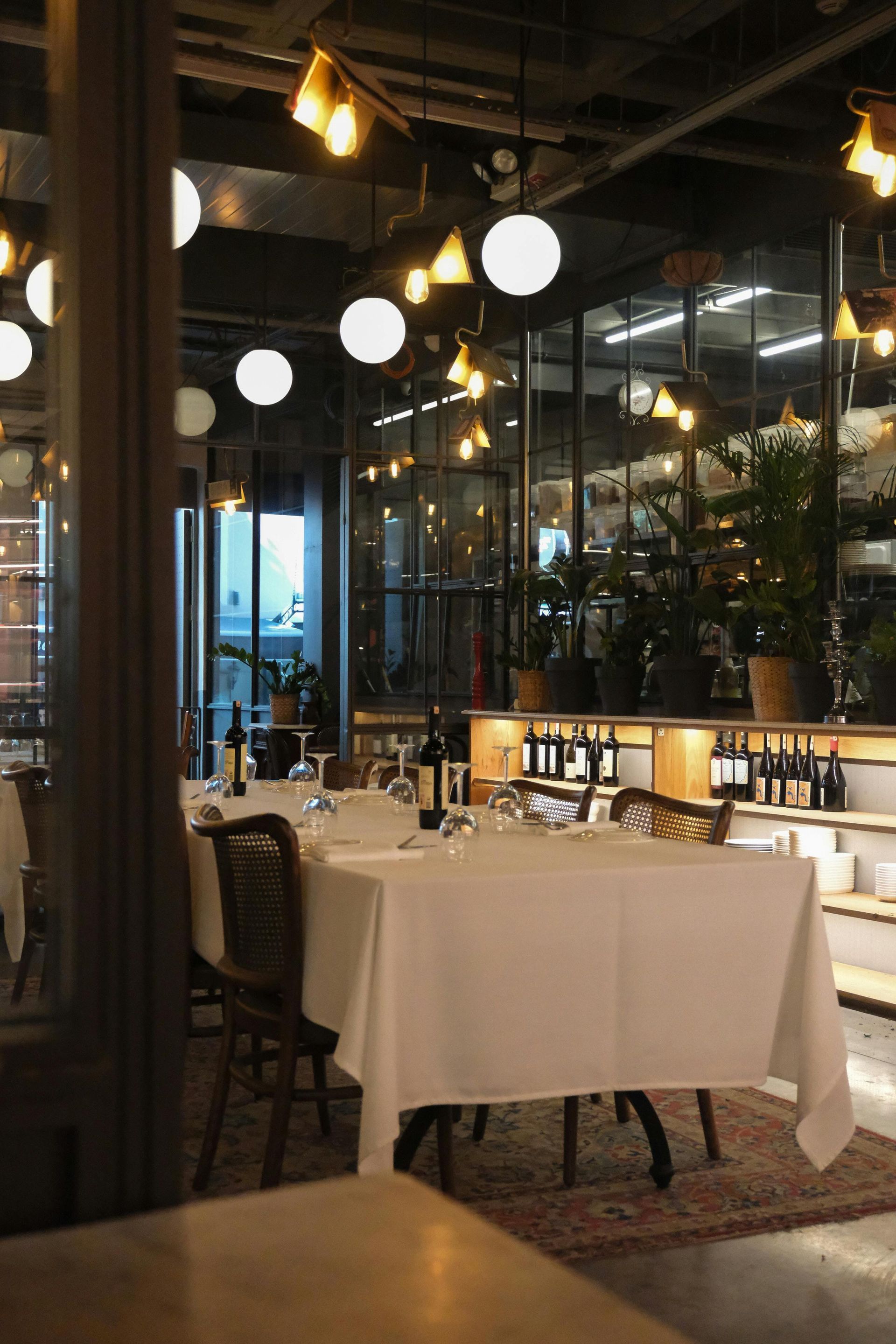
Impact on Staff Health and Productivity Indoor air quality directly affects employee health and performance. Poor ventilation can lead to: Respiratory problems such as asthma, allergies, and infections Headaches, fatigue, and reduced concentration Increased absenteeism due to illness Businesses that maintain clean, well-ventilated spaces help staff stay healthy, alert, and productive. Effects on Customer Experience For businesses that welcome customers or clients, indoor air quality affects perception and comfort: Unpleasant odors or stuffy air can reduce satisfaction Dust or allergens in the air can trigger reactions Visible poor hygiene in ventilation systems can damage reputation Clean, well-maintained ventilation ensures a positive and safe environment, encouraging repeat visits. Safety and Compliance Considerations Neglected ventilation systems can contribute to health and safety risks: Circulation of airborne pathogens and allergens Increased risk of fire hazards in commercial kitchens due to grease build-up Potential regulatory violations under TR19® or other standards Using accredited contractors ensures compliance with regulations and provides documented evidence of safe practices. Long-Term Benefits of Good Ventilation Maintaining clean and efficient ventilation offers significant long-term benefits: Reduces employee sick days and absenteeism Improves indoor air quality and customer satisfaction Enhances overall workplace environment and wellbeing Lowers energy costs by keeping systems efficient Partner with Accredited Ventilation Experts Hiring a certified, experienced contractor ensures that ventilation systems are: Thoroughly cleaned and maintained Fully compliant with TR19® and other standards Professionally documented for audits and inspections Hey Service Group provides accredited ventilation hygiene services that protect staff, customers, and visitors while improving indoor air quality and operational efficiency.
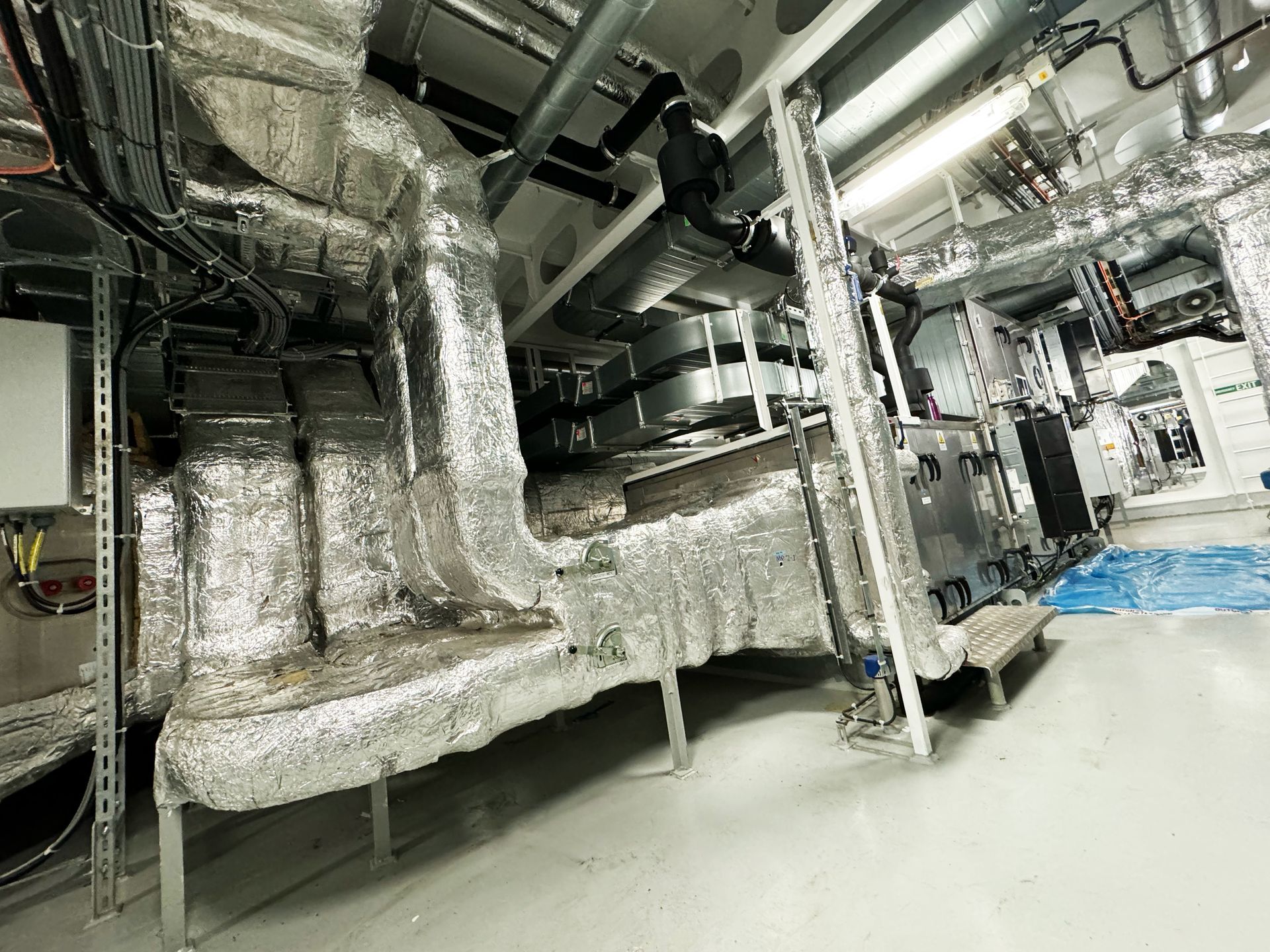
What should I look for in a contractor? Check for Industry Accreditations Accreditations demonstrate a contractor’s competence, compliance, and professionalism. Key certifications to look for include: VHR (Vent Hygiene Register) – Ensures the contractor meets industry ventilation hygiene standards. SafeContractor Approved – Confirms health and safety compliance. BESA (Building Engineering Services Association) Membership – Shows adherence to professional and technical standards. EVHA (European Ventilation Hygiene Association) Membership – Demonstrates European-level ventilation hygiene expertise. Avetta Prequalification – Verifies risk management and compliance for corporate clients. Hiring an accredited contractor reduces the risk of non-compliance and guarantees high-quality work. Verify Experience and References A reputable contractor should have proven experience in commercial ventilation hygiene, including: Kitchens, offices, or industrial spaces Working with TR19® cleaning standards Handling inspections, audits, and reporting Ask for references or case studies to confirm consistent performance and reliability. Review Documentation and Reporting Professional contractors provide detailed, auditable reports after each service. These reports should include: Cleaning methods and processes Inspection results and before/after photos Compliance verification for TR19® and other regulations Documented reporting is essential for insurance, audits, and regulatory compliance. Assess Health & Safety Practices Contractors must follow strict health and safety procedures. Look for: Risk assessments and method statements (RAMS) Trained and competent staff Safe handling of hazardous materials, grease, and dust Health and safety compliance protects both workers and the business. Evaluate Service Scope and Flexibility Choose a contractor that offers: Comprehensive duct and extract cleaning Scheduled maintenance and emergency services Flexible service plans tailored to your business needs A contractor that can scale with your operations ensures ongoing compliance and system efficiency. Confirm Insurance and Liability Coverage A trusted contractor carries adequate liability insurance for fire, property damage, and personal injury. Always verify insurance documents before hiring to avoid potential financial risk.
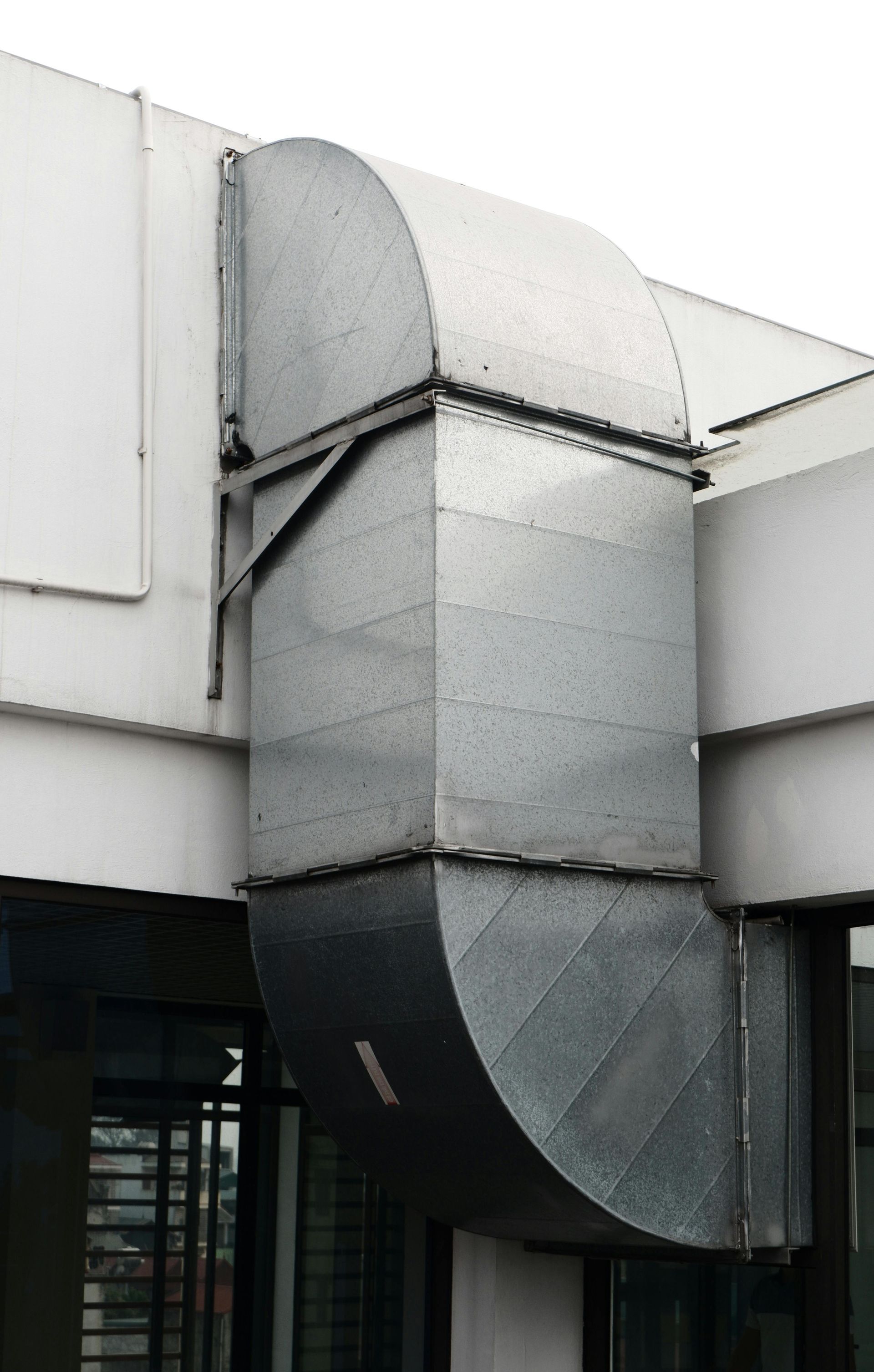
What are the top risks of not cleaning a kitchen extract system? Fire Hazards Grease and debris in ducts and extract systems are highly flammable. Build-up over time can ignite and cause commercial kitchen fires, leading to property damage, injuries, and business disruption. Regular cleaning removes grease and reduces the risk of fire. Regulatory Non-Compliance UK businesses must comply with TR19® ventilation standards, fire safety laws, and health and safety regulations. Failure to maintain systems can result in: Fines or enforcement actions Rejected insurance claims Legal liability during incidents Using VHR, BESA, or SafeContractor-accredited contractors ensures documented compliance and adherence to industry standards. Poor Indoor Air Quality Dirty ventilation spreads dust, allergens, grease particles, and bacteria, negatively affecting employees and customers. Consequences include: Increased respiratory issues Reduced workplace productivity Uncomfortable or unhealthy environments Routine ventilation hygiene improves indoor air quality and creates safer spaces. Health and Safety Risks Neglected systems can expose staff and visitors to respiratory illnesses, allergies, and other health hazards. Maintaining clean ducts, fans, and extract systems helps prevent illness and reduces employee sick days. Equipment Inefficiency and Damage Grease and debris can clog fans, motors, and ductwork, leading to: Higher energy consumption Premature wear or system failure Increased repair and replacement costs Regular cleaning extends the life of ventilation systems and lowers operational costs.
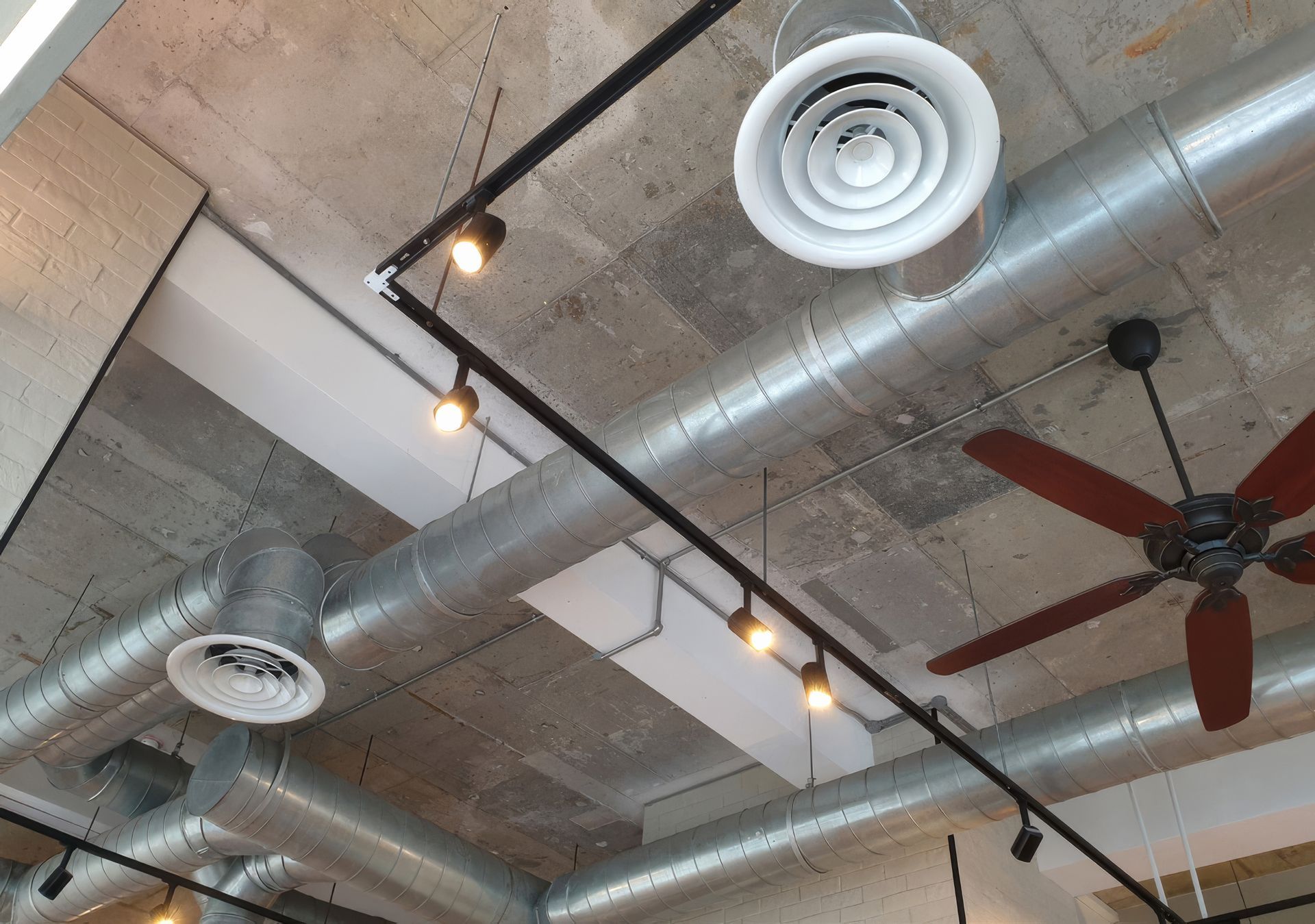
Why regular vent hygiene is critical for businesses Reduce Fire Risk Grease, dust, and debris can accumulate in kitchen extract systems and ductwork, creating a high fire risk. In commercial kitchens, ventilation-related fires are a leading cause of property damage. Regular cleaning removes these hazards, protecting both staff and premises. Ensure Regulatory Compliance Businesses in the UK must comply with TR19® standards, fire safety regulations, and health and safety legislation. Failure to maintain ventilation systems can result in fines, legal action, or rejected insurance claims. Using VHR or BESA-accredited contractors ensures work is completed to industry standards and documented for compliance purposes. Improve Indoor Air Quality Dirty ventilation systems circulate dust, allergens, and bacteria, negatively impacting employee health and customer comfort. Routine cleaning reduces respiratory issues, minimises sick days, and creates a healthier indoor environment for offices, restaurants, and other commercial spaces. Reduce Operational Costs Regular maintenance improves system efficiency, reducing energy consumption and lowering the risk of equipment failure. Clean ventilation systems operate more efficiently and last longer, saving businesses money over time. Work with Accredited Contractors Partnering with accredited contractors ensures that ventilation hygiene work meets recognised industry standards. VHR, SafeContractor, or BESA-accredited providers offer professional, reliable service with documented audits for compliance and insurance purposes. Hey Service Group provides certified ventilation hygiene services across the UK, delivering safety, efficiency, and peace of mind. Conclusion Regular ventilation hygiene is vital for businesses to maintain safety, compliance, and operational efficiency. By partnering with an accredited provider like Hey Service Group, companies can protect staff, customers, and property while ensuring their ventilation systems are professionally maintained and fully compliant with industry standards.
What do our accreditations and what do they mean? VHR: Vent Hygiene Register The Vent Hygiene Register (VHR) is the UK’s leading accreditation scheme for companies specialising in ventilation and ductwork cleaning. Managed by the Building Engineering Services Association, it sets the standard for compliance, safety, and quality across the ventilation hygiene industry. VHR ensures that contractors follow the industry-recognised TR19® guidelines , which define how ventilation systems—especially kitchen extract systems—should be cleaned and maintained. This is essential because poorly maintained ventilation systems can lead to: Increased fire risk due to grease build-up Reduced air quality and hygiene standards Failure to meet legal and insurance requirements VHR-accredited companies are independently audited, meaning their work is regularly checked to ensure it meets strict technical and safety standards. SafeContractor Approved SafeContractor Approved is a widely recognised UK accreditation that demonstrates a company’s commitment to health and safety compliance. It is operated by Alcumus, a leading provider of risk management and compliance solutions. The SafeContractor scheme assesses businesses against strict health and safety criteria, ensuring they meet current legislation and industry best practices. To achieve SafeContractor approval, companies must undergo a detailed audit of their: Health and safety policies Risk assessments and procedures Training and competency records Accident and incident management processes This ensures that accredited companies are operating responsibly and safely across all areas of their work. BESA: Building Hygiene Services Association The Building Engineering Services Association (BESA) is the UK’s leading trade body and membership organisation for companies that design, install, commission, maintain and manage engineering systems in buildings — including heating, ventilation, air conditioning, refrigeration and related services. It has been setting industry standards and supporting excellence for over 120 years. BESA exists to raise technical standards, provide industry guidance, support training and competence, and advocate for its members on regulatory and policy issues. It also develops and administers a range of accreditations, training programmes, registers and certification schemes that help businesses demonstrate competence, compliance and professional capability. For Hey Service Group, association with BESA — whether through membership, standards compliance or accredited schemes — delivers several meaningful benefits: 1. Demonstrates Verified Competence and Quality Being aligned with BESA standards and audits shows clients that Hey Service Group meets independently verified competence requirements, including safety, technical ability, and operational excellence. 2. Supports Compliance with Regulation and Best Practice BESA frameworks — from technical standards like TR19® to audit schemes — help ensure that services are carried out in line with current industry requirements and regulatory expectations. 3. Access to Industry Resources and Development As part of the wider BESA community, Hey Service Group gains access to ongoing guidance, training opportunities, networking events and industry insights that support continuous improvement. European Ventilation Hygiene Association (EVHA) The European Ventilation Hygiene Association (EVHA) is a professional industry association that brings together companies, experts and organisations across Europe focused on ventilation hygiene, ductwork cleaning, inspection and certification. EVHA’s mission is to raise standards, promote cleaner indoor air and support consistent, high‑quality hygiene practices throughout the ventilation and HVAC industry across European countries. EVHA promotes: European‑wide standards and best practices for ventilation hygiene Training and certification programmes for specialists Knowledge sharing, research and networking among professionals Advocacy for improved legislation and safer indoor environments Membership in EVHA signals a commitment to excellence and professionalism in ventilation hygiene that goes beyond national requirements alone. Avetta Avetta is a global supply chain risk management and contractor prequalification platform that helps organisations verify the safety, compliance, and capability of their contractors and suppliers. Rather than being a traditional UK safety accreditation like SSIP schemes, Avetta provides a verified compliance ecosystem that connects service providers with large corporate and multinational clients by demonstrating real‑world readiness and risk management performance. Avetta’s system collects, verifies and monitors critical business and safety information — including health & safety policies, risk assessments and method statements (RAMS), training and competence records, insurance documentation and broader compliance data — to show that a contractor can meet client‑specific requirements for risk, safety and sustainability.
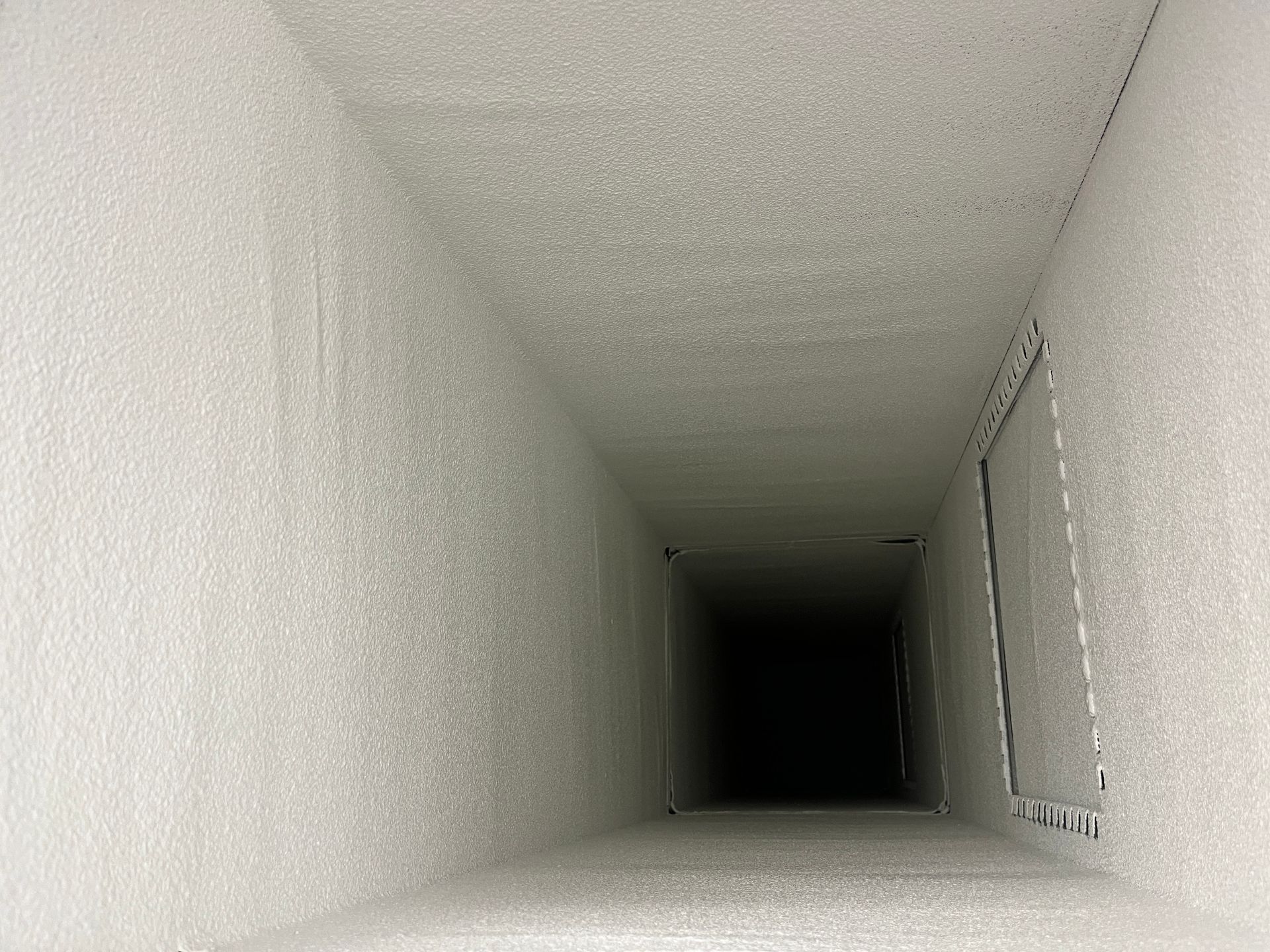
How would the RZ-Clean-Seal solution reduce my costs? How RZ-Clean-Seal Can Cut Kitchen Extract Cleaning Costs by Up to 50% For commercial kitchens across the UK, maintaining a clean and compliant extract system is essential—not just for hygiene, but for fire safety and legal compliance. However, regular cleaning can become a significant ongoing expense for businesses. This is where RZ-Clean-Seal offers a smarter, more cost-effective solution. What Is RZ-Clean-Seal and How Does It Work? RZ-Clean-Seal is an advanced protective coating (RZ-Ecoseal) applied to kitchen extract systems. It prevents grease and contaminants from sticking to surfaces, making future cleaning far easier, quicker, and less frequent. By reducing grease build-up, the system stays cleaner for longer—helping businesses maintain compliance while lowering operational costs. Reduce Cleaning Costs by Up to 50% One of the biggest advantages of RZ-Clean-Seal is the long-term cost saving. For example: A business spending £2,300 per year on kitchen extract cleaning would normally pay £11,500 over five years. With RZ-Clean-Seal applied, that cost could drop to approximately £7,579 . This results in a total saving of £3,920 over five years. For many restaurants, hotels, and commercial kitchens, this level of saving can have a significant impact on profitability. Less Frequent Cleaning, More Efficiency Without protective treatment, kitchen extract systems often require cleaning every 90 days to remain compliant. This frequent schedule increases costs and can disrupt business operations. With RZ-Clean-Seal: Cleaning intervals can extend to 180 days or even 365 days, depending on usage (this can vary across sites) Reduced cleaning frequency means less downtime Businesses can operate more efficiently with fewer interruptions This makes it an ideal solution for high-demand kitchens that cannot afford regular shutdowns. Improved Compliance and Fire Safety Grease build-up in extraction systems is one of the leading causes of kitchen fires. By minimising this build-up, RZ-Clean-Seal significantly enhances safety. Key benefits include: Up to 55% reduction in overall fire risk Staying compliant with UK fire safety and hygiene regulations Lower likelihood of emergency maintenance or system failure This not only protects your premises but also helps avoid costly fines or insurance issues. Keep Your Business Running Longer Frequent cleaning often requires partial or full kitchen shutdowns. By reducing how often cleaning is needed, RZ-Clean-Seal helps businesses: Stay open for longer periods Avoid unnecessary disruption Maintain consistent service for customers For busy commercial kitchens, this added uptime can translate directly into increased revenue. Why Choose RZ-Clean-Seal for Your Kitchen Extract System? RZ-Clean-Seal is more than just a cleaning solution—it’s a long-term investment in efficiency, safety, and cost reduction. Key Advantages: Up to 50% reduction in cleaning costs Up to 55% reduction in fire risk Significantly reduced cleaning frequency Improved compliance with UK regulations Increased operational uptime For any business operating a commercial kitchen, managing cleaning costs while staying compliant is a constant challenge. RZ-Clean-Seal provides a proven way to reduce expenses, improve safety, and streamline maintenance. If you’re looking to cut costs and improve efficiency, this solution could make a measurable difference over time.

Where can you follow us for updates? Connect with Hey Service Group Across Social Media At Hey Service Group, we believe in sharing our journey and expertise with the world. That’s why we’re active across all major social media platforms, including LinkedIn, YouTube, TikTok, and Facebook. These channels allow us to reach a wider audience, showcase our latest projects, and highlight the positive impact of our services on every site we work on. Through our posts, you’ll get an inside look at how we make buildings safer while also enhancing their presentation. From improving interiors to revitalising exteriors, our work is designed to impress customers and create safe, welcoming spaces for everyone. Case Studies and Video Updates We’re committed to transparency and sharing our successes. Throughout 2026, we’ll be releasing new video case studies that illustrate the breadth of our services and the quality of work we provide for our clients. These case studies will highlight real-world examples of how we’re improving safety standards and elevating the overall appearance of buildings across multiple sectors. Whether you’re a business owner, facilities manager, or simply interested in property maintenance, our social media channels are the perfect way to stay informed and inspired by our ongoing projects. Follow us today on LinkedIn, YouTube, TikTok, and Facebook to see our latest updates, behind-the-scenes insights, and expert tips for maintaining safer, more visually appealing properties. We’re excited to share the results of our work with you and demonstrate how Hey Service Group continues to set the standard for professional site management and building enhancement.

Why Choose Hey Service Group As Your Main Service Supplier? Choosing a main service supplier is one of the most important decisions your business can make. From maintaining compliance to safeguarding operations and protecting people, the right partner adds real value. That’s where Hey Service Group comes in — a trusted UK specialist service provider with decades of proven expertise. Trusted Expertise with Real Industry Experience Hey Service Group brings over 50 years of combined industry experience to the table. Their team of trained professionals delivers specialist services across the UK, including kitchen extract cleaning, ventilation and duct system maintenance, fire damper testing, and high‑level cleaning — all designed to keep your operations safe, compliant, and efficient. This level of experience means fewer surprises, faster problem resolution, and greater confidence that your facilities are maintained by experts who truly understand commercial compliance and risk management. Comprehensive, One‑Stop Service Offering A major advantage of partnering with Hey Service Group is the ability to consolidate multiple service needs with one supplier. Their nationwide services include: Commercial kitchen extract and canopy cleaning Fire damper testing and remedial work Ventilation and HVAC system cleaning High‑level and specialist building cleaning Water tank cleaning and legionella prevention Floor and hard surface care Specialist sealing and compliance services This all‑in‑one approach streamlines vendor management, reduces administrative overhead, and delivers consistent quality across all your sites. Commitment to Compliance and Safety Compliance isn’t optional — it’s essential. Hey Service Group specialises in services that help businesses meet strict UK fire, safety, and hygiene regulations. Their kitchen extract cleaning is TR19 compliant and planned to minimise fire risk, while fire damper testing ensures critical fire‑protection systems operate correctly. Choosing a supplier who puts compliance first protects your staff, customers, and brand reputation — and helps demonstrate due diligence to insurers and auditors. Nationwide Coverage and Rapid Response With strategic hubs across the UK — including Wakefield (HQ), Stevenage, and Ayr — Hey Service Group offers broad geographic reach and fast response times. Their nationwide presence means you get consistent service standards no matter where your business operates. Whether you manage a single site or a multi‑location portfolio, this coverage provides flexibility and reliability. Trained Professionals with Industry Accreditations Hey Service Group doesn’t just claim quality — they invest in it. Their teams undergo rigorous training at a dedicated facility and are supported by membership in the Building Engineering Services Association (BESA), reflecting commitment to industry best practices, compliance, and ongoing professional development. This level of training ensures that your supplier has the skills, knowledge, and up‑to‑date expertise needed to meet evolving regulatory and safety requirements. Client‑Centred Culture and Tailored Solutions What sets Hey Service Group apart is their people‑first ethos. This includes a focus on understanding your unique needs, tailoring services accordingly, and maintaining open communication throughout the project lifecycle. A strong, values‑driven culture means you’re not just another contract — you’re a partner whose success matters. Sustainable Vision and Future‑Focused Growth Hey Service Group isn’t resting on past achievements. The company is working towards carbon neutrality by 2030 and expanding internationally through franchising opportunities, showcasing both sustainability leadership and ambitious growth. This forward‑thinking mindset benefits clients who are themselves prioritising environmental performance and long‑term resilience. Final Thoughts Choosing Hey Service Group as your main service supplier gives you: Proven industry expertise and compliance focus A comprehensive suite of specialist services Nationwide coverage with responsive support Trained professionals backed by accreditation A partner committed to quality, safety, and sustainability In a competitive landscape where reliability matters, Hey Service Group stands out as a dependable, expert, and growth‑oriented partner for businesses across the UK.
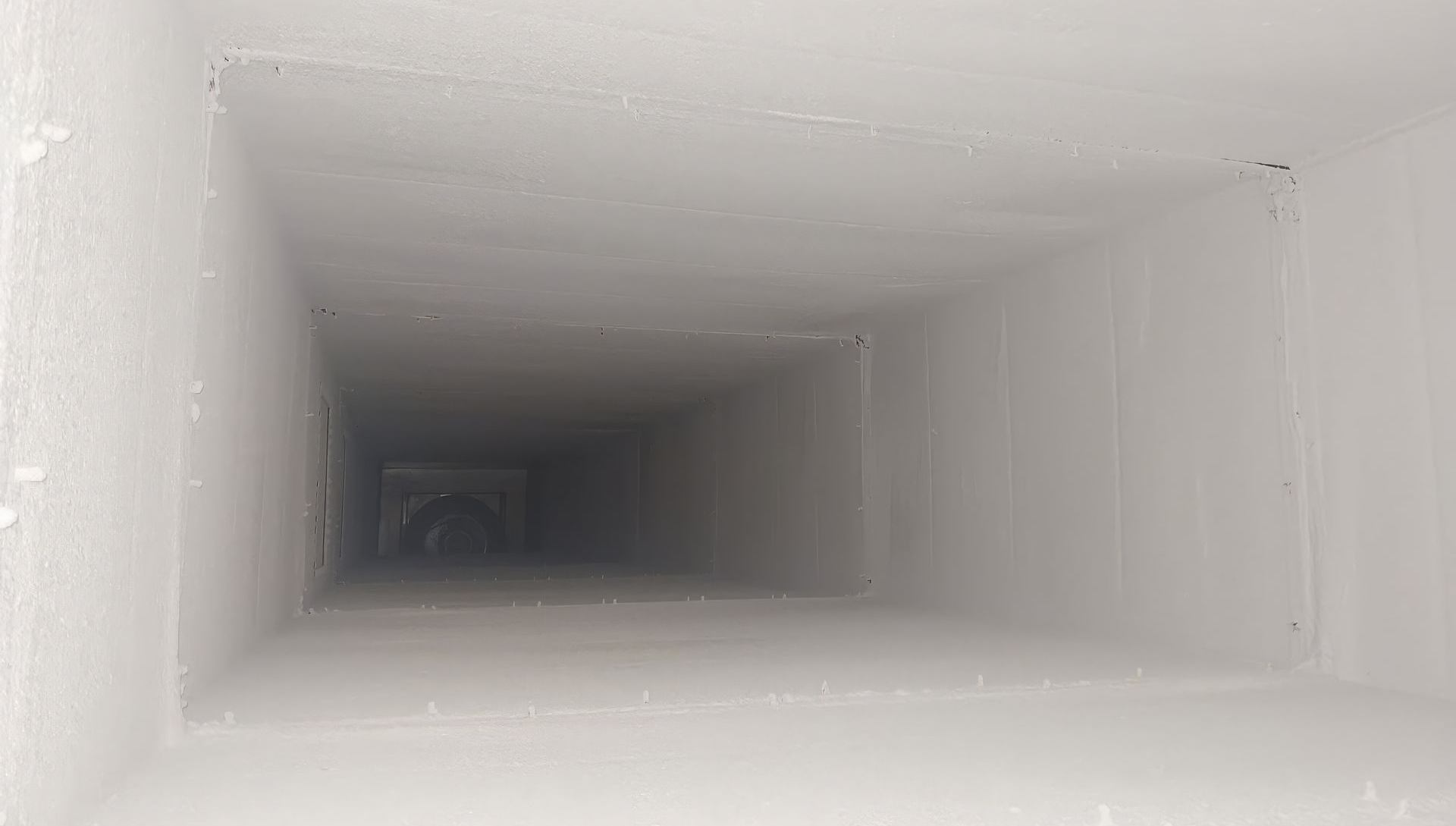
Why is sealing with RZ-Ecoseal The Future of Extraction Systems? Sealing a kitchen extract system from the very start, before its first use, is a highly effective method to prevent grease accumulation and minimise future maintenance problems. By applying this proactive approach, restaurant operators can ensure cleaner, safer, and more efficient ventilation systems. Increasingly, restaurant chains are implementing the RZ-Clean-Seal solution across their estates as a trusted preventative programme. Early sealing not only reduces the risk of fire hazards but also extends the lifespan of extract systems, lowers cleaning costs, and maintains optimal hygiene standards in commercial kitchens. Prevents initial grease buildup Reduces long-term maintenance requirements Enhances site safety and hygiene Supports consistent compliance with food safety regulations Adopting a preventative seal from day one is becoming the preferred choice for forward-thinking restaurant chains looking to protect their kitchens and streamline maintenance schedules. Sealing kitchen extract systems from the outset ensures that ductwork remains free from obstructions caused by grease and debris. Clean ducts maintain optimal airflow, improving ventilation efficiency and reducing strain on fans and motors. This energy-efficient approach can lead to lower utility costs and quieter operation, while supporting a comfortable and safe working environment for kitchen staff. Commercial kitchens are subject to strict health, safety, and fire regulations. By implementing early sealing solutions, operators demonstrate proactive compliance with local food safety standards and fire safety codes. This reduces the likelihood of costly fines, audit failures, or forced downtime due to emergency cleanings or inspections. Investing in a preventative sealing programme delivers measurable financial benefits. Fewer deep cleans, reduced risk of system failures, and extended equipment lifespan translate into significant long-term savings. Operators also benefit from minimised disruption to kitchen operations, ensuring consistent service quality and customer satisfaction. Incorporating the RZ-Clean-Seal solution from day one positions restaurants as leaders in kitchen hygiene and safety. By preventing grease accumulation before it begins, operators create a cleaner, safer, and more efficient kitchen environment—enhancing operational performance and peace of mind.
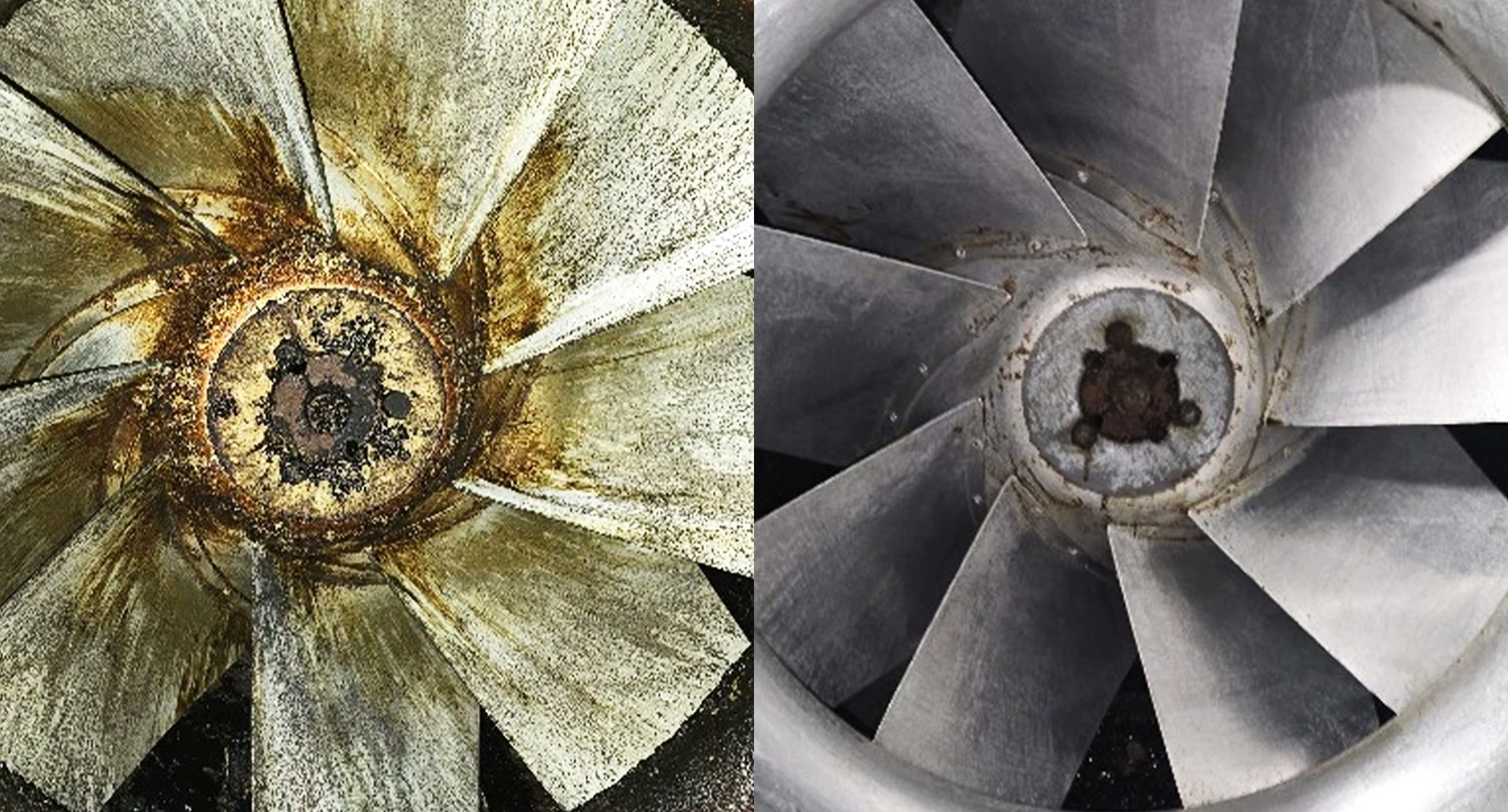
Why Is It Important To Clean A Fan Inside A Ductwork System? Proper kitchen ventilation maintenance is essential for a clean and safe restaurant environment. If an extraction fan fails, it reduces the system’s ability to remove grease, smoke, and airborne particles from the kitchen. This can cause unpleasant cooking odours to spread into the dining area, negatively affecting the customer experience. Regular system checks and fan maintenance ensure efficient airflow, prevent odour issues, and maintain a hygienic kitchen. When a system becomes clogged with grease it becomes hazardous. Therefore you must ensure cleans are regularly conducted to keep a fan clean and operating efficiently. When a fan has become clogged with grease and carbon it has to work 30% harder than if the fan is clean, that means its in your interest to keep a system completely clean. Regular cleaning not only improves performance but also helps prevent general mechanical failures. Over time, grease and dust can harden and accumulate on critical components like fan motors, causing them to work harder, overheat, or even fail completely. By keeping your system thoroughly clean, you ensure smooth operation, extend the lifespan of your equipment, and reduce the risk of costly repairs. Maintaining a clean environment is especially important for HVAC systems, industrial machinery, and other mechanical devices where buildup can compromise efficiency and safety. Prevents mechanical failure – Regular cleaning stops grease, dust, and debris from building up on motors and other moving parts, reducing the risk of breakdowns. Improves system efficiency – A clean fan motor and components allow the system to run smoothly, consuming less energy and performing optimally. Extends equipment lifespan – Removing accumulated grime and hardened grease protects machinery from premature wear and tear. Reduces repair costs – Preventative cleaning minimises the need for expensive repairs or part replacements caused by neglect. Maintains safe operation – Dirt and grease buildup can lead to overheating or malfunctions, creating potential safety hazards. Supports better airflow – In HVAC and ventilation systems, clean fans and ducts improve air circulation and overall system performance. Enhances reliability – Routine maintenance ensures systems operate consistently without unexpected downtime. Fan motors and other mechanical components are prone to failure when grease, dust, and debris accumulate over time. Hardened grease can cause moving parts to stick, increasing friction and putting extra strain on the motor. This not only reduces efficiency but also leads to overheating and premature wear. Many common breakdowns in HVAC systems, industrial machinery, and ventilation equipment can be traced back to insufficient cleaning and maintenance.
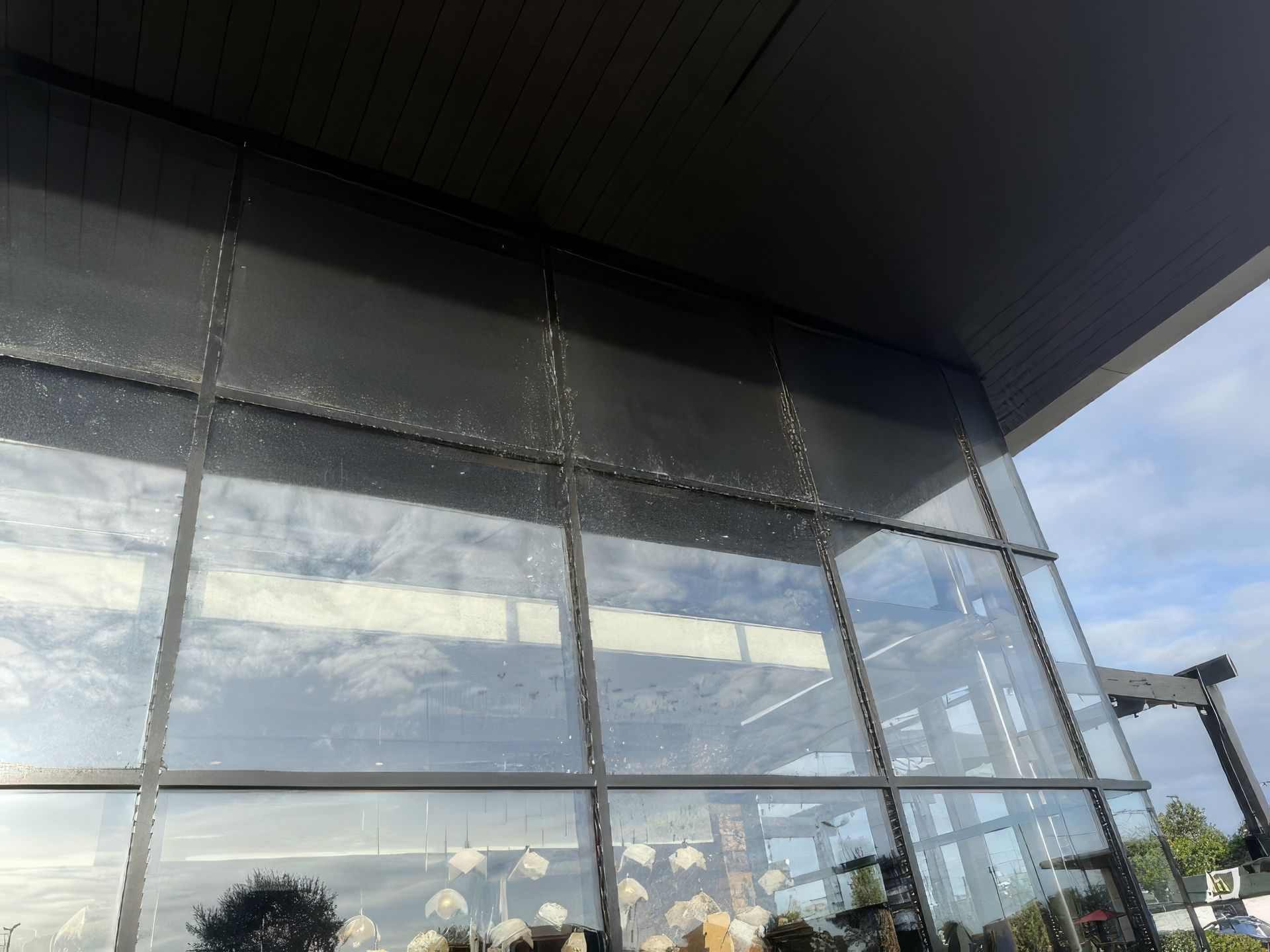
Why Is An External Clean Important? Why External Cleaning Matters for Restaurants and Cafés The outward appearance of your building plays a crucial role in attracting new customers. Before anyone reads your menu or steps through the door, they judge your business based on what they see from the street. In busy shopping areas and high-footfall locations, your exterior acts as your first advertisement. If the outside of a restaurant, café, or bar looks dirty or poorly maintained, potential customers often assume the same standards apply inside. Smudged windows, stained flooring, or grime-covered awnings can quickly create the impression of poor hygiene — which is the last thing any food business wants to communicate. Regular external cleaning helps maintain a professional image, protects your building materials, and makes your premises more welcoming to customers walking past. What Does External Cleaning Consist Of? Professional external cleaning services cover several key areas of your building’s exterior to ensure everything looks fresh, hygienic, and inviting. Window Cleaning Clean windows make an immediate difference to how your business looks from the outside. Professional window cleaning removes dirt, streaks, grease, and pollution build-up from glass surfaces, allowing natural light to enter your premises and ensuring customers can clearly see inside. Regular window cleaning also helps maintain the lifespan of your glass and window frames by removing contaminants that can cause long-term damage. Jumbrella Cleaning Outdoor dining areas often use jumbrellas (large commercial umbrellas) to provide shade for customers. Over time these collect dust, pollution, bird droppings, and weather stains. Specialist cleaning removes this build-up safely without damaging the fabric, restoring the umbrella’s colour and keeping your outdoor seating area looking professional and hygienic. Awning Cleaning Restaurant and café awnings are constantly exposed to the elements. Rain, pollution, algae, and general dirt can quickly make them look worn and neglected. Professional awning cleaning removes stains and organic growth while protecting the material, helping maintain the branding and appearance of your business frontage. Stone and Tile Flooring Cleaning Outdoor stone and tile surfaces are particularly prone to dirt build-up, grease stains, moss, and algae — especially in busy restaurant environments where food and drinks are frequently served outside. Deep cleaning removes embedded grime and restores the original appearance of the flooring while improving safety by reducing slippery surfaces caused by algae or grease. Why Regular Outdoor Cleaning Is Important When an outdoor area hasn’t been professionally cleaned for a long time, it becomes obvious very quickly. Dirt, pollution, and grime accumulate across every surface — windows become dull, flooring darkens, and outdoor furniture begins to look neglected. Routine external cleaning: Improves your restaurant’s street appeal Creates a positive first impression for new customers Helps maintain hygiene standards Protects exterior materials from long-term damage Makes outdoor dining spaces more attractive and comfortable In competitive hospitality locations, maintaining a clean and well-presented exterior can make the difference between someone walking past your restaurant — or walking in.
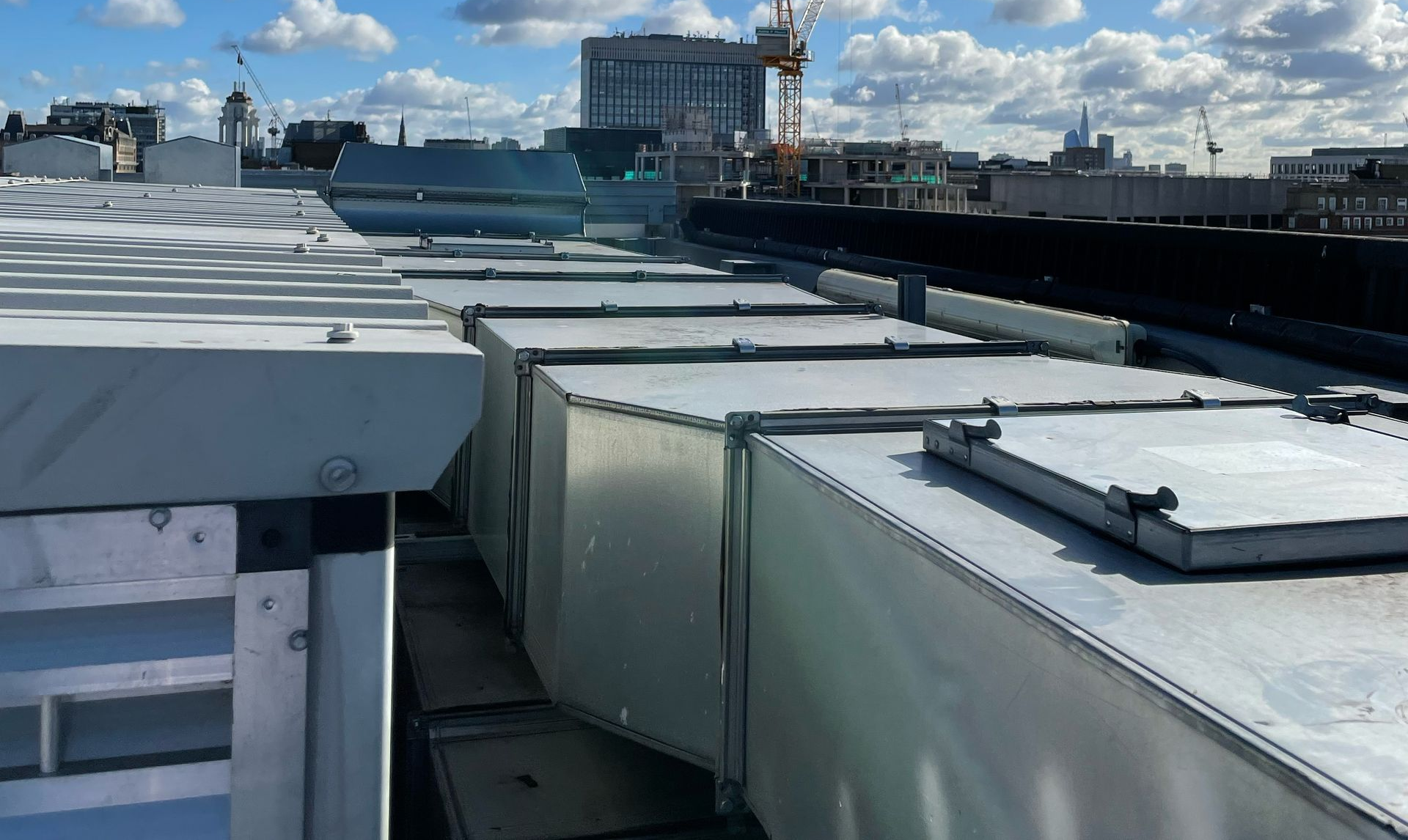
What Are The Costs Of Neglecting Your Systems? The risk of a fire spreading in a commercial kitchen is too great to ignore—especially when it is entirely preventable with proper maintenance. A single neglected extraction or ventilation system can lead to a fire that causes major property damage, serious injury, or even loss of life. This potential for catastrophic loss represents the biggest cost of neglecting your kitchen extract and fire safety systems, far outweighing any short-term savings from skipping regular servicing. Failing to maintain your commercial kitchen extract systems or fire dampers isn’t just risky—it’s also illegal under UK regulations. Standards such as TR19 for kitchen extract cleaning and fire safety legislation require regular inspections, cleaning, and maintenance. Ignoring these requirements can result in: Fines and enforcement notices from local councils or the fire service Business closure until compliance is restored, leading to lost revenue Insurance complications, including denied claims if a fire occurs and maintenance records are missing For restaurants, hotels, and multi-site operators, the financial impact of non-compliance can easily reach thousands of pounds per incident. By keeping your systems up to date and documented, you not only reduce fire risk but also protect your business from costly legal and insurance issues. Operational and Financial Losses Neglecting your kitchen extract and ventilation systems can also have a direct impact on daily operations and your bottom line. Blocked or poorly maintained ducts reduce airflow, causing ventilation systems to work harder, which increases energy consumption and utility costs. In addition, a neglected system is more likely to suffer unexpected breakdowns, leading to: Costly emergency repairs Kitchen downtime, delaying service and affecting revenue Disruption to staff workflow and efficiency For multi-site operations, these operational setbacks can compound across multiple locations, resulting in significant cumulative costs. Regular servicing not only prevents these issues but also ensures efficient, reliable performance, helping your business save money while staying compliant. Reputation and Customer Trust Neglecting your commercial kitchen ventilation and fire safety systems can have a serious impact on your business reputation. Customers, clients, and health inspectors notice poorly maintained kitchens, which can lead to: Negative online reviews affecting future bookings or sales Failed hygiene inspections, potentially resulting in public notices Loss of trust from clients, partners, and staff For multi-site operators and hospitality chains, even one failing location can damage the reputation of the entire business. By maintaining clean, compliant systems, you demonstrate professionalism, protect your brand image, and show a commitment to safety and quality—something both customers and regulators value highly. Health and Safety Risks Beyond fire and operational concerns, neglecting your kitchen extract and ventilation systems creates serious health and safety hazards for both staff and customers. Poorly maintained systems can lead to: Airborne grease, smoke, and bacteria, reducing air quality and increasing respiratory risks Slips, trips, and fire-related injuries due to grease build-up and blocked ducts Higher risk of workplace accidents, potentially resulting in injury claims or compensation costs Maintaining clean, compliant systems not only protects lives but also ensures a safe working environment. This proactive approach helps businesses stay aligned with UK health and safety regulations, safeguarding staff wellbeing while avoiding costly incidents.
Expanding The Solution Globally And It's Impact On The Industry At HEY, we are seeing the direct impact of our unique RZ-Clean‑Seal solution as its rollout continues to accelerate across the United Kingdom. Designed specifically for the hospitality industry, RZ-Clean-Seal is a proven three-step system: Clean, Seal, and Maintain, delivering long-term protection and hygiene improvements for commercial kitchens and restaurant environments. The process begins with a deep professional clean to remove built-up grease, bacteria, and contaminants. Surfaces are then sealed using advanced protective technology that prevents future contamination and makes ongoing cleaning significantly easier. Finally, a structured maintenance programme ensures standards remain consistently high over time. This three-stage approach helps restaurants improve hygiene compliance, extend the lifespan of surfaces, and reduce long-term maintenance costs. As adoption grows, we are already witnessing more restaurants benefiting from the Clean-Seal-Maintain methodology, particularly in high-traffic commercial kitchens where hygiene and durability are essential. Operators report improved cleanliness standards, easier day-to-day maintenance, and a more resilient kitchen environment. Internationally, the solution continues to expand through our growing franchise network. HEY currently has franchise partners delivering RZ Clean-Seal across several key markets, including the Netherlands, Belgium, Luxembourg, France, Portugal, Australia, and New Zealand. This global rollout is enabling more hospitality businesses to access a specialist cleaning and surface protection system designed specifically for the demands of professional kitchens. With strong results already visible in the UK and internationally, we are excited to continue expanding the reach of RZ- Clean-Seal, helping restaurants and foodservice operators maintain cleaner, safer, and more efficient kitchen environments.

We are giving back to the local community. Wakefield College Students Visit Our Office to Collaborate on Digital Design & Web Development Projects We were thrilled to welcome students from Wakefield College as part of our ongoing commitment to supporting the local community and investing in the future of young talent. By nurturing creative and technical skills, we aim to empower the next generation of digital designers and web developers who will shape Wakefield’s future and have a positive impact on the wider industry. The visit focused on the Year 2 final client project for the Digital Design & Web Development Course , giving us the opportunity to meet all the students and witness their enthusiasm and dedication firsthand. We were impressed by their engagement, insightful questions, and eagerness to contribute to real-world projects. During their visit, we discussed our future plans and upcoming digital initiatives. As part of their project brief, the students will develop a new platform, providing them with hands-on experience and the opportunity to make a meaningful contribution to our business. This collaboration not only benefits the students’ learning journey but also encourages innovative solutions that can positively impact the industry. Supporting local talent is central to our mission, and we are confident that these students will make a significant impact as they move forward in their careers. By investing in young creators today, we help shape a stronger, more innovative future for both Wakefield and the broader digital sector.
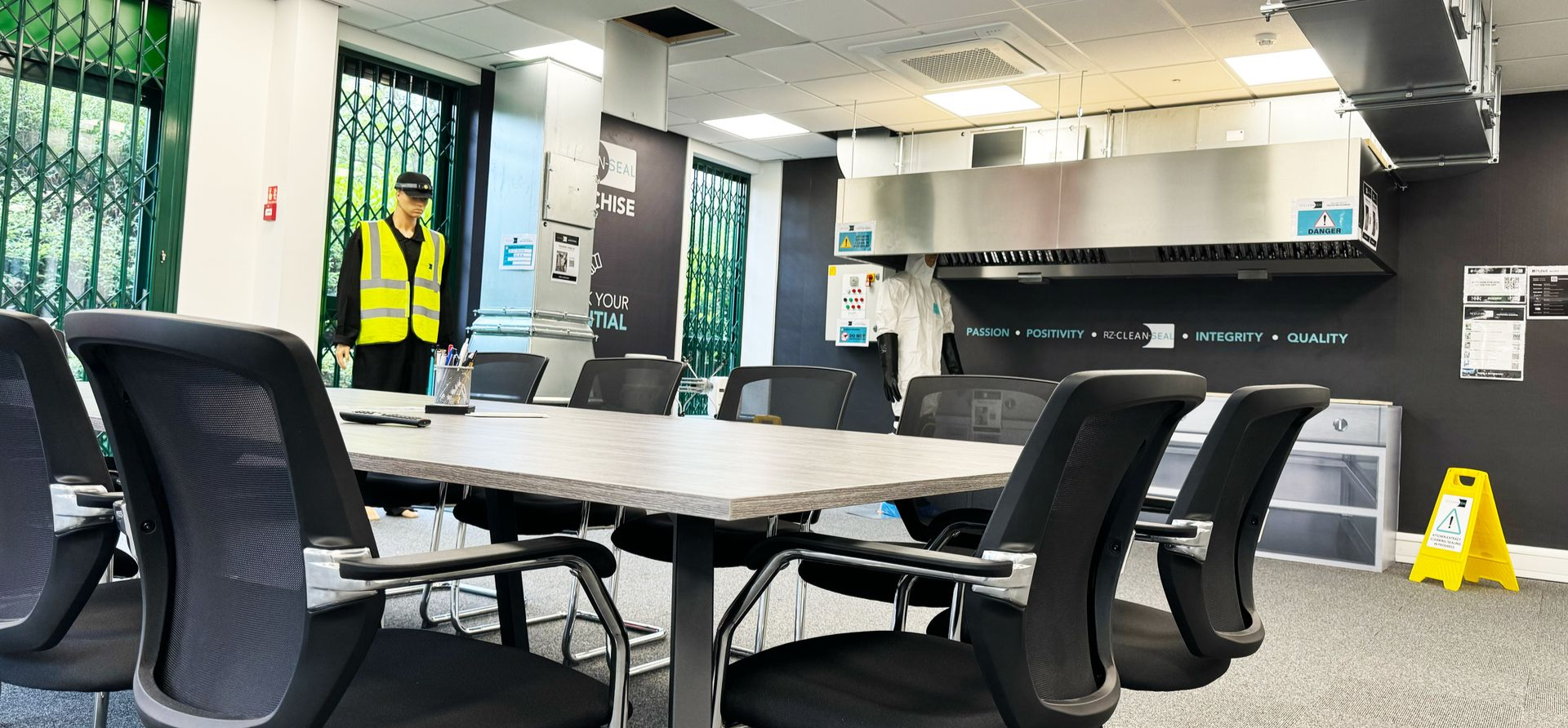
What makes our training centre important? At HEY, our training facility is the cornerstone of everything we do. Every team member begins their journey here, gaining the knowledge, skills, and standards that define the high quality of our services. From this central hub, our technicians develop the expertise to deliver exceptional service that consistently exceeds customer expectations. Comprehensive Training Program Our structured training program covers: BESA TR19 Training – Industry-standard practices for safe and efficient work Health & Safety Training – Ensuring a safe working environment for all Foam Box Setup and Operation – Proper handling and use of equipment Site Attendance Procedures – Efficient and professional on-site operations Practical Hands-On Training – Real-world application of techniques Sealing Technique – Mastery of advanced sealing methods General Operational Guidance – Best practices for everyday tasks Our Mission Every training session is guided by a single goal: to provide our clients with the highest quality service. With innovations like the RZ-Clean-Seal solution, our technicians learn the complete process of cleaning and applying RZ-Ecoseal, staying ahead in expertise and service excellence. Ongoing Development and Continuous Learning At HEY, training doesn’t stop once a technician completes the initial program. We believe in continuous professional development, ensuring our team stays up-to-date with the latest industry standards, techniques, and innovations. Regular refresher courses and advanced workshops help our staff refine their skills and maintain the highest level of service quality. Cutting-Edge Techniques and Equipment Our training facility is equipped with state-of-the-art tools and technology, allowing our technicians to practice and perfect every procedure in a controlled environment. From precision sealing techniques to the proper handling of RZ-Ecoseal, every aspect of the training is designed to ensure accuracy, efficiency, and safety on every site visit. Commitment to Customer Satisfaction Every step of our training program is aligned with one mission: delivering an exceptional client experience. By instilling best practices, technical expertise, and operational excellence in our team, we guarantee services that not only meet but consistently exceed customer expectations. Join the HEY Team We take pride in cultivating a workforce that is skilled, knowledgeable, and passionate about delivering top-tier service. By investing in our people and our training programs, we ensure that every project is completed with precision, professionalism, and a commitment to excellence.

What is TR19 Kitchen Extract Cleaning & Why Is It Required? TR19 is the UK standard set by BESA for protecting commercial kitchen extract systems. It requires that grease is removed thoroughly to prevent fire hazards. Hardened grease is highly flammable, and if a fire ignites it, the flames can spread rapidly, putting your kitchen and business at serious risk. How Often Should Systems Be Cleaned? This very much depends on the amount of cooking done on site as this has a direct impact on the level of grease that builds up over time. It can be every 3, 6 or 12 months depending on the severity levels of the grease that increases on the metal surface as time passes. The longer a system is left without a clean the more dangerous it becomes. Fire Damper Testing & Remedials - What Does The Law Say? It is specified in the 2005 Regulatory Reform Order that all fire safety equipment and devices must be kept to a good standard. It is incumbent upon all businesses and business owners to ensure they have an individual to handle the fire safety of the business. This selected person must liaise with an external company to test and if necessary perform maintenance works on fire dampers. The law is in place to protect lives and property. What Happens If You Fail A Fire Or Safety Inspection? It is a really serious matter if you are found to be operating outside of the legal parameters regarding fire and safety. It can range from legal action to imprisonment so you must ensure you are taking action to protect your sites and people. If there is a failure then you will more than likely receive a letter informing you of the problems and how they must be rectified. You will likely be given a set amount of time to rectify the issues before legal action is taken. Any failure to comply with the instructions you have been given is a criminal offence.
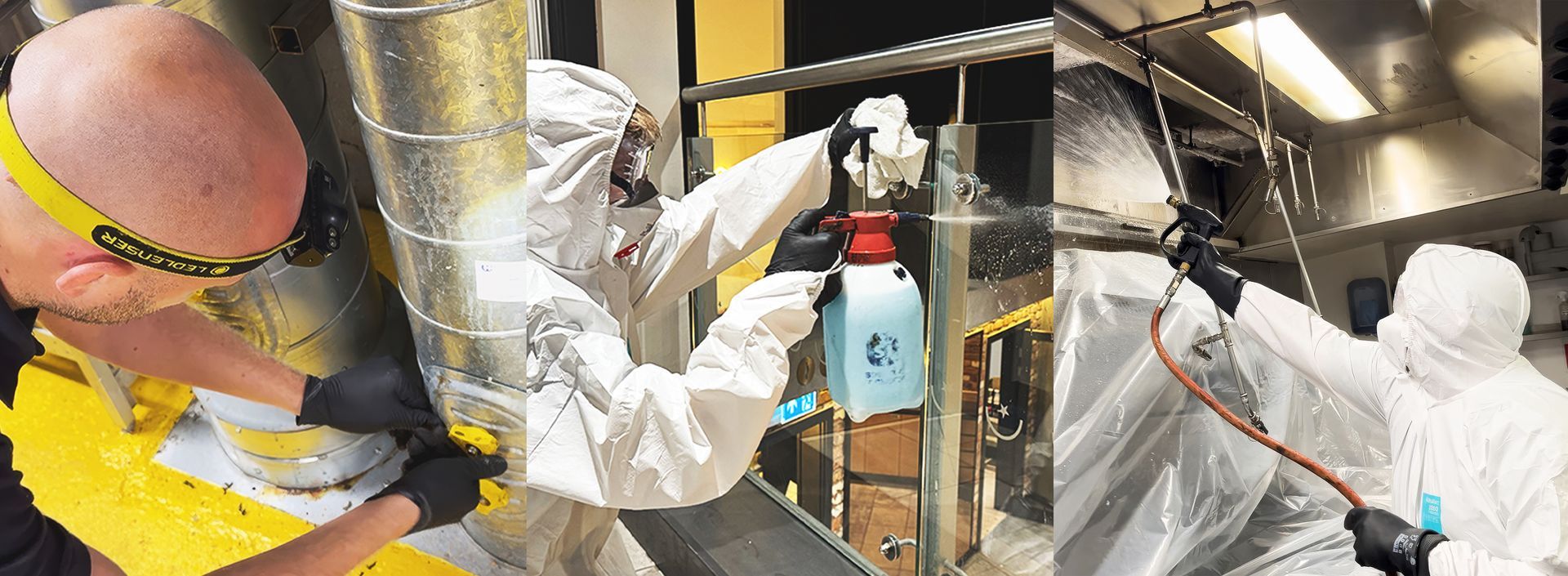
The Benefits of Using a Single Service Provider for Cleaning and Maintenance Choosing a single service provider for multiple cleaning and maintenance services offers significant financial, operational, and efficiency advantages. Instead of coordinating several contractors for different tasks, businesses can streamline their operations through one trusted partner who manages all services under a single agreement. This approach simplifies communication, improves service consistency, and often results in long-term cost savings . With fewer contractors involved, businesses spend less time managing relationships, scheduling work, and processing invoices. It also creates a more accountable service structure, where one provider takes responsibility for maintaining standards and delivering results. A multi-service provider can coordinate a wide range of specialist cleaning and maintenance tasks, ensuring work is completed efficiently and to consistent standards across all areas of a property or portfolio. Key Advantages of a Multi-Service Provider Single Point of Contact Clients benefit from dealing with one dedicated provider rather than multiple contractors. This simplifies communication, reduces confusion, and allows issues to be resolved quickly. Dedicated Account Management Each client contract is typically supported by a single account manager , providing continuity, accountability, and a clear understanding of the client’s needs, expectations, and service standards. Specialist Expertise Across Multiple Services Multi-service providers bring together expertise across different specialist areas such as cleaning, maintenance, compliance services, and asset care. This integrated knowledge ensures the right methods, equipment, and processes are used for every task. Consistency and Quality of Work Using one provider ensures consistent standards across all services. Teams follow the same procedures, quality controls, and safety protocols, resulting in reliable outcomes. Extended Asset Lifespan Regular and coordinated cleaning and maintenance help protect surfaces, equipment, and building assets. Over time, this proactive care can extend asset life and reduce costly repairs or replacements . Simplified Billing Instead of receiving multiple invoices from different contractors, clients benefit from one consolidated invoice , making financial administration easier and more transparent. Streamlined Scheduling and Planning With a single provider managing services, work can be coordinated more efficiently. Tasks can be scheduled together to minimise disruption and maximise productivity. Greater Oversight and Control A single provider allows clients to maintain clearer oversight of work being completed. Reporting, performance monitoring, and service adjustments become much easier when everything is managed through one organisation.
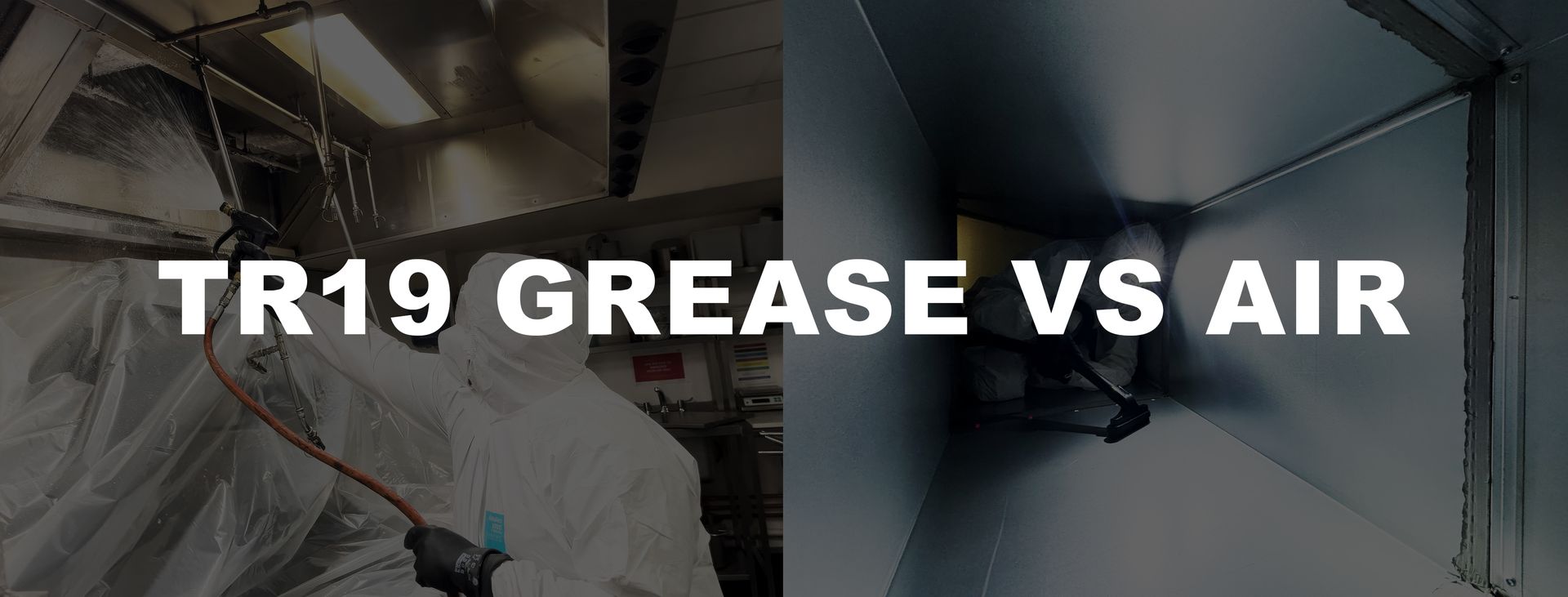
What's the difference between TR19 for Grease vs Air?
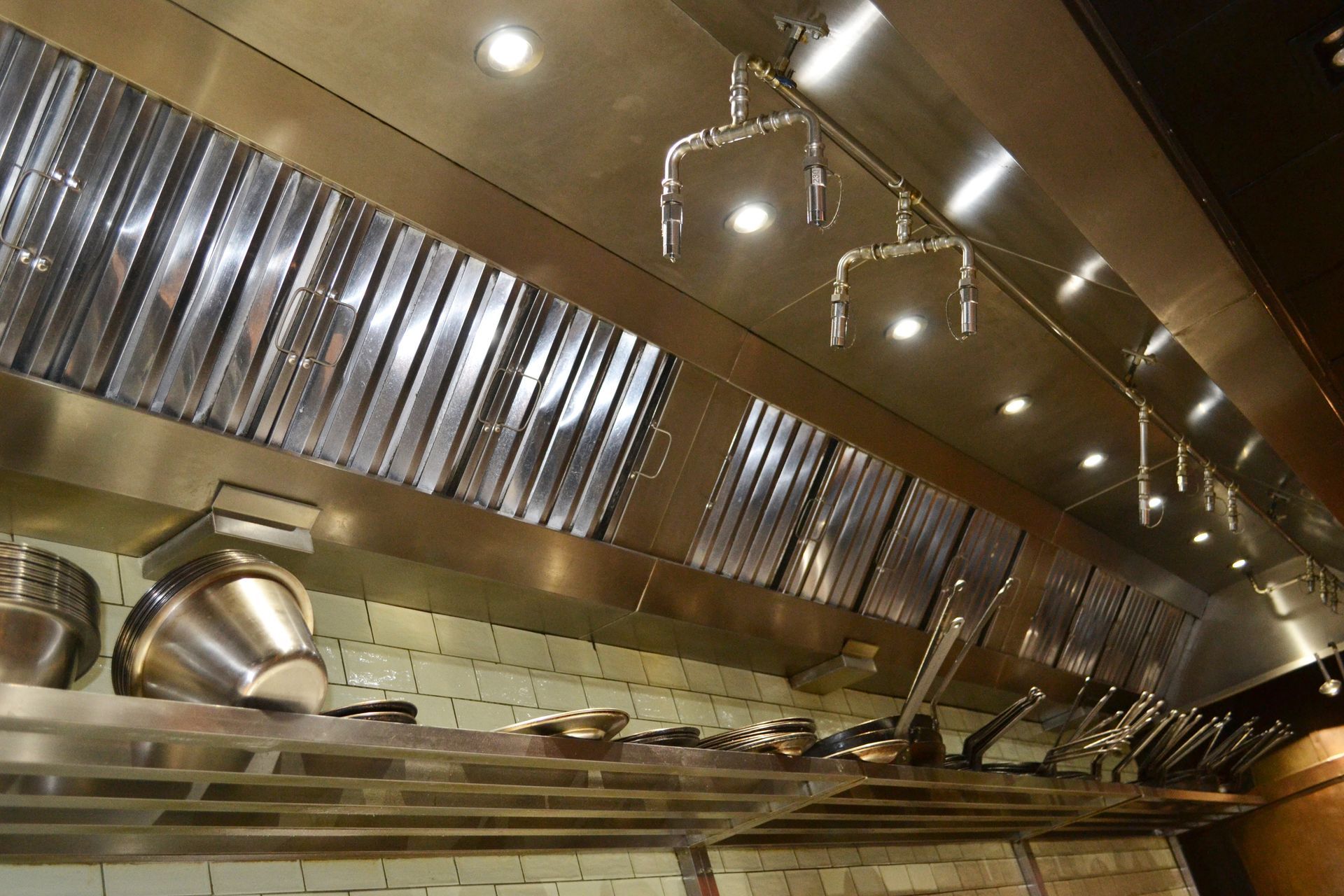
The law in the UK is clear. These systems must operate efficiently to protect lives and property. The following legislation applies to all extraction systems: Regulatory Reform (Fire Safety) Order 2005 Fire Safety Act 2021 Workplace Regulations 1992 Health and Safety at work Act 1974 TR19 guidelines from BESA It is your responsibility to know the law and to know your responsibilities as either the owner of a building or business. Inspections sometimes take place on site - these can be at random and sites can be fined if they are found to be outside the legal safety parameters that are required of them. If you are concerned then you should contact a professional who can inspect your site and instruct you in the necessary measures to keep your site compliant. It is recommended the an inspection takes place at least once every 12 months but bear in mind cleans should be regular depending on the level of cooking that takes place within a kitchen. You should assign your own member of staff to be responsible for the overall care of your ductwork/HVAC system, they should liaise with the external cleaning company to book in cleans, ensuring they comply with the legal requirements above. Visit www.heyservicegroup.co.uk/commercial-kitchen-extract-cleaning to find out more about our kitchen extract cleaning service.
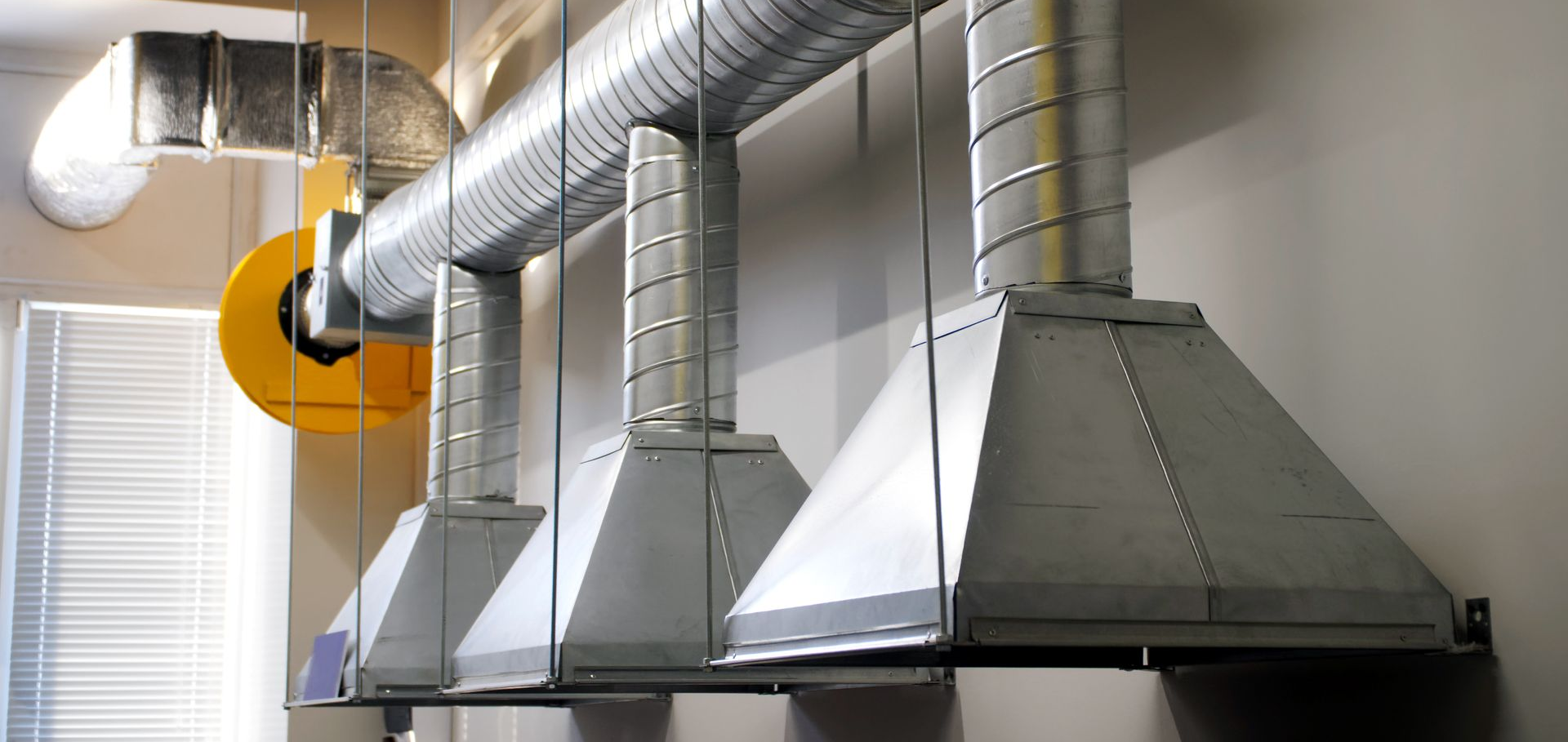
What exactly is an LEV? It's a system that draws contaminants and dust particles out of the air - keeping environments safe for staff and customers. They require a decent level of cleaning every 12 months to ensure optimum performance and keeping your site in line with legal requirements. LEV's are essential for a safe environment, thats why cleaning and maintaining their performance is crucial. It is recommended that cleaning is carried out on an LEV every 3 to 6 months, this ensures maximum compliance with regulations. Inspect your systems often. All results of testing and cleaning (reports) must be kept on record to show active compliance with the law. Failure to keep records of the cleaning/testing can affect insurance. Compliance is so important for the following reasons: Ensures you are following the law Prevents any fines from being handed out Protects both the building and people inside Checks first began back in 1974 when the "Health and Safety at work" act was enshrined into law to protect the wellbeing or staff and visitors, this has continued up to now. The regulations (COSHH - Control Of Substances Hazardous To Health) make clear that every building owner or employer must keep equipment working optimally and it must be kept in a safe/clean condition.
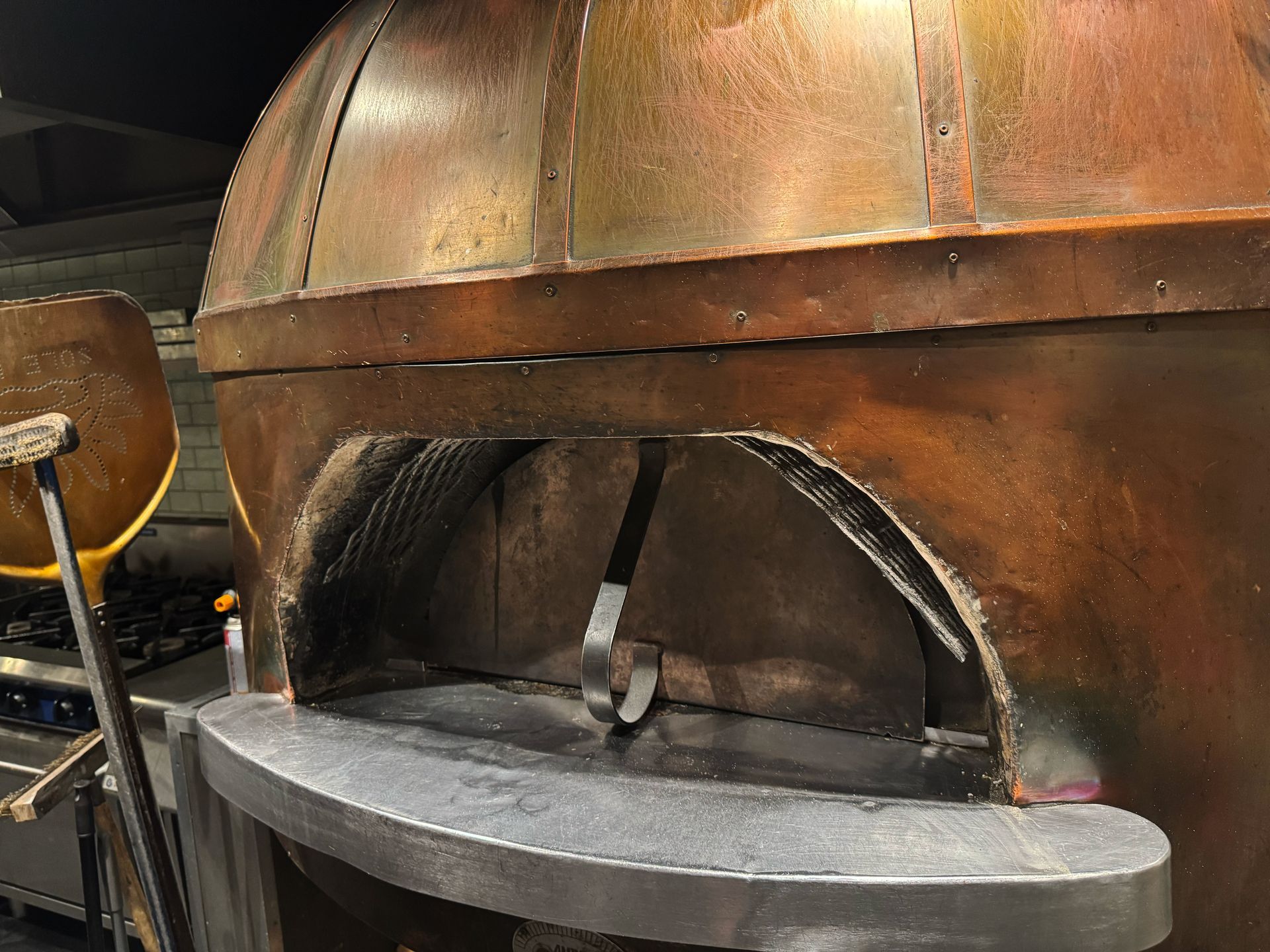
Frequent use of pizza ovens can lead to the accumulation of grease, soot, and debris over time. This buildup poses a serious fire risk, as smoke and residue can travel up the flue and stick to surfaces. Regular cleaning with specialist methods is essential to maintain a safe, hygienic, and compliant kitchen environment. These should be cleaned monthly to ensure optimum cleanliness and safety of the site - if left for too long it can become really dangerous and puts your site a risk. The ventilation above a pizza oven is really good for keeping the air inside clean but this creates a risk higher up and out of sight. Cleaning is also essential for maintaining optimum performance of system. Debris and ash caused by the cooking can impact how well cooked the pizza can be, therefore cleaning also ensures a well cooked and delicious pizza from your oven. Pizza flue cleaning is covered by BESA TR19® standards. It is designed to keep your site protected and ensure the system remains legally compliant with safety standards in the UK. It is set out in the guidelines how often cleaning should take place for pizza flues: Cleaning must take place every 4 - 6 weeks Pizza flues must be inspected as regularly as kitchen extract systems - this is because strict rules apply to site safety, if one part of the system is unsafe then it's all unsafe and must be dealt with as quickly as possible. It's also important for insurance purposes. If cleaning is not regular and documented then it can put insurance in jeopardy, meaning if anything happens and theres no evidence of regular cleaning there might not be a payout. We use a rotary brush to properly clean a system - it must be put back to at least 50 microns to show optimum safety of a system. The full length of the system is brushed to ensure every part is reached and all the required area is cleaned and compliant with the required standard. Every 6-monthly cleaning is not sufficient to keep a system safe. If a company only offers this as standard then legally it isn't at full compliance and any cleaning schedule must be corrected.
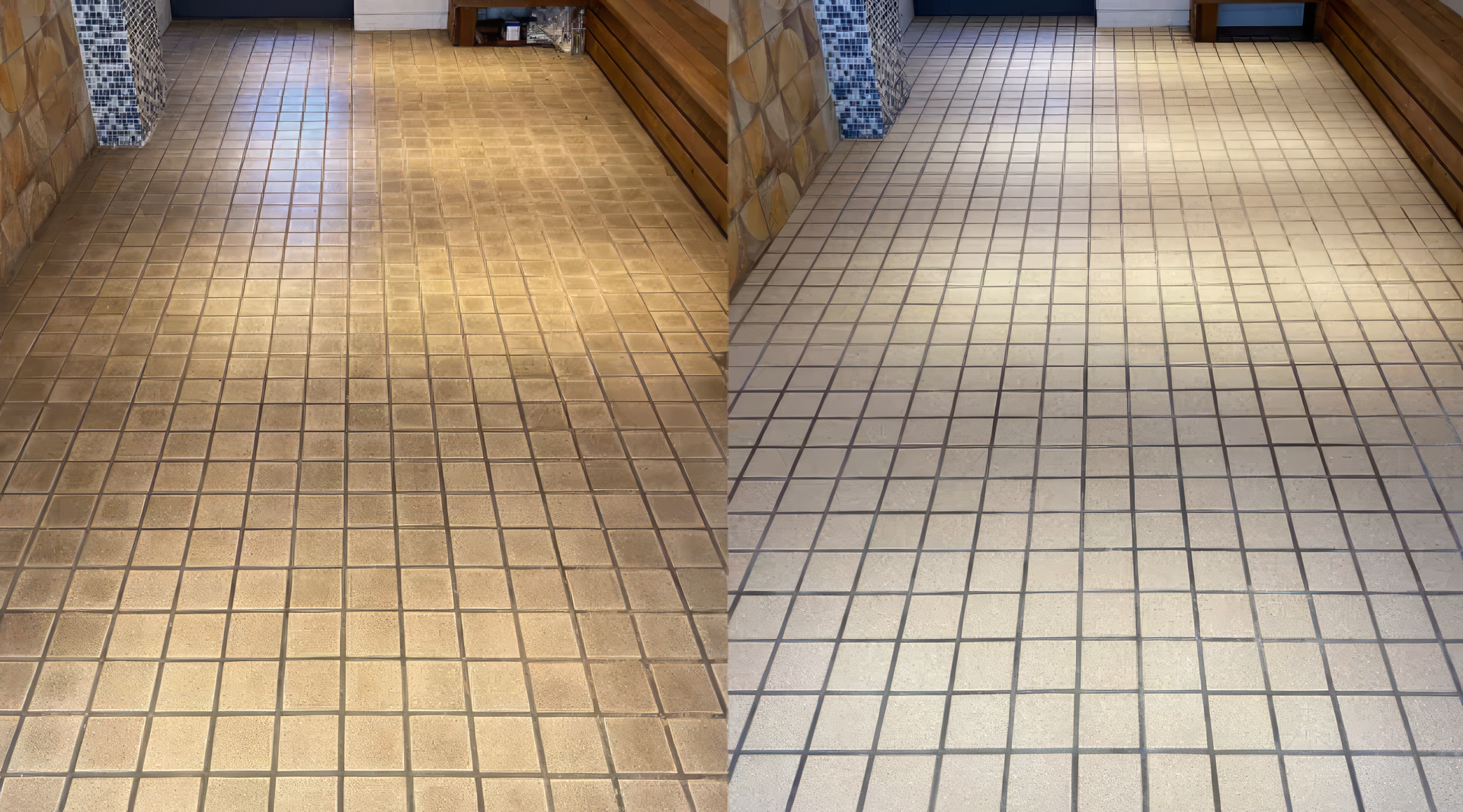
Floor cleaning is more than just appearances—it’s about creating a truly clean environment from floor to ceiling. Proper cleaning reduces grime and bacteria, helping spaces feel fresher for longer. For restaurants, cafes, and other commercial spaces, maintaining a spotless environment is crucial. A clean floor can make the difference between a positive review and a negative one, influencing customer perception and satisfaction. Why do they need cleaning regularly? Floors are the most heavily used surfaces in any building, making regular cleaning essential. A well-maintained floor reflects the overall cleanliness of a restaurant, office, or commercial space, creating a strong first impression for customers. Dirty or neglected floors can directly impact your brand reputation, as they are often the first thing visitors notice. Beyond appearances, unclean floors can also affect the health and wellbeing of employees, as a clean environment is critical for a safe and productive workplace. Why use a commercial cleaning company? While regular cleaning helps maintain basic hygiene, a mop and bucket can only go so far. This traditional approach often falls short of achieving a truly professional finish, leaving floors less polished and hygienic than they could be. Therefore it falls to a commercial company to remove the dirt and grime that becomes embedded in the surface without you even realising it. The machines used by a professional company are much more powerful than standard floor cleaning tools. The equipment includes rotary scrubbers and high-pressure washers. There can be mistakes made when basic cleaning is used, it can have a direct impact on a surface with harsh chemicals. A professional company would know exactly how to preserve a hard surface floor without directly impacting it's quality or appearance. Restaurants and other commercial properties are required by law to keep their properties up to standard. Compliance is one of the key reasons why a commercial cleaning business would be a better fit than a regular cleaning company. What is the impact? Using a commercial company can actually reduce long term costs, keep your floor lasting longer and results are more consistent over time. Usually a quarterly clean is sufficient to keep your floor up to standard over time. Neglecting this important feature within your commercial environment makes it much more difficult to clean in the future. Dirt, grime and grit can directly cause your surfaces to become scratched and unsightly over time - thats why you need to think long and hard about whether a professional finish is the best approach. Following the recent pandemic it has never been so important to keep surfaces clean and maintain a standard of wellbeing for staff and customers.
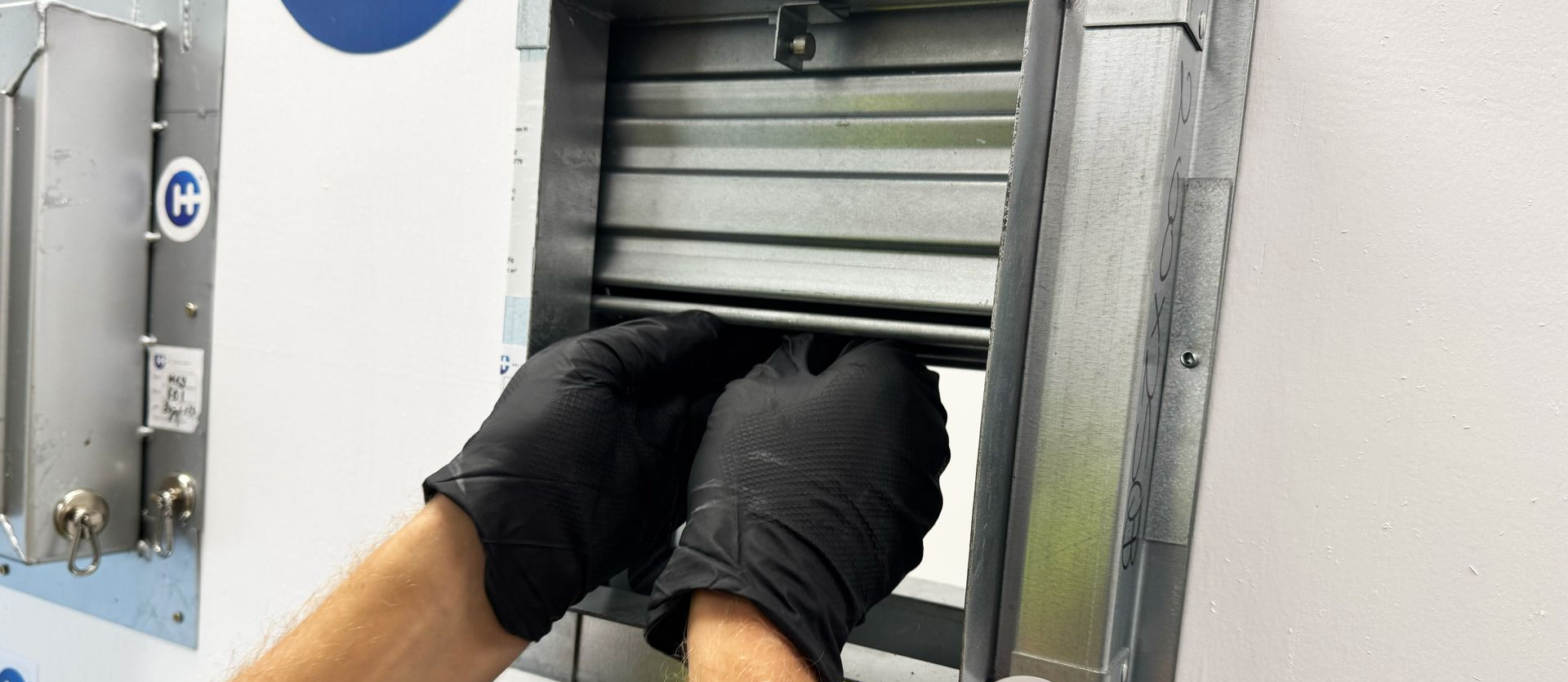
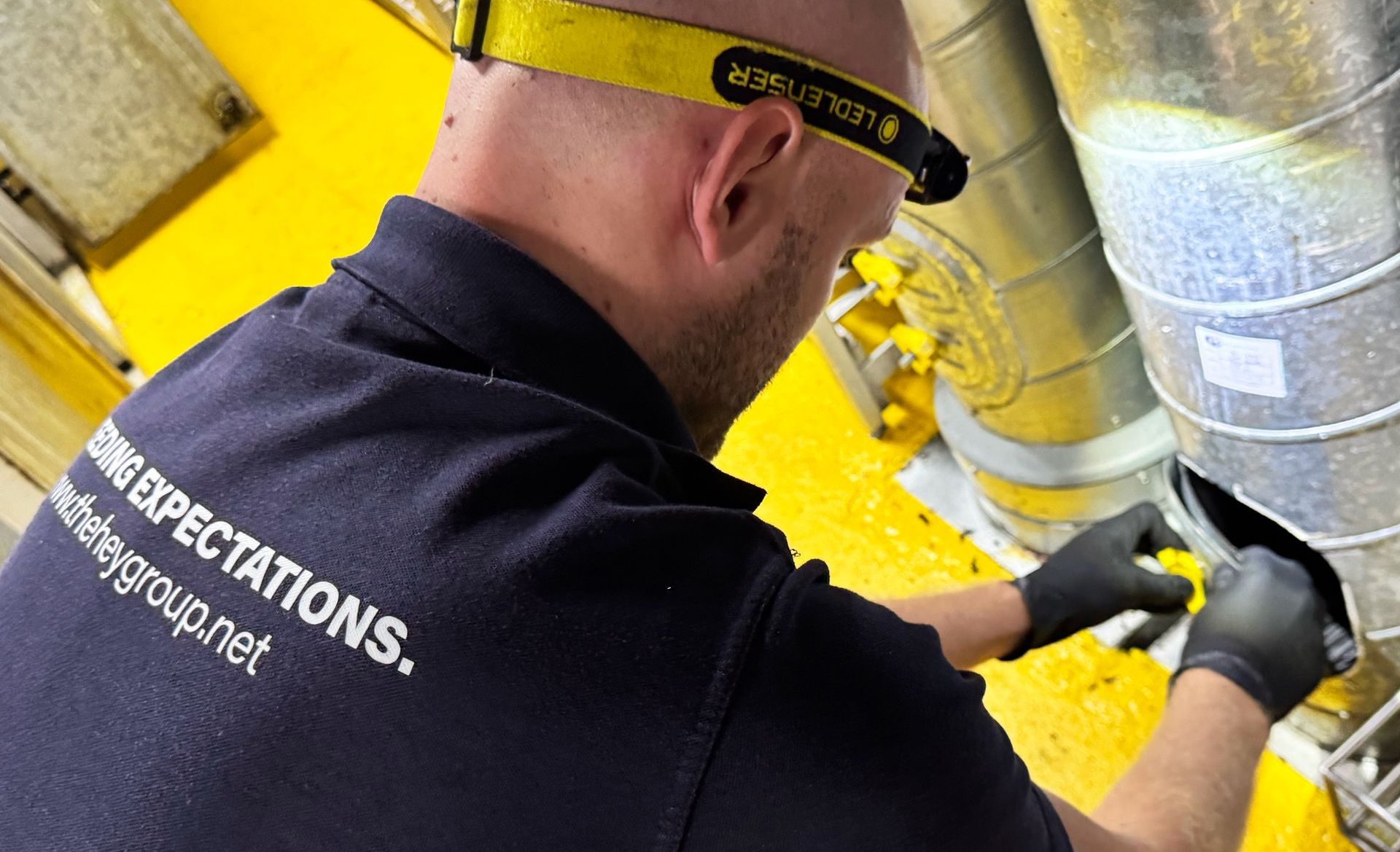
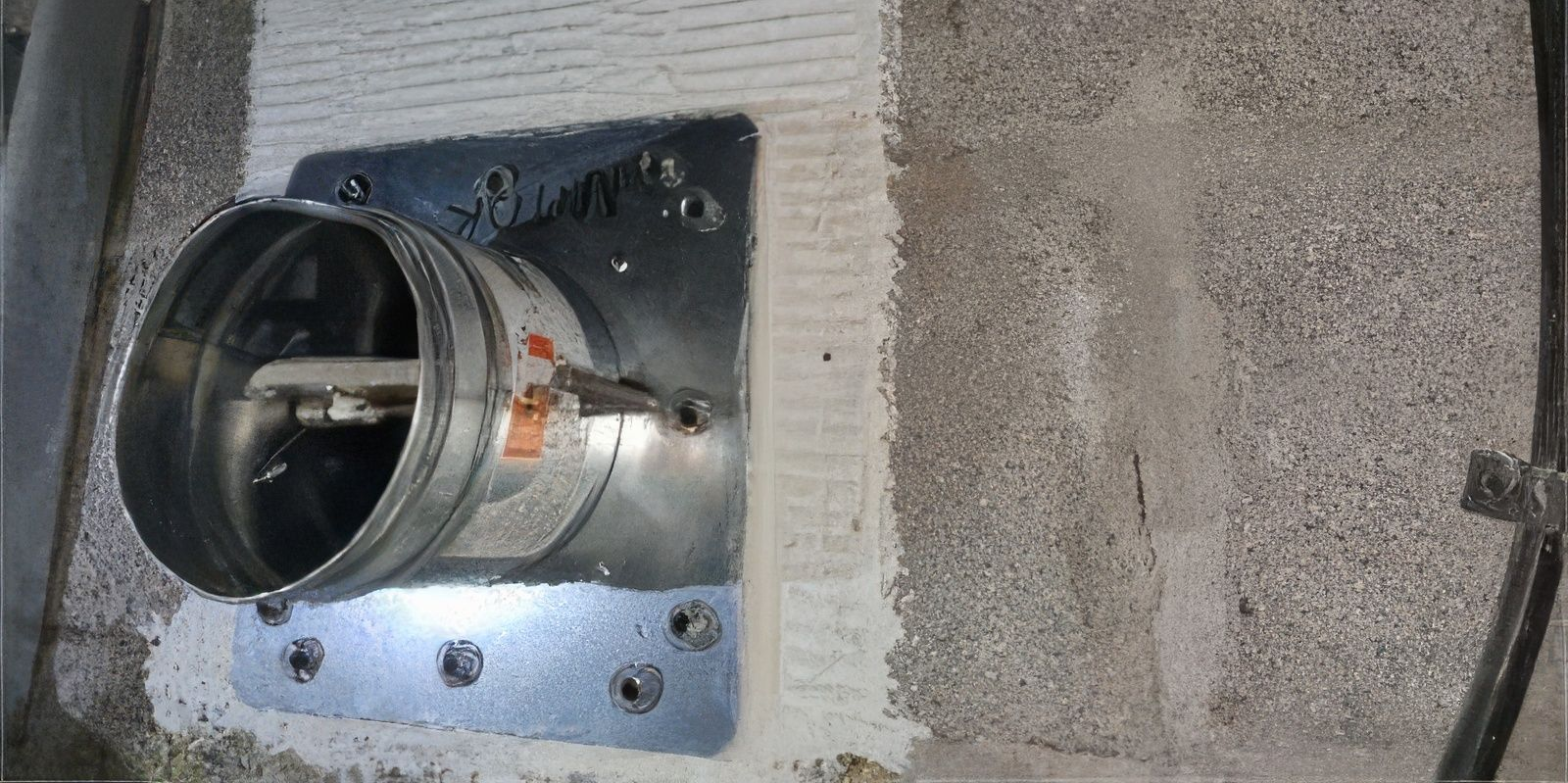
Inside ductwork fire and smoke dampers are fitted to prevent a fire from spreading. They tend to be installed near or around fire resistant walls. They are designed to significantly slow the spread of a fire inside a HVAC system, preventing the damage a fire could cause from affecting the structure or different floors of the building. Why do they need maintenance? There are instances where particles of dust and debris can directly affect how these dampers work, this is why regular testing and maintenance is necessary. Without this everyone within a building is at significant risk. Typical problems that arise are faulty installations, hinges not installed properly, corrosion/rust and high buildups of contamination. Testing of Fire Dampers + Maintenance works Why should they be tested? Clear guidance is provided within 9999:2017, it covers regular visual inspection and specifies that testing should be at least every 12 months. The law stipulates that a competent person must install the fire dampers and that testing should not be left any longer than 2 years. Fire Dampers operated by spring should be tested every 12 months or more if they are located within an area of high pollution. It is also important to regularly test them in a hospital environment to keep everyone on site as safe as possible. You must ensure you have someone certified to carry out the testing and that once the work is complete you have a certificate to ensure there is evidence that the dampers are in full working order. Effective testing will shine a spotlight on any potential problems and whether they will effectively fall when a fire is detected. The legislation makes clear that if an issue is discovered with a fire damper then it must be dealt with immediately. Is testing of Fire Dampers a requirement by law? The answer is yes . It must be tested regularly and to the required standard. It all falls back to the duty of care that you as the business or building owner have. Every 12 months is the minimum requirement but it is often the case that checks will be required every 6 months in order to ensure the building is completely safe.
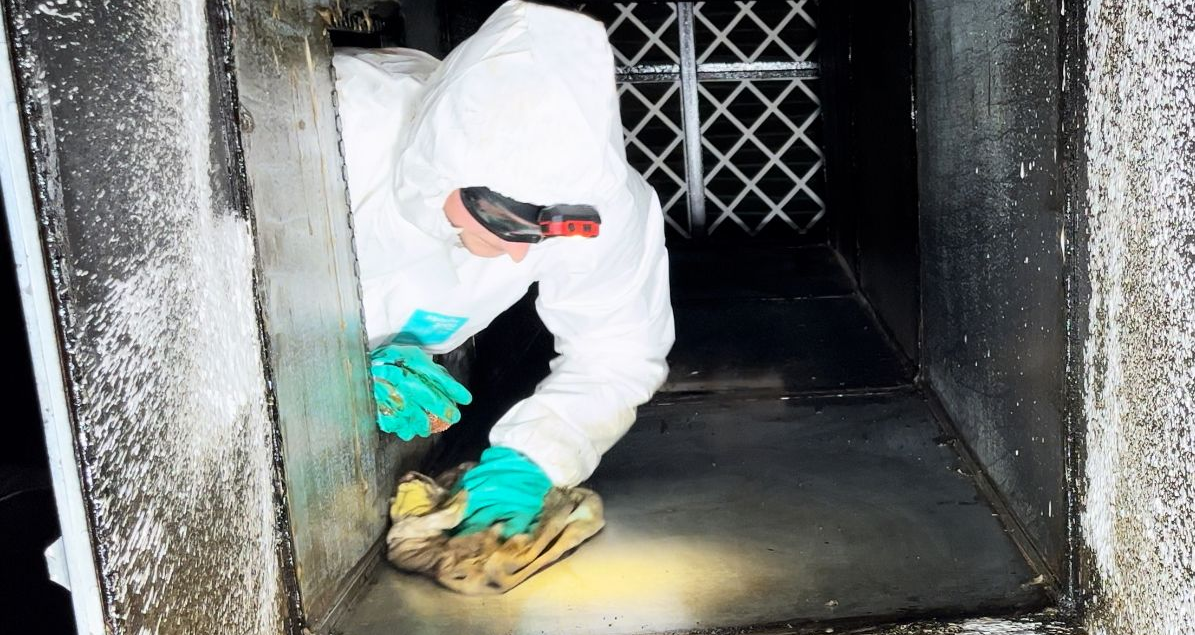
When our team arrives on site, we begin with a comprehensive system analysis to assess the condition of your kitchen extract and ductwork. If the system has been in use for an extended period without cleaning, it will likely require a deep, professional clean. Following the inspection, we provide a detailed report highlighting all areas that need attention and outline the steps required to bring your system up to industry standards. Once you have reviewed the report, we agree on a start date and the specific level of cleaning required. Our trained operatives then carry out the cleaning to a high industry standard, ensuring all agreed areas are thoroughly addressed. After completion, a second report is provided, showing the before-and-after condition of the cleaned areas, giving you full assurance of compliance with all relevant health, safety, and hygiene regulations. We then implement an ongoing maintenance program for the agreed duration to preserve system performance, maintain cleanliness, and ensure continued regulatory compliance across the entire plan. RZ-Clean-Seal Solution At HEY, we offer a proprietary solution called RZ-Clean-Seal, a three-step process designed to keep ductwork clean, protected, and easy to maintain. The process includes: Clean – Thoroughly bringing the system to an exceptionally high standard. Seal – Applying RZ-Ecoseal to prevent grease from adhering to metal surfaces. Maintain – Ensuring ongoing cleaning and site protection for long-term performance. This innovative approach helps reduce overall maintenance costs over time. While we provide RZ-Clean-Seal for multiple clients, Five Guys is a prime example of its effectiveness. At these sites, ducts are sealed from day one, preventing significant grease buildup. Grease remains in a liquid form that cannot stick to surfaces, making routine cleaning as simple as a quick spray and wipe.
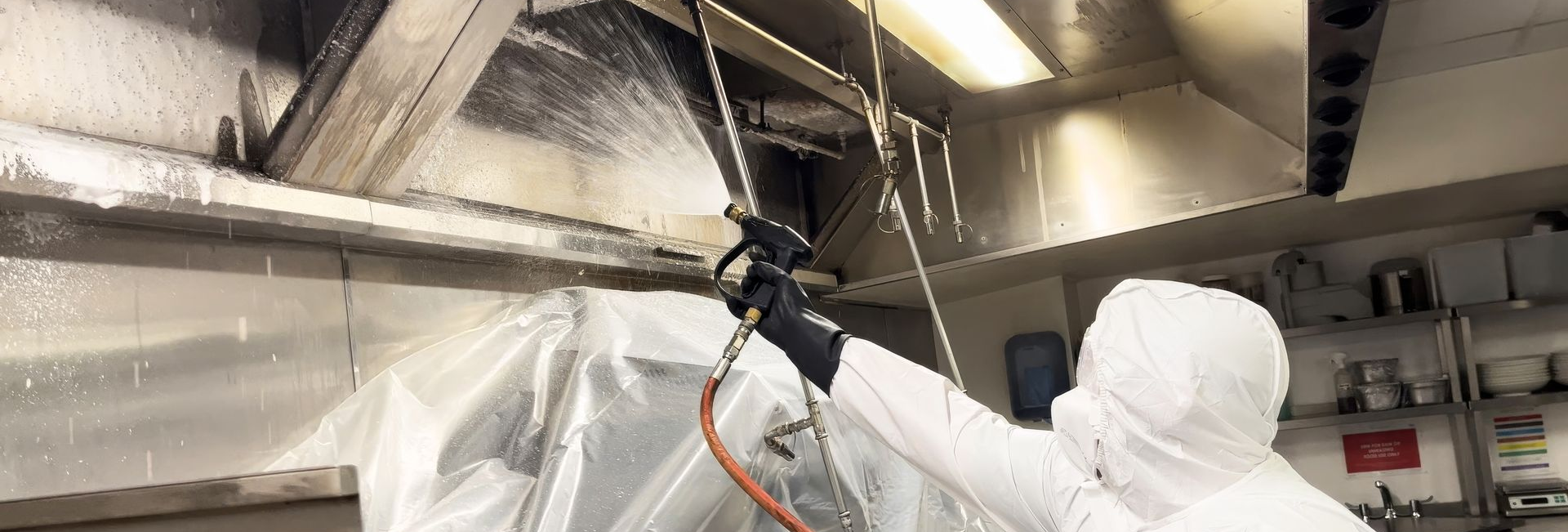
Prevention of fires - Removing the grease from a surface inside a kitchen extract system or canopy stops a fire from being able to spread upwards through the system which can effect an entire building if left uncleaned. The cleaning protects your building, staff and business so it is essential to be carried out. Full System Operation - A clean fan, duct and canopy allows for extraction to be smooth and efficient. This reduces general wear and tear, also lowers your energy costs because the system isn't having to work as hard to extract the air out of the kitchen. General Hygiene - A system that has been thoroughly cleaned is far less appealing to bugs/pests especially when cleaned with strong chemicals. It stops bacteria from building up and living on the grease deposits. Compliance with regulations - You will meet the standards set within TR19 (as applied by BESA) and UK fire safety. Protection of business and peace of mind - Ensuring your site is up to legal standards stops you from having to worry about it over time.

How Powerful Are Hey Cleaning Technology Machines? Our machines are designed to reach difficult areas within ductwork and deliver powerful removal of grease and carbon buildup—especially when used with high-performance cleaning solutions such as Blitz. When operated effectively, they significantly reduce the level of manual labour required on site, making the overall process faster and more efficient. Our equipment range includes the Foam Box , the 15m or 30m Brushing Machine , and the Compressor . What is the Foam Box? The Foam Box is our most versatile cleaning machine, designed for use on a wide variety of surfaces. It makes cleaning faster and more efficient by delivering a wide spray pattern with each trigger pull, allowing you to cover larger areas in less time. As the foam solution contacts the surface, it immediately begins breaking down grease and grime—doing the heavy lifting for you and simplifying the cleaning process. Setup is quick and straightforward. Once the Foam Box has been primed, it can be easily used across multiple locations on site, with the flexibility to operate using different hose lengths to suit the job. You can see the setup of the Foam Box and how to use it properly by clicking here . What is the Brushing Machine (15m or 30m)? The Brushing Machine is specifically designed to tackle hardened grease with exceptional reach and performance. When paired with durable metal brushes, it delivers powerful cleaning action, effectively breaking down even the most stubborn deposits with ease. Depending on the job requirements, the Brushing Machine comes with two hose length options to suit different cleaning scenarios. The 15 m hose is ideal for smaller duct systems, providing precise control and easy manoeuvrability. For larger or hard-to-reach systems, the 30 m hose ensures extended reach, allowing operators to access distant areas without compromising cleaning efficiency. This flexibility makes the machine adaptable to a wide range of ductwork sizes and layouts. How does the Compressor help? The Compressor powers the Brushing Machine, providing the consistent pressure needed to keep the brush rotating smoothly and moving efficiently through the ductwork. By maintaining optimal airflow, it ensures the brush can tackle grease and debris effectively, reducing cleaning time and effort. This reliable pressure allows operators to work quickly and confidently, even in longer or more complex duct systems, without losing performance or control. Enquire about our machines now and see how your cleaning improves for kitchen extract systems.
How do I remain compliant with Fire Safety Regulations? As a business owner you have a responsibility to protect your site and staff from potential fire risks. There are several steps you need to follow in order to be compliant with the law. Fire extinguishers must be visible and placed in strategic locations around the site Keep sources of ignition away from fuel Do you have adequate evacuation procedures in place? Who is assigned to contact the fire brigade? Do you have capacity to put out a small fire if required? Have you done a fire drill? Do your staff know what they must do in the event of a fire? Are temporary staff also aware? Are electrical outputs and machinery checked regularly? What do we need to be aware of for fire safety? Identify sources of ignition Identify sources of fuel Identify sources of oxygen Identify potential risks within your building Evaluate the risk of a fire starting on site Remove potential fire hazards Record any discoveries of fire risks Prepare an emergency plan and ensure all fire exits are clear Make changes where necessary Being a Commercial Kitchen what do we need to be aware of? Being a commercial kitchen you require Class F fire extinguishers on site, these are designed for tackling fires caused by cooking. Fires in a home environment can be put out using water mist extinguishers. What should an emergency plan consist of? A suitable fire detection system (alarms must be working and checked regularly) A plan for a false alarm Set guidance on who contacts the fire brigade There must be clear signage leading to fire exits and these must be unobstructed Emergency doors must be easy to open Employees must be trained in what to do in the event of a fire There must be provision for disabled people during an emergency Emergency fire plan must be tested regularly You must assign Fire Warden roles to two people or more for each department
How do I remain compliant with TR19® standards? TR19® is not a legal requirement as such, however it is still important that the standard is complied with to ensure your kitchen extract systems and ventilation is safe. The standard is published by BESA. The TR19 standard applies to the following: Kitchen extract canopies and ductwork Grease filters Ductwork Fans Ventilation systems Access Panels Discharge Points The key purpose of TR19® is to protect you and your staff from increased fire risk caused by grease particles that accumulate over time inside ductwork. As the owner, you have a responsibility to protect everyone on site (that includes both staff and customers). Determine how much cleaning your system requires depending on the amount of time your kitchen is in use during the day: 12 to 16 hours per day requires cleaning every 3 months 6 to 12 hours per day requires cleaning every 6 months 2 to 6 hours per day requires cleaning every 12 months An insurance company may specify how often cleaning should take place. To ensure you are covered please read your insurance policy to find out exactly what is required. Use a contractor that you have confidence in Ensure your contractor is experienced in cleaning to BESA TR19® standard and ensure the entire system is cleaned consistently, also that a comprehensive report is provided so the system is fully compliant to the specified standard. Confirm the level of grease within the system (this should be featured in any report that has been submitted) and ensure access is of a good standard for any operatives to reach where they need to be. If access is an issue then a contractor should let you know immediately and if necessary will arrange for access to be fitted. There should always be a BESA TR19® certificate supplied following every clean. The certificate and report should include photos before and after of the clean (taken from the same spot), clear grease level readings, Areas accessed and areas that cannot be reached. What do I need to do? Most of this work and compliance should be handled by your selected contractor, however, it is your responsibility to effectively store reports and certificates of a clean in a safe place - if ever there is a required claim for insurance then the report and certificate will be the evidence required to ensure a successful insurance claim. Identify the hours of use the kitchen currently has Ensure you booked TR19® cleans as regularly as possible Use an effective contractor Store certificates and reports safely following a clean Keep logs of cleans that have been completed - include dates Review insurance policy annually for any changes Once all this has been done you will be compliant with the BESA TR19® standard. Visit www.heyservicegroup.co.uk/commercial-kitchen-extract-cleaning to learn about our kitchen extract cleaning service and how we can keep you system safe and compliant with TR19 standards.

What are your obligations legally? In the United Kingdom there are certain legal obligations that spell out exactly how buildings, people and customers must be protected and a clean environment maintained. It is up to you to ensure these obligations are met by ensuring you have a supplier that can carry out the work you require in order to remain within what the law requires. What is the key legislation? Food Safety Act 1990 General Food Hygiene 1995 Health & Safety at work 1974 Workplace Regulations 1992 Control of Hazardous Substances 2002 Fire Safety Order 2005 Environmental Protection Act 1990 BESA TR19 Guidelines This is the legislation that protects everyone on site whether its customers, staff and even contractors carrying out the work. It is also essential to ensure that any professional cleaning is carried out wearing full PPE - this keeps contractors safe from any part of the environment that is potentially hazardous during cleaning. What are the main things you must do? Keep all cooking areas clean and sanitised Ensure all food is stored correctly All staff must be trained in food hygiene Regularly clean all utensils and equipment Dispose of food waste effectively Clean kitchen extract systems as regularly as required (every 3, 6 or 12 months) Clean ventilation systems to remove dust and dirt to keep air clean Service gas appliances regularly Ensure a supply of clean water and effective drainage Conduct a fire risk assessment regularly Ensure you have enough fire extinguishers and alarms are fully operational Ensure evacuation routes are clear Ensure Fire Dampers are fully active to prevent a fire spreading Check for pests and ensure they are dealt with using a professional pest control service Customer facing areas should be cleaned and sanitised
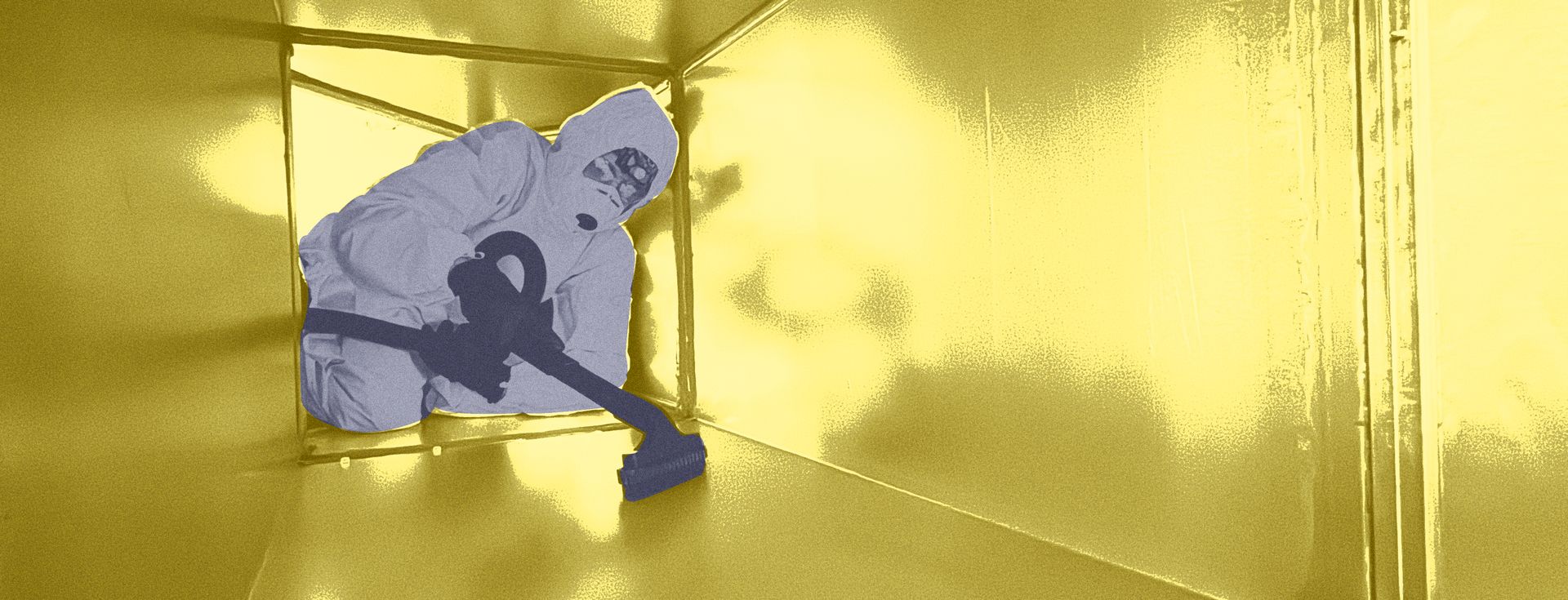
Ventilation Cleaning: Why is it important? Ventilation cleaning is the removal of dust and debris from within air extraction systems. It includes all attached components such as air ducting, vents and other components. If left unattended these contaminants can lead to a reduction in airflow and increase overall costs. It can also cause an environment to become hazardous especially for vulnerable people such as patients in hospital - this is the sort of environment that certainly needs cleaning often to protect everyones health. Cleaning Air/HVAC systems ensures: Excellent air quality indoors that keeps everyone safe More efficient system ensuring that energy levels remain low and keeps bills low The lifespan of the whole system is extended by regular cleans Keeps systems compliant with health & safety requirements (NAAD21) What equipment is used for cleaning? We use a variety of specialist vacuums, long-handle dusters and mechanical brushes to remove dust effectively without damaging the ductwork. Why is ventilation cleaning important? Dust and dirt deposits cause a reduction in general airflow, cause fire risks and increase bad odours. Under the Fire Safety Order 2005 there is a general requirement for the person responsible to ensure fires are prevented. This includes ensuring dust and debris is removed from ductwork. Ventilation systems must be checked and cleaned regularly to remain compliant and within the law. BESA TR19 guidelines make it clear that regular cleaning must be undertaken to protect lives and property, so ensure you discuss with your contractor about the required amount of cleans per year to stay compliant.
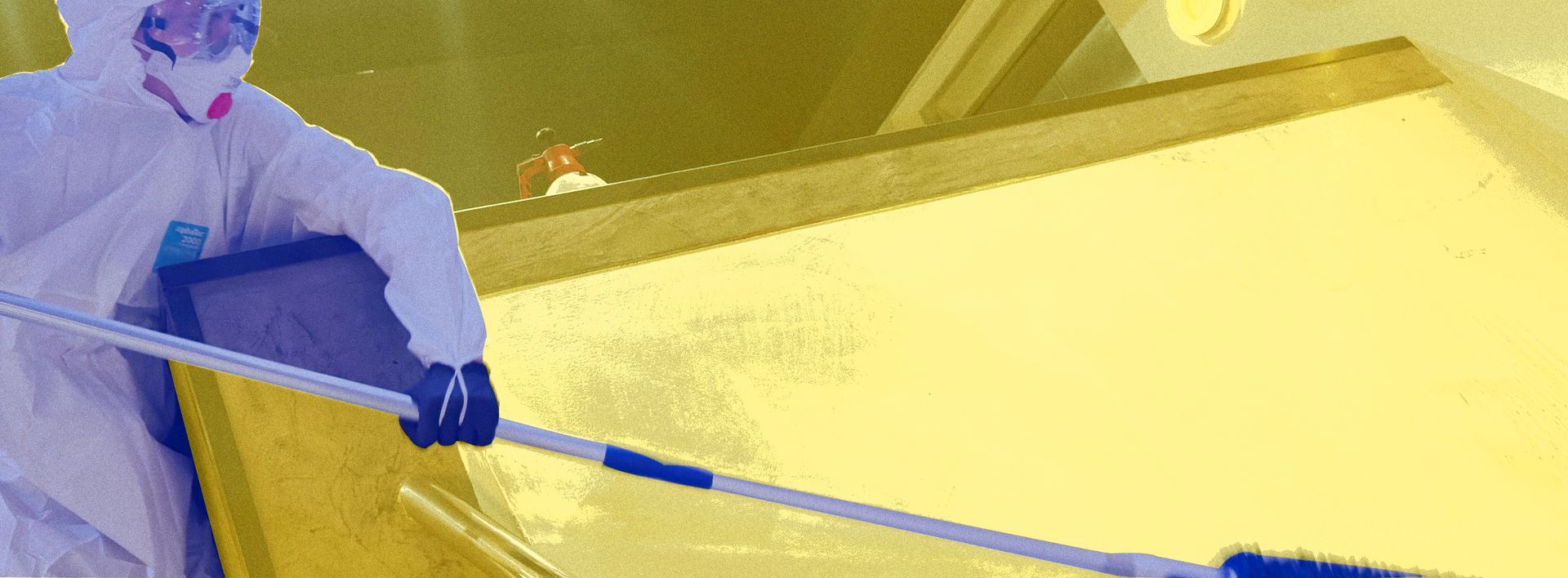
High-Level Cleaning: Why it Matters High-Level cleaning is important for overall site hygiene and keeping your customers happy. Dust, dirt and grime can make an environment unpleasant leading to complaints or even worse a customer not returning. It's a specialised job that reaches the areas you can't including ceilings, ledges, upper windows, internal glass/windows and light fittings/fixtures. This type of cleaning can only be carried out by fully trained individuals who are experienced in working at height, keeping themselves safe while ensuring your commercial areas are spotless. A risk assessment is conducted before any work takes place to ensure operatives are always safe on site. What does High-Level Cleaning Consist of? High-Level cleaning is for reaching areas that cannot otherwise be reached including: External cleaning (windows and jumbrellas/awnings) Upper floor windows Upper ledges Ceiling areas Lights High up fixtures Where is High-Level Cleaning most effective? Restaurants and bars Warehouses and factories Processing centres Retail units and shops Leisure centres Gyms and sports centres Commercial units What other types of High-Level cleaning are there? Window cleaning, gutter cleaning, paving stone cleaning, cladding and signage cleaning. All these are important as the external appearance of a restaurant for example can entice potential customers into choosing your restaurant over the one next door. External High-Level Cleaning Algae, moss and dirt build up in outdoor areas as time goes on, so keeping on top of it is really important as they make a direct impact on how the business/restaurant is viewed by the public. It isn't just dirt and grime though as guano (bird poo) can also start to mount up - which can make a building look scruffy. A team can complete a clean without disturbing the day-to-day running of the business. What methods are used for High-Level Cleaning? Elevated work platforms are used Scaffolding and Scissor Lifts Rope/Harness Access Suspended Platforms and Nets for safety
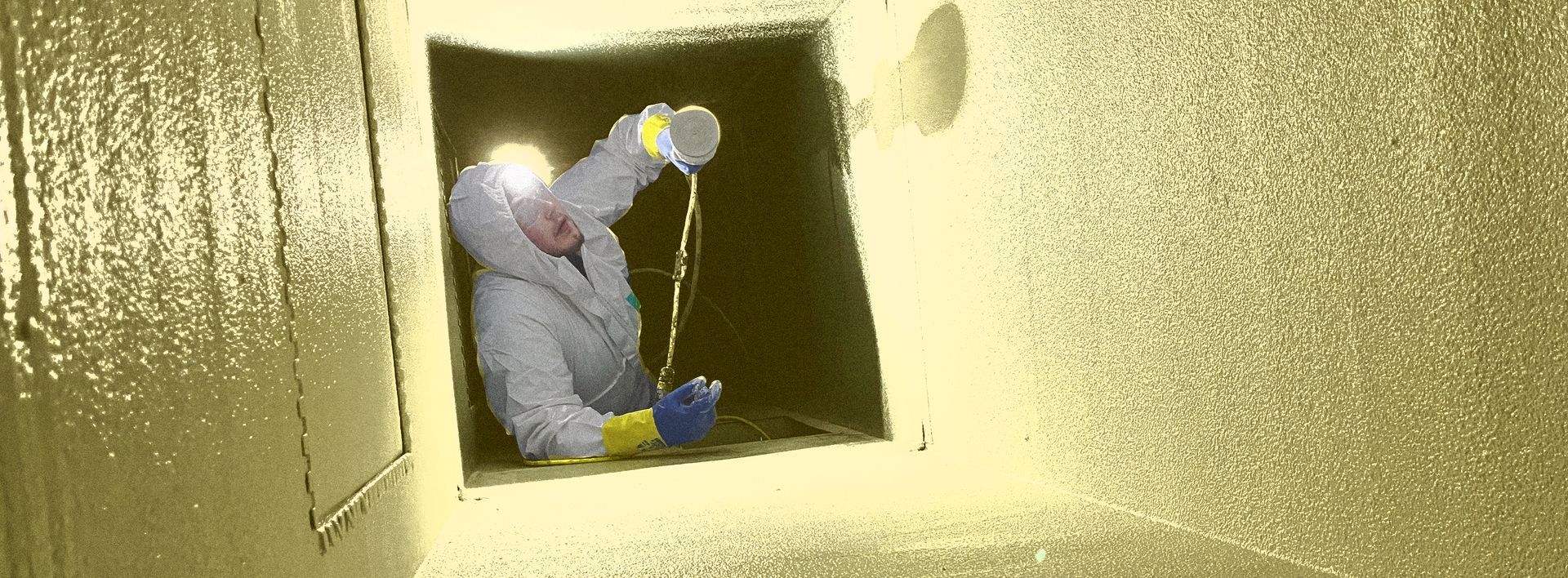
Kitchen Extract Sealing - A Unique Solution to Grease Buildup RZ-Clean-Seal is a unique solution provided by Hey Service Group to fully seal kitchen extract systems in commercial kitchens. The process involves cleaning, sealing and maintaining kitchen extract systems to ensure systems have maximum compliance with legal requirements. We use a sealant called RZ-Ecoseal, which is applied via a spindle inside the ductwork - as the spindle is pulled back it leaves behind a coating of the product on the metal surface. When the product has fully dried it stops the grease from hardening, keeping it in a liquid form ensures cleaning is quicker and the systems remains safer than if the grease had hardened. A fully sealed system is the best way to protect the overall performance of a system and stop grease from building up over time. RZ-Clean-Seal is a scientific way of keeping kitchen extract systems clean and working efficiently. The system itself becomes completely airtight once sealed, meaning it also prevents leaks from occurring. The system is more efficient but also significantly reduces fire risk. Grease carbonises on the metal surface but when it hits the sealed surface it cannot adhere properly and just runs off, leaving liquid puddles that can simply be sprayed and wiped. What are the Key Benefits of Sealing a Commercial Kitchen Extract System? Reduces grease and therefore reduces fire risk 30% lower energy costs from your system being in use Save up to 50% of your overall cleaning costs A cooler, cleaner kitchen environment for your staff 40% longer lifespan of your system Less downtime due to fewer cleans being required RZ-Ecoseal creates a "golfball" like effect that improves the flow of air What are the key figures behind the RZ-Clean-Seal Solution? A 1.5mm layer of RZ-Ecoseal is the amount applied to the inside of the ductwork. This creates an effective barrier that prevents grease from sticking and hardening on the surface. 30% increase in airflow when a system is fully sealed 50% reduction in cleaning costs Cleaning goes from being every 3 months to every 6 months Instead of costing £9,000 per year to clean, it becomes £1,500 per year to clean. Instead of 3-shifts per clean it becomes 1-shift per clean Is the Solution Available in Different Countries? Yes. RZ-Clean-Seal is being rolled out at a global level by franchisees operating in different countries including the United Kingdom, the Netherlands, Belgium, Luxembourg, Portugal, Australia and New Zealand. If you have a restaurant/s in these areas then you can contact them directly to look at how you can protect your kitchen extract systems and reduce your overall operating costs. How Much Can I Save by using RZ-Clean-Seal? Let's give you an example of just how much you could save over a 5-year period with the solution: Cost before (5 years): £12,660 Cost after (5 years) : £8,343 Thats a potential saving of £4,316 just from sealing a system and costs continue to drop after this period of time due to the system lifespan being extended, meaning no replacement for an even longer period of time (10 years).
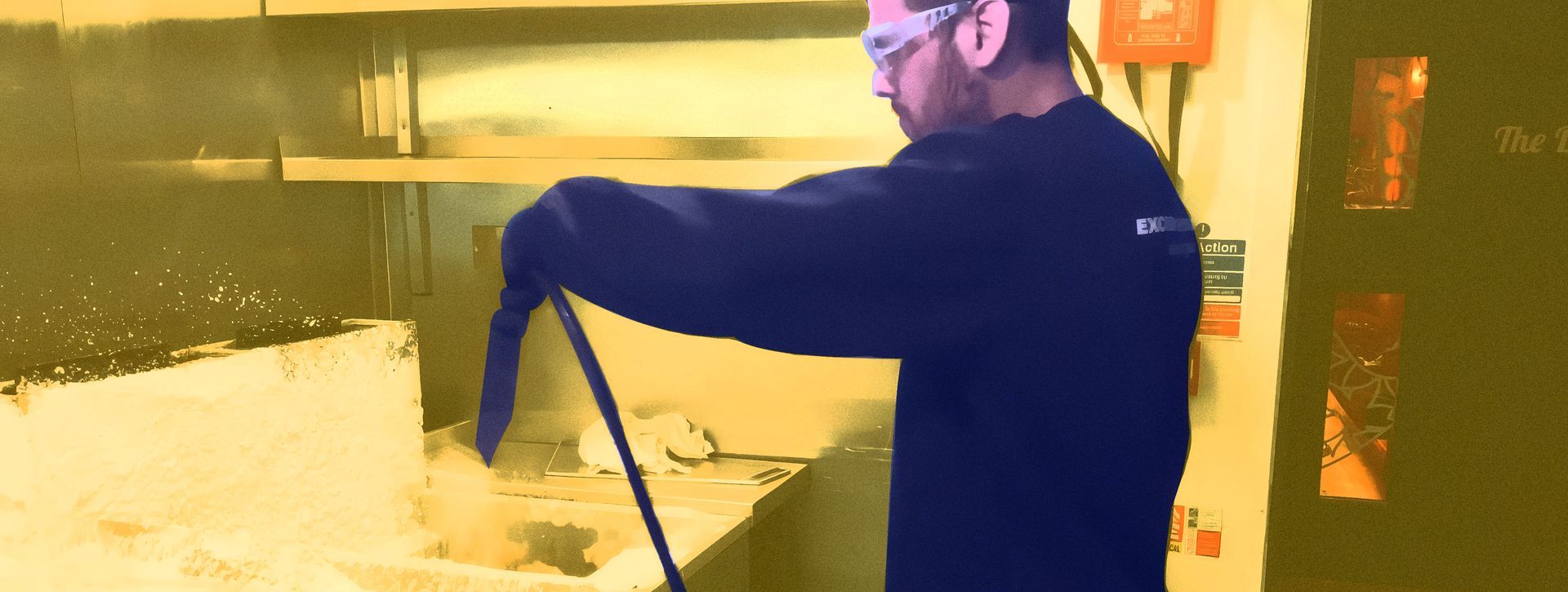
The Importance Of Kitchen Deep Cleaning A clean kitchen isn't just more pleasant to work in, it's more hygienic and protects the health and wellbeing of both staff and customers. Regular cleaning is vitally important - it includes your equipment, fixtures and your commercial kitchen extract (as well as your canopy). What is a Commercial Kitchen Deep Clean? A deep clean is much more comprehensive than any other clean. It gets those areas that your staff probably won't even think about and thats understandable, they can worry about keeping the main surfaces clean while these deep cleans deal with the bigger picture. Fat, grease and oil can all build up in missed areas which in turn lead to bacterial growth. The process involves using professional cleaning chemical to remove the stubborn buildup of fats and grease, it also kills the bacteria effectively. Regular cleaning is especially important - this prevents the grease from building back up leading to bacteria and bad odours. It is a legal requirement that your kitchen remains clean and within guidelines to prevent customers from becoming ill. This is laid out in the following legislations: The Food Safety Act 1990 The Food Hygiene Regulations 2006 BESA TR19 All of these require a clean environment to protect everyones wellbeing. Why is a Commercial Kitchen Deep Clean Beneficial? Protects the health of both your staff & customers Lower insurance premiums Comprehensive health & safety protection Prevents food from becoming contaminated by fat, oil and grease Supports your food hygiene rating Prevents customer complaints What is the process of a Kitchen Deep Clean? All kitchen equipment is effectively cleaned and sanitised against bacteria. Cleaning of cooking equipment such as ovens, fryers and grills Walls, floors and ceilings are fully cleaned Cleaning of shelves, racking and surfaces in a kitchen Anti-bacterial clean which eliminates odours Appliances and fixtures are also cleaned efficiently Who is the beneficiary of a Commercial Kitchen Deep Clean? Commercial kitchens of all sizes benefit massively from a deep clean. You remain safe in the knowledge that cleanliness and safety are protected across your sites. Restaurants, cafes, hotels, pubs and more all benefit from these deep cleans and ensure full legal compliance. Compliance and Certifications: Food Safety Act 1990 Health and Safety at work act 1974 HACCP BESA TR19
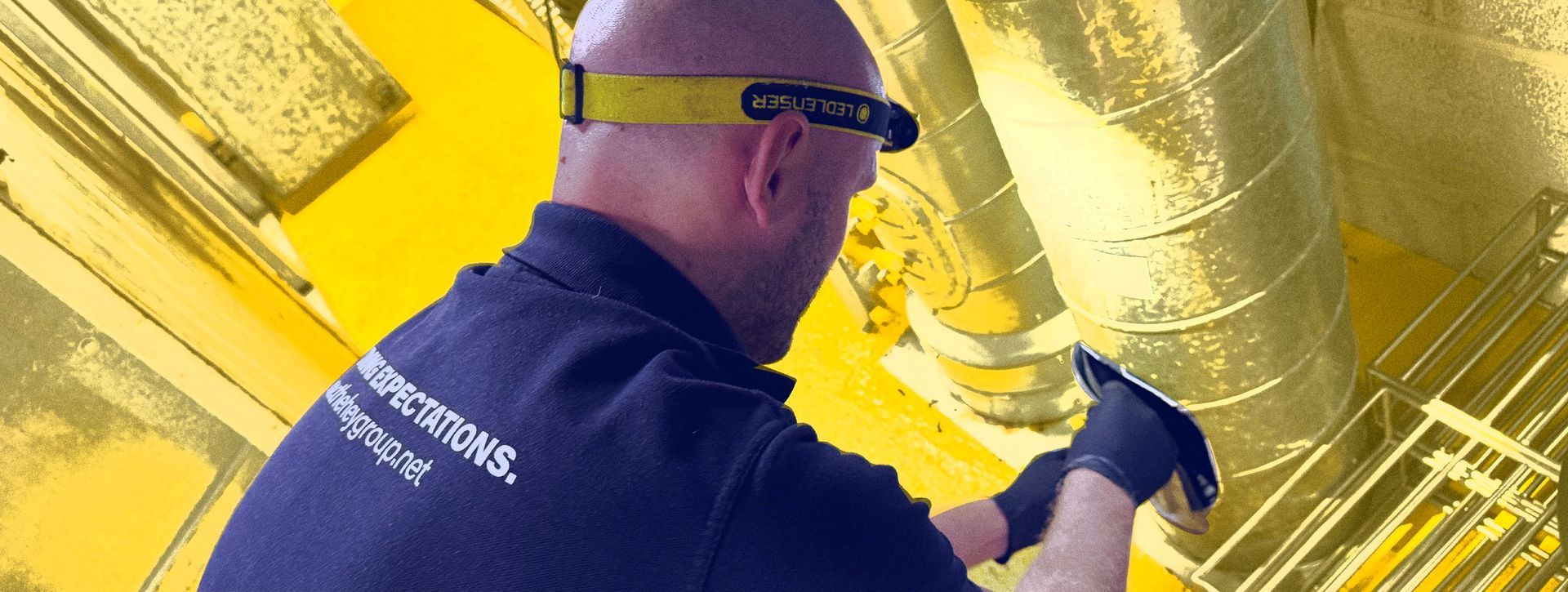
Why is Fire Damper Testing Important? Fire Dampers are located at specific points within ductwork. Specifically where new sections of a building start such as upper or lower floors of a building to prevent a fire from spreading further. This is why regular testing is essential and if faults are found then they must be fixed as quickly as possible to ensure maximum fire safety. They are held open by a link called 'fusible' which is a device that closes when a set temperature is reached, stopping the fire in its tracks. The link can be released manually by an operative for testing purposes and if they discover a fault it should be dealt with either immediately or as quickly as possible. Access is so important, if a fire damper cannot be reached then access must be provided, safety is the top priority of any building owner to protect both lives and businesses. When should Fire Dampers be tested and how often? The regulation BS 9999:2017 states that all fire dampers should be tested by someone trained and competent upon the completion of fire damper installation. Fire Dampers that are spring-operated should be tested yearly, but if a fire damper is within ductwork that is dusty or dirty it should be tested much more frequently. Once a fire damper has been tested a comprehensive report should be provided and kept on file to prove that regular tests have been conducted and that a site is completely safe in the event of a fire. Always request reports upon completion of work being carried out so you know the fire dampers are working. What does the law say? The owner of any building has a legal obligation to keep fire dampers in good condition, ensuring regular testing and remedials. The code of practice is BS 9999 for fire dampers and requires that they are tested at least once per year.
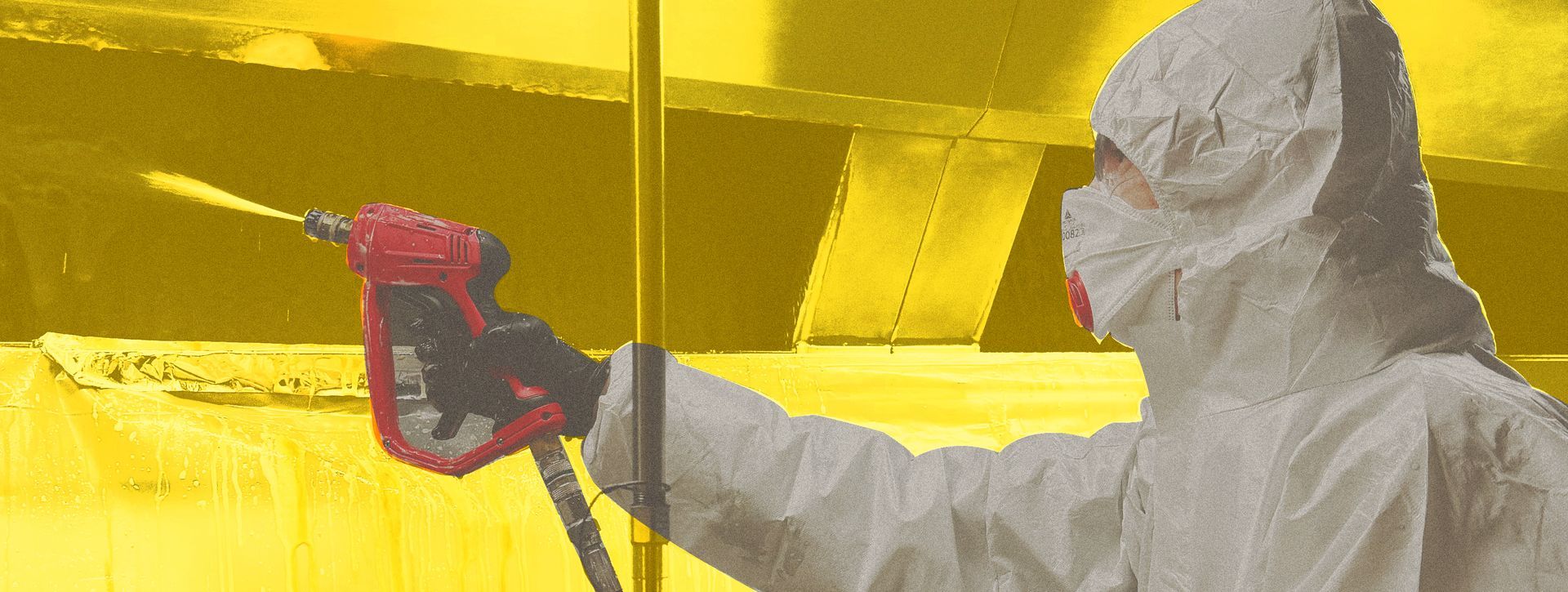
Kitchen Extract Cleaning to TR19® Hygiene Standards Kitchen extract systems can be the most at risk parts of a buildings full ventilation system. These ducts are active in harmful or hazardous environments where grease or bacteria are generated by cooking. The system draws from the kitchen below, that means grease, oil and other particles are drawn up into the ductwork. General exposure to cooking throughout the day and in the evening causes grease to stick to the metal surface of the ductwork. These accumulations are difficult to remove and can be extremely stubborn - they cannot be removed except by specialist cleaning chemicals and methods. If grease is left unattended then it can cause a fire to spread quickly through a system and cause severe damage and danger to life. Some kitchens also work through the night, especially 24/7 restaurants such as McDonald's so it's especially important to keep these systems clean because of the volume of grease moving upwards into the system. When a system isn't look at or cleaned regularly then grease can build up fast. Since ductwork is a confined space and is often cut off from view it can be challenging to keep track of without a professional plan. One of the number one causes of fires as specified by insurance companies and fire safety is via ductwork in commercial kitchen environments. These fires can lead to legal and reputational damage when there is no record of continued maintenance of the system and keeping it clean. These systems are a really big risk. This is why frequent inspections and cleaning must be carried out, along with inspections following a clean to ensure it is safe. TR19® gives the basic framework of how a system must be maintained and protecting lives, buildings and businesses. Your Legal Obligations People that own restaurants and commercial kitchens have a legal obligation to keep their kitchen extract systems safe and compliant. There are regulatory requirements and expectations that are covered in fire safety regulations, workplace safety and keeping your environment hygienic. The Fire Safety Order requires the people responsible to reduce fire risks in non-domestic environments. This essentially means identifying issues/grease within kitchen extract systems, followed by scheduling cleaning and proper system maintenance to ensure fire risk remains low. If these requirements are not adhered to it can result in legal action being taken against you, therefore it is imperative you keep systems checked regularly and cleaned as often as is required to keep the system in a safe condition as specified in the TR19® guidelines. Insurance providers now require regular documented proof of clean systems including micron levels to ensure a system is kept as clean as it possibly can be. If a system isn't cleaned regularly it can lead to insurers not covering you as proof of regular cleaning and maintenance is required. It is in the best interests of any restaurant or commercial kitchen to keep regular documented proof of any cleaning to ensure you are protected in terms of both safety and legality. TR19® - How Frequently Should Cleans Be Carried Out? The guidance in TR19® is very clear. A kitchen extract system must be protected by regular cleaning depending on the amount of use a system has within a restaurant. Heavy System Use: Specifically 12 to 16 hours use per day - cleaned every 3 months Medium System Use: Specifically 6 to 12 hours use per day - cleaned every 6 months Light System Use: Specifically 2 to 6 hours use per day - cleaned every 12 months These are the bare minimum amount of cleans required sometimes it is necessary to go above these levels of cleaning in order to ensure maximum safety. The methods used to clean a system are also laid out in TR19®. The full process includes the kitchen extract ductwork, the extraction fan, the kitchen canopy, and all reachable areas. Any inaccessible areas must be reached with new access panels. To properly clean a system it is recommended that specialist chemical is used to first loosen the deposits on the surface before scraping and wiping away. Leaving the surface spotless, this not only boosts safety but stops the kitchen from emanating bad odours into the actual restaurant dining area - it can lead to bad reviews from customers if the smell is caused by bacteria on the grease. Teams on-site must take well lit photos - before and after areas that have been cleaned to show clearly that grease/carbon has been removed and the systems safety has improved. Micron readings must also be taken. By following these methods and timelines your system will be compliant with safety standards. How To Structure Your Contract It is essential to ensure your contract covers everything you need, ensuring your sites remain compliant with TR19® standards and openness with your chosen contractor. The Contract should specify the following in detail: Required work scope: Detail how much cleaning is required. It should specify filters, canopies, ductwork, risers, fans and discharge areas. Frequency of Cleans: Specify the amount of cleans your require whether it's every 3, 6 or 12 months or even more frequently if necessary to ensure your site is safe. This should be clearly stated. Accessibility: Ensure any inaccessible areas are dealt with - your contractor should specify which areas need attention Verification of work completed: You must state clearly that photographs must be clear and taken from exactly the same point to ensure any grease removal/cleaning is visible and consistent. Extra photos can also be taken to ensure a thorough clean. Report on work completed: Ensure a comprehensive report is completed for every clean of the system. This guarantees that you will be protected in the future if anything goes wrong. The requirements of what should be featured in a report are within TR19® guidelines. Emergency work: If an urgent issue arises directly linked to the work carried out with the ductwork then it should be specified that the contractor returns to site in order to fix the issue as quickly as possible (only if related to the work carried out) - electrical faults or anything of that nature unrelated to cleaning should be carried out by maintenance or an electrician. Whose responsible: It must be made clear who the responsible party is for isolating, ensuring full system access and restarting services following cleaning. Certification And Ongoing Safety Ensuring a system is clean and safe is not just a one-off job. It is essential for ongoing compliance with legal requirements. Ensure reports are regularly submitted following all cleans carried out on-site. This protected both yourself and the contractor making sure you are both adhering to what is legally required. Contractors have to provide a comprehensive report of the work carried out including: Before and After Pictures Results of Micron Readings A Summary of the work completed Any access issues encountered and what is required A report on overall hygiene levels and safety These reports ensure a full guarantee of evidence. The evidence can be used for insurance and legal requirements and ensuring that you full within the law. They are your protection from legal difficulty and insurance liability. The documented reports should be stored safely somewhere in dated folders - they should be checked after every job to ensure they fall within the specified remits of what has been laid out in the agreement between the contractor and restaurant/chain. Peace of mind is always worth what these reports provide for legal and insurance purposes.

We've taken delivery of some new branded gear this week - goodie bags, a new mat, some window vinyls for the front entrance at HQ, branded mugs and notepads. It's something we're really proud of at HEY - we have a great brand that we all stand behind that matches the internal dynamic and energy of the business we've built. It's been a team effort and we're all really proud to be part of something that is having an impact in our industry. #HEY #HEYTeam #BrandPride #ProudMoment #BuiltNotBought #TeamEffort #PeopleFirst #CompanyCulture #TeamCulture #BehindTheBrand #GrowingBusiness #BusinessWithPurpose #BrandBuilding #ScalingUp #OnTheUp #IndustryImpact #MakingWaves #RaisingTheBar #ChangingTheGame #BrandedGear #OfficeVibes #NewMerch #WorkplaceStyle
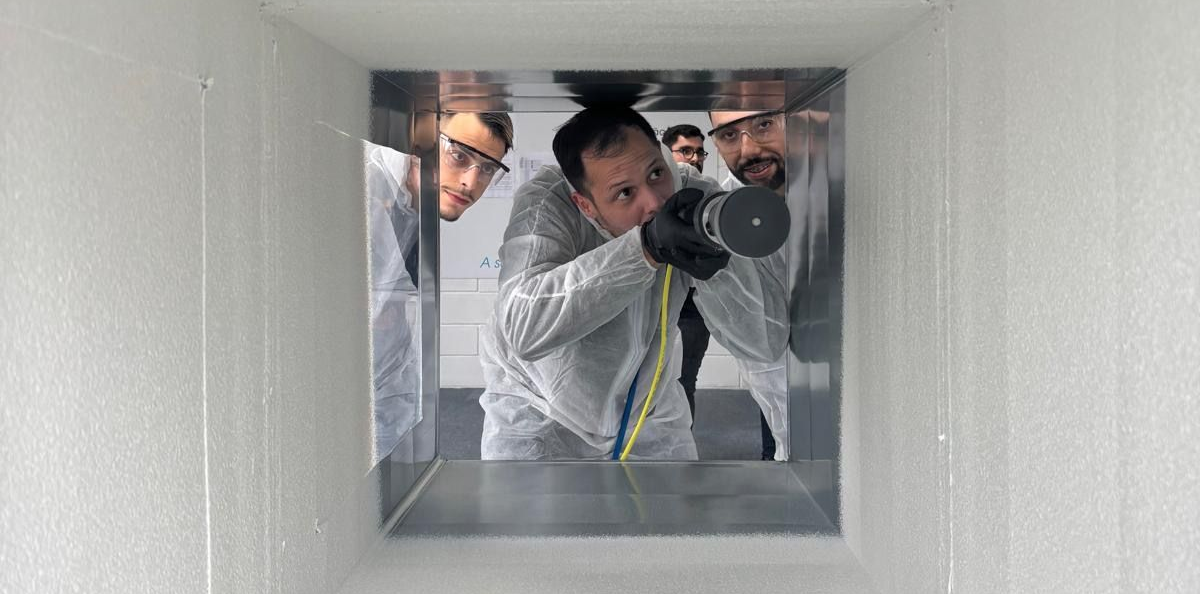
Jake and Dec recently visited our newest franchise partner, ARVAC, in Portugal as they begin the rollout of the RZ-Clean-Seal solution. This marks an important step in expanding RZ-Clean-Seal services into the Portuguese market, providing innovative surface protection and sealing solutions for new commercial and industrial clients. We’re excited to support ARVAC as they implement the RZ-Clean-Seal process and bring proven, high-performance cleaning and sealing technology to businesses across Portugal. #RZCleanSeal #SurfaceSealingSolutions #PortugalFranchise #ARVAC #IndustrialCleaning #CommercialCleaning #ProtectiveCoatings #FranchiseExpansion #EuropeanMarkets #BusinessGrowth
We’re excited to announce our membership of the EVHA (European Vent Hygiene Association) This milestone reflects our ongoing commitment to the highest standards of ventilation hygiene, safety, and best practice across Europe. As an EVHA member, we align ourselves with a recognised body that promotes quality, compliance, and continual improvement within the vent hygiene industry. Our membership ensures we stay up to date with the latest industry guidance, technical standards, and regulatory developments—allowing us to deliver consistently high-quality, compliant services to our clients. It also reinforces our dedication to protecting indoor air quality, reducing fire risk, and supporting healthier environments in commercial and industrial settings. We’re proud to be part of a network of trusted professionals working together to raise standards across the industry, and we look forward to contributing to and benefiting from the knowledge and expertise of the EVHA community. If you’d like to learn more about what this means for your organisation or how our EVHA membership adds value to our services, please get in touch with our team.
Our first van from the new fleet has officially arrived at HQ! We’re thrilled with the sleek, professional design — it’s definitely going to turn heads out on the road. #NewFleet #OnTheRoad #CompanyUpdate #SleekDesign #ProfessionalLook #ExcitingTimes
Trusted by National Hospitality, Retail & Commercial Brands
From hospitality and retail to healthcare and commercial facilities, businesses trust Hey Service Group to help maintain safer, compliant, and professionally managed environments.






Please note: This form is for customer and service enquiries only. For job opportunities, please visit our Careers page or email your CV to recruitment@heyservicegroup.co.uk