

CLEANING YOUR KITCHEN EXTRACT SYSTEM FOR SAFETY COMPLIANCE
Kitchen Extract Cleaning to TR19® Hygiene Standards
Kitchen extract systems can be the most at risk parts of a buildings full ventilation system. These ducts are active in harmful or hazardous environments where grease or bacteria are generated by cooking. The system draws from the kitchen below, that means grease, oil and other particles are drawn up into the ductwork.
General exposure to cooking throughout the day and in the evening causes grease to stick to the metal surface of the ductwork. These accumulations are difficult to remove and can be extremely stubborn - they cannot be removed except by specialist cleaning chemicals and methods. If grease is left unattended then it can cause a fire to spread quickly through a system and cause severe damage and danger to life.
Some kitchens also work through the night, especially 24/7 restaurants such as McDonald's so it's especially important to keep these systems clean because of the volume of grease moving upwards into the system. When a system isn't look at or cleaned regularly then grease can build up fast. Since ductwork is a confined space and is often cut off from view it can be challenging to keep track of without a professional plan.
One of the number one causes of fires as specified by insurance companies and fire safety is via ductwork in commercial kitchen environments. These fires can lead to legal and reputational damage when there is no record of continued maintenance of the system and keeping it clean.
These systems are a really big risk. This is why frequent inspections and cleaning must be carried out, along with inspections following a clean to ensure it is safe. TR19® gives the basic framework of how a system must be maintained and protecting lives, buildings and businesses.
Your Legal Obligations
People that own restaurants and commercial kitchens have a legal obligation to keep their kitchen extract systems safe and compliant. There are regulatory requirements and expectations that are covered in fire safety regulations, workplace safety and keeping your environment hygienic.
The Fire Safety Order requires the people responsible to reduce fire risks in non-domestic environments. This essentially means identifying issues/grease within kitchen extract systems, followed by scheduling cleaning and proper system maintenance to ensure fire risk remains low.
If these requirements are not adhered to it can result in legal action being taken against you, therefore it is imperative you keep systems checked regularly and cleaned as often as is required to keep the system in a safe condition as specified in the TR19® guidelines.
Insurance providers now require regular documented proof of clean systems including micron levels to ensure a system is kept as clean as it possibly can be. If a system isn't cleaned regularly it can lead to insurers not covering you as proof of regular cleaning and maintenance is required.
It is in the best interests of any restaurant or commercial kitchen to keep regular documented proof of any cleaning to ensure you are protected in terms of both safety and legality.
TR19® - How Frequently Should Cleans Be Carried Out?
The guidance in TR19® is very clear. A kitchen extract system must be protected by regular cleaning depending on the amount of use a system has within a restaurant.
Heavy System Use: Specifically 12 to 16 hours use per day - cleaned every 3 months
Medium System Use: Specifically 6 to 12 hours use per day - cleaned every 6 months
Light System Use: Specifically 2 to 6 hours use per day - cleaned every 12 months
These are the bare minimum amount of cleans required sometimes it is necessary to go above these levels of cleaning in order to ensure maximum safety.
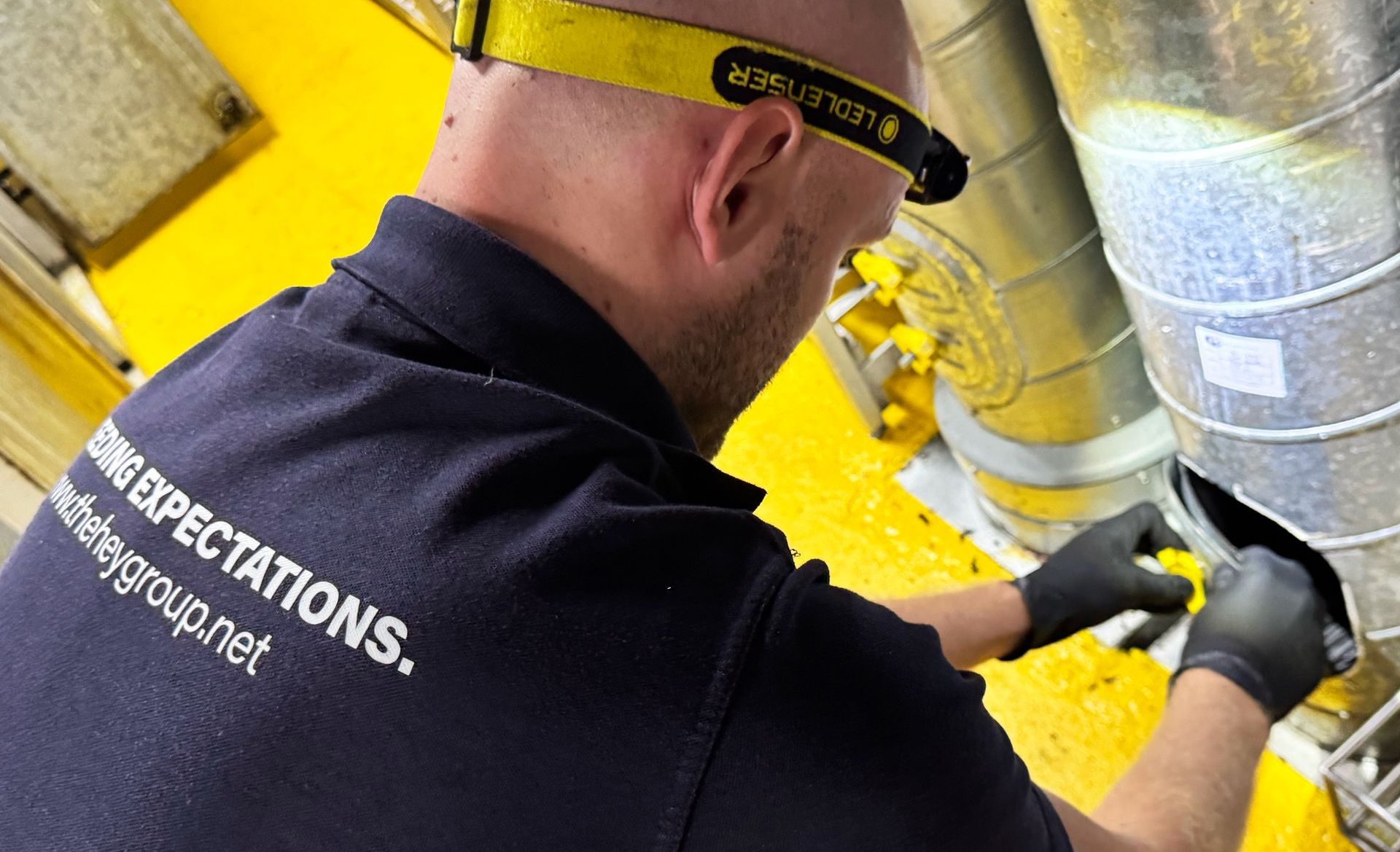
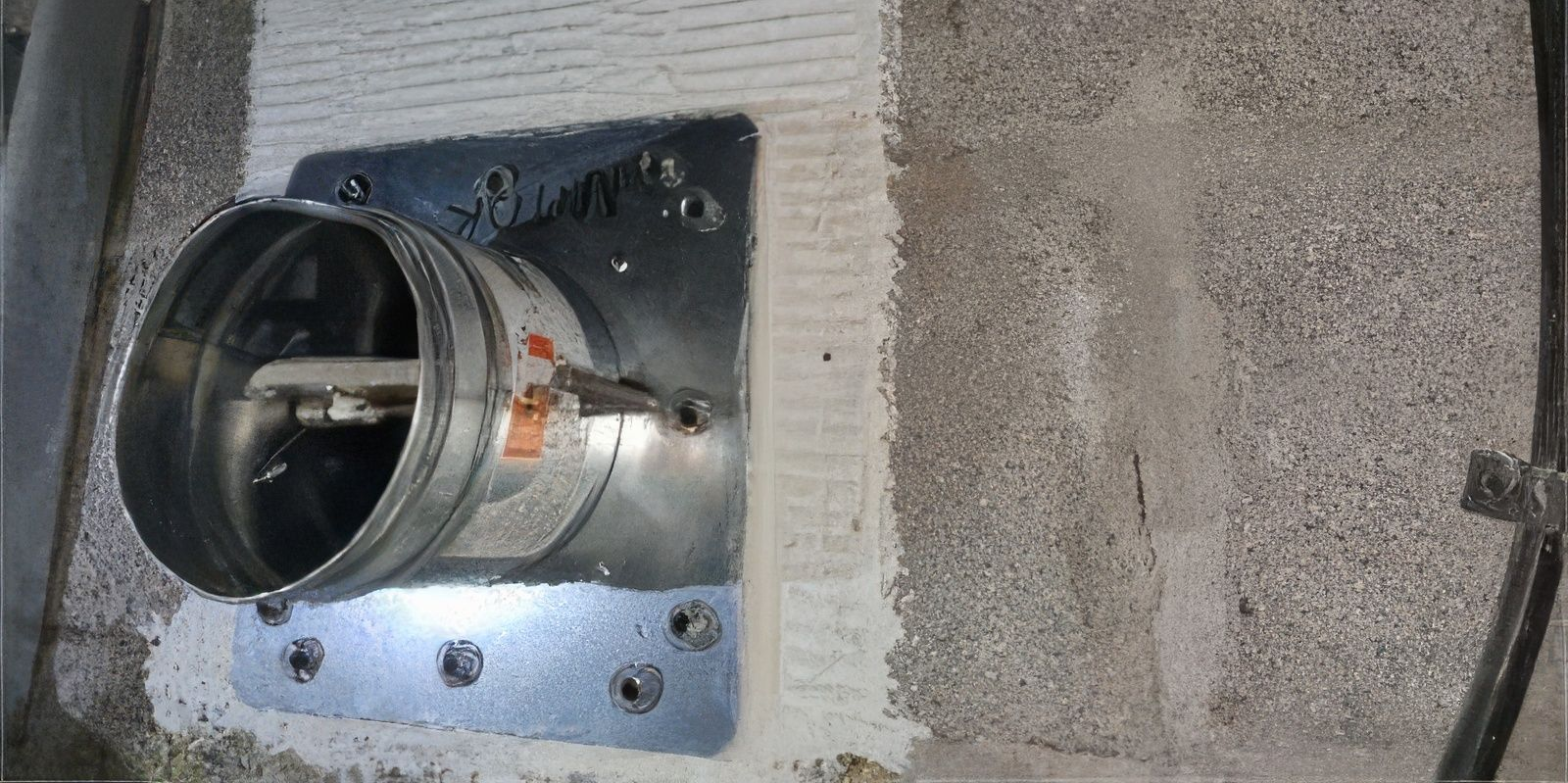
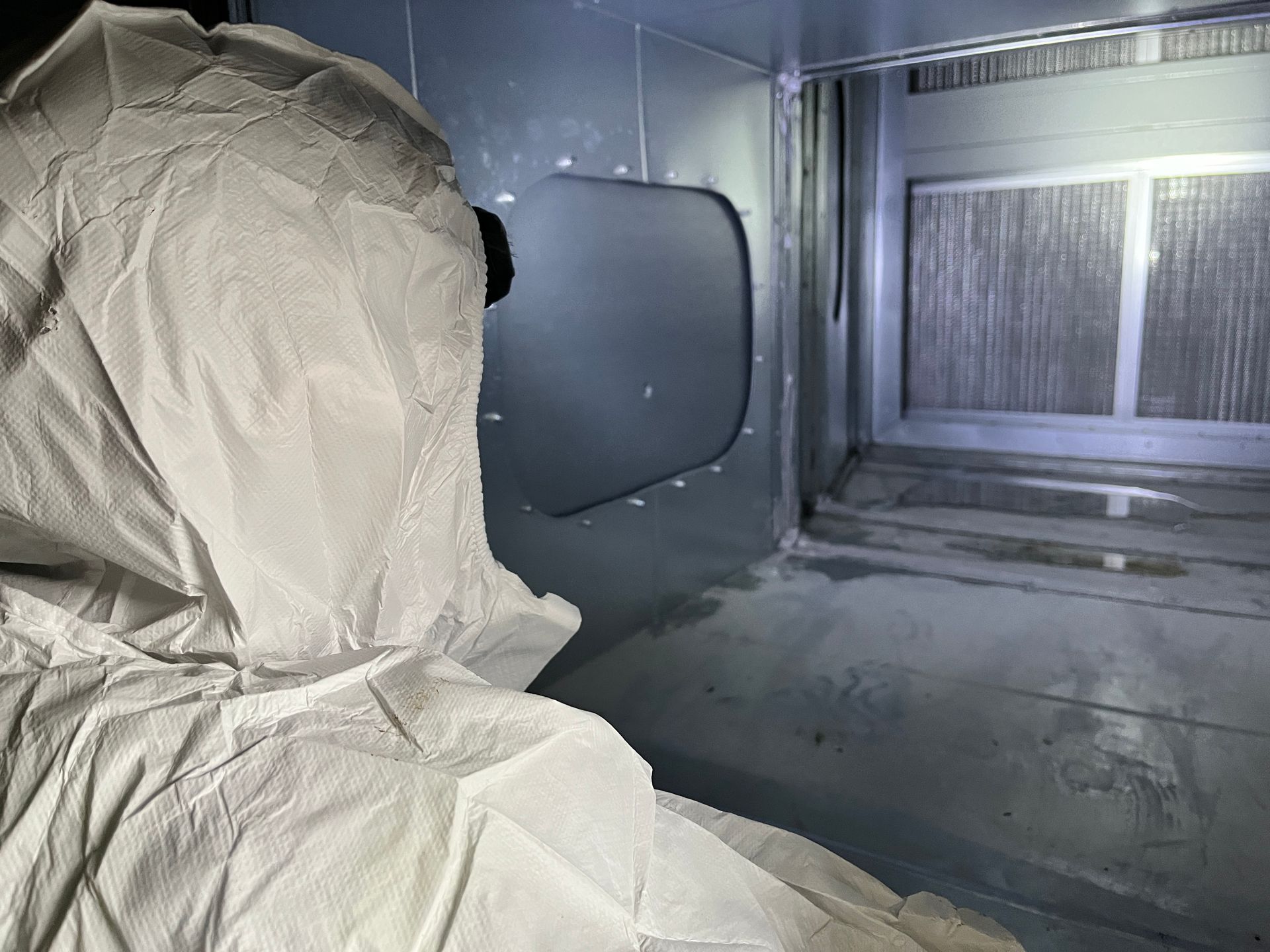
The methods used to clean a system are also laid out in TR19®. The full process includes the kitchen extract ductwork, the extraction fan, the kitchen canopy, and all reachable areas. Any inaccessible areas must be reached with new access panels.
To properly clean a system it is recommended that specialist chemical is used to first loosen the deposits on the surface before scraping and wiping away. Leaving the surface spotless, this not only boosts safety but stops the kitchen from emanating bad odours into the actual restaurant dining area - it can lead to bad reviews from customers if the smell is caused by bacteria on the grease.
Teams on-site must take well lit photos - before and after areas that have been cleaned to show clearly that grease/carbon has been removed and the systems safety has improved. Micron readings must also be taken.
By following these methods and timelines your system will be compliant with safety standards.
How To Structure Your Contract
It is essential to ensure your contract covers everything you need, ensuring your sites remain compliant with TR19® standards and openness with your chosen contractor.
The Contract should specify the following in detail:
Required work scope: Detail how much cleaning is required. It should specify filters, canopies, ductwork, risers, fans and discharge areas.
Frequency of Cleans: Specify the amount of cleans your require whether it's every 3, 6 or 12 months or even more frequently if necessary to ensure your site is safe. This should be clearly stated.
Accessibility: Ensure any inaccessible areas are dealt with - your contractor should specify which areas need attention
Verification of work completed: You must state clearly that photographs must be clear and taken from exactly the same point to ensure any grease removal/cleaning is visible and consistent. Extra photos can also be taken to ensure a thorough clean.
Report on work completed: Ensure a comprehensive report is completed for every clean of the system. This guarantees that you will be protected in the future if anything goes wrong. The requirements of what should be featured in a report are within TR19® guidelines.
Emergency work: If an urgent issue arises directly linked to the work carried out with the ductwork then it should be specified that the contractor returns to site in order to fix the issue as quickly as possible (only if related to the work carried out) - electrical faults or anything of that nature unrelated to cleaning should be carried out by maintenance or an electrician.
Whose responsible: It must be made clear who the responsible party is for isolating, ensuring full system access and restarting services following cleaning.
Certification And Ongoing Safety
Ensuring a system is clean and safe is not just a one-off job. It is essential for ongoing compliance with legal requirements. Ensure reports are regularly submitted following all cleans carried out on-site. This protected both yourself and the contractor making sure you are both adhering to what is legally required.
Contractors have to provide a comprehensive report of the work carried out including:
Before and After Pictures
Results of Micron Readings
A Summary of the work completed
Any access issues encountered and what is required
A report on overall hygiene levels and safety
These reports ensure a full guarantee of evidence. The evidence can be used for insurance and legal requirements and ensuring that you full within the law. They are your protection from legal difficulty and insurance liability.
The documented reports should be stored safely somewhere in dated folders - they should be checked after every job to ensure they fall within the specified remits of what has been laid out in the agreement between the contractor and restaurant/chain.
Peace of mind is always worth what these reports provide for legal and insurance purposes.
Why is grease in kitchen extract systems a fire hazard?
Deposits can set alight if a fire spreads upwards during cooking. The fires can come from fryers, open flame cooking and radiant heat. If a flame hits grease it can be really dangerous as it is extremely flammable. The fire brigade specifically mentions kitchen extract fires as one of the main callouts they recieve. An fire spreads through ductwork every 9 days on average.
What is the threshold for Micron readings?
TR19 makes clear that grease levels should be controlled effectively to ensure they do not exceed 200 microns. 200 microns is essentially the thickness of a credit card. If any level reading is above this then immediate attention is required to protect site safety.
How often should systems be cleaned?
Depending on system usage, a clean should be carried out at certain regular intervals. The recommended amount is every 3 months, 6 months or 12 months depending on how many hours the restaurant is open and how often cooking takes place. If a system is left standing then it accumulates high levels of grease which can be extremely dangerous.
What obligations are you required to follow?
The Regulatory Reform Order applies to all ductwork used by commercial kitchens and requires the people responsible to keep assessing the state of their kitchen extract and keeping the risk low with regular system cleaning. Greasy systems can be extremely hazardous and lead to fires spreading rapidly.
What do you need for insurance purposes?
Many insurance companies will check how often your kitchen extract is cleaned and will ask for reports to be provided so they have clear evidence that you are keeping your restaurant safe. Failure to keep a system fully safe could result in insurance policies being invalidated. You must ensure cleans are regularly completed and the reports provided are comprehensive and accurate.
Latest News