

OUR CHRISTMAS 2025 MEETING
April 15, 2026
Our Christmas 2025 Meeting
What are the benefits of a yearly summary meeting?
Each year, just before the Christmas period, we hold a “Year in Review” meeting to reflect on our annual performance and assess the progress we’ve made as a team. This end-of-year review provides a structured opportunity to evaluate our achievements, measure business impact, and align on priorities for the year ahead.
Each year, just before the Christmas period, we hold a “Year in Review” meeting to reflect on our annual performance and assess the progress we’ve made as a team. This end-of-year review provides a structured opportunity to evaluate our achievements, measure business impact, and align on priorities for the year ahead.
The session covers a full overview of the past twelve months, including new client contracts, key project milestones, and notable successes across the business. We highlight work we are particularly proud of, recognising both individual and team contributions that have helped drive results.
In addition to celebrating achievements, we review important business data and financial performance. This allows us to assess growth, track progress against objectives, and gain clear insight into how our work has contributed to overall company success. We also reflect on challenges faced throughout the year and the lessons learned, ensuring continuous improvement going forward.
Overall, the Year in Review meeting plays a vital role in strengthening team alignment, recognising success, and setting a clear strategic direction for the future.
Brent provides key operational updates, focusing on how we’ve improved the efficiency and delivery of work on the ground. Geoff then shares a broader business update, including performance insights and new ideas and opportunities for the year ahead. The rest of the team also contribute by sharing their individual updates, along with plans and suggestions for how we can continue to improve and develop moving forward.
Latest News
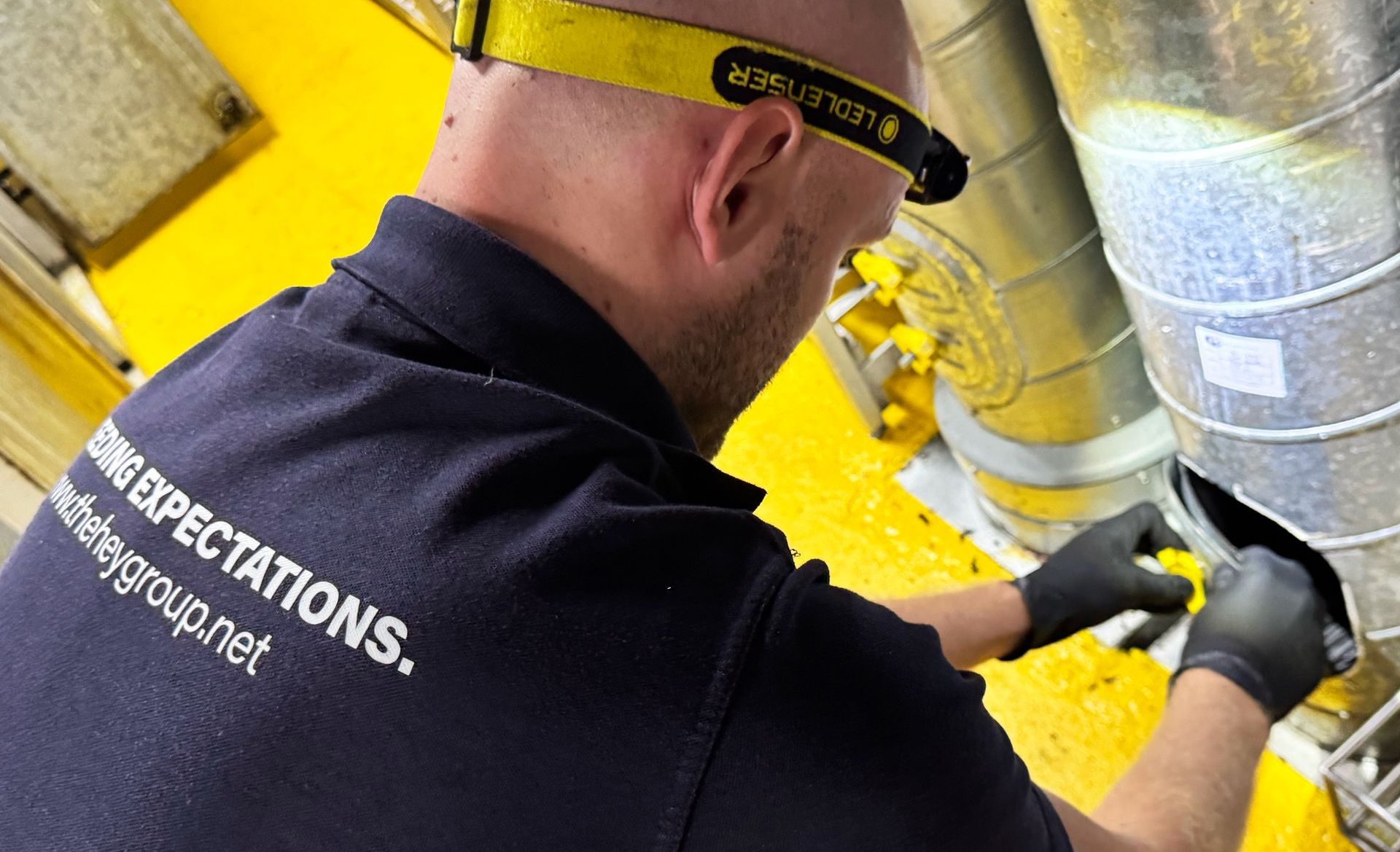
Fire Damper Testing vs Fire Damper Remedials: What’s the Difference?
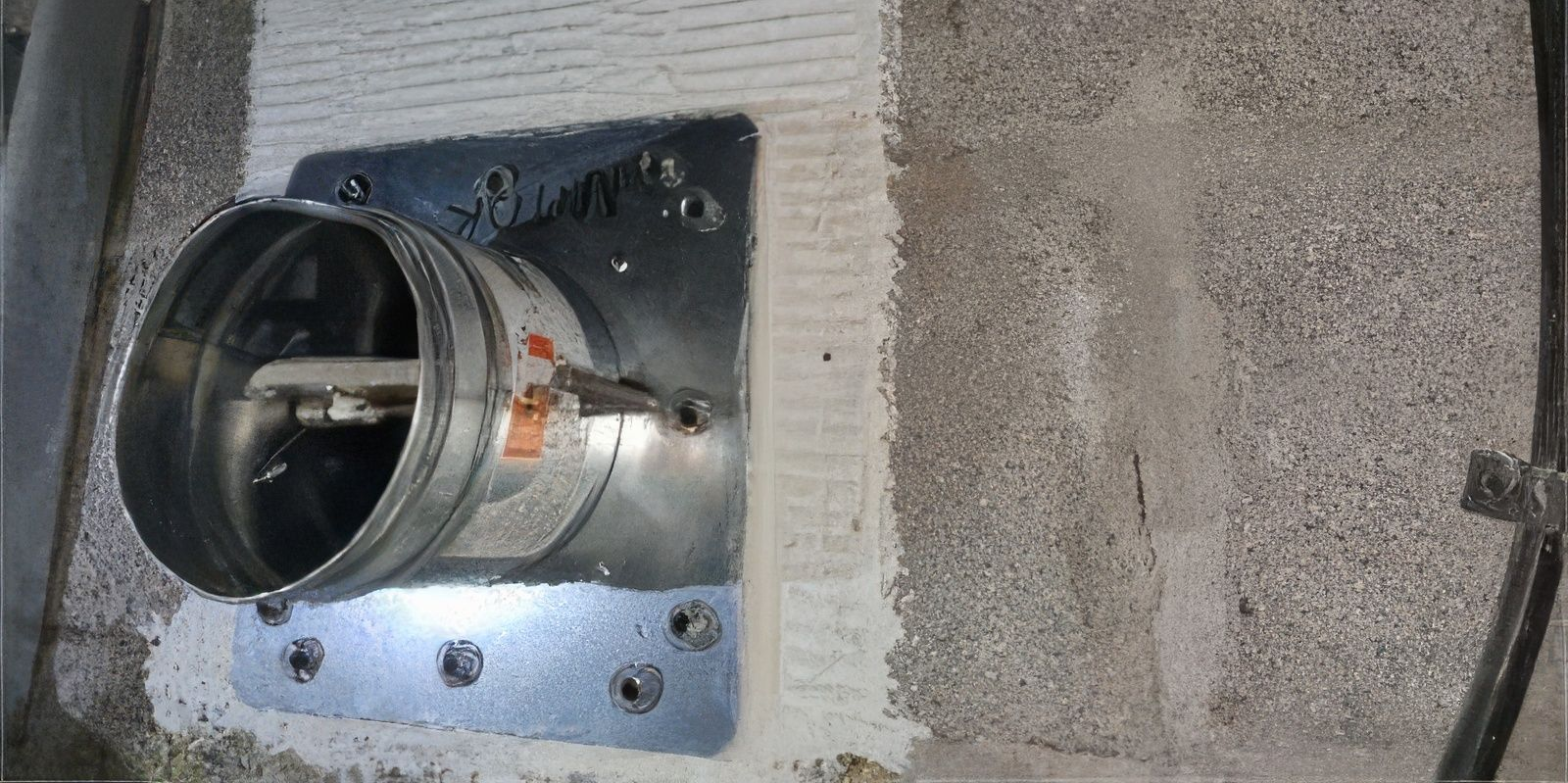
Why Fire Stopping Is Essential for Building Safety
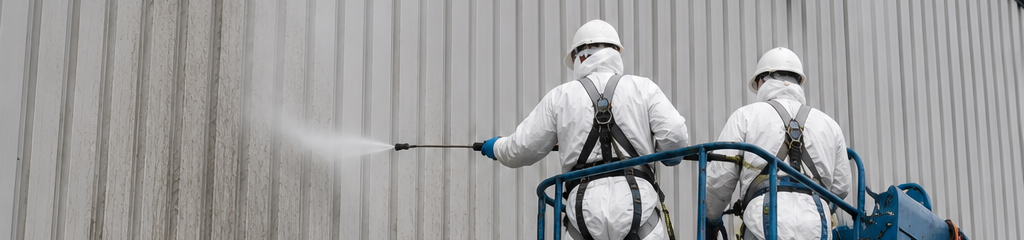
The Importance of Industrial High-Level Cleaning

PROUD TO CONTINUE OUR SPONSORSHIP OF WAKEFIELD TRINITY
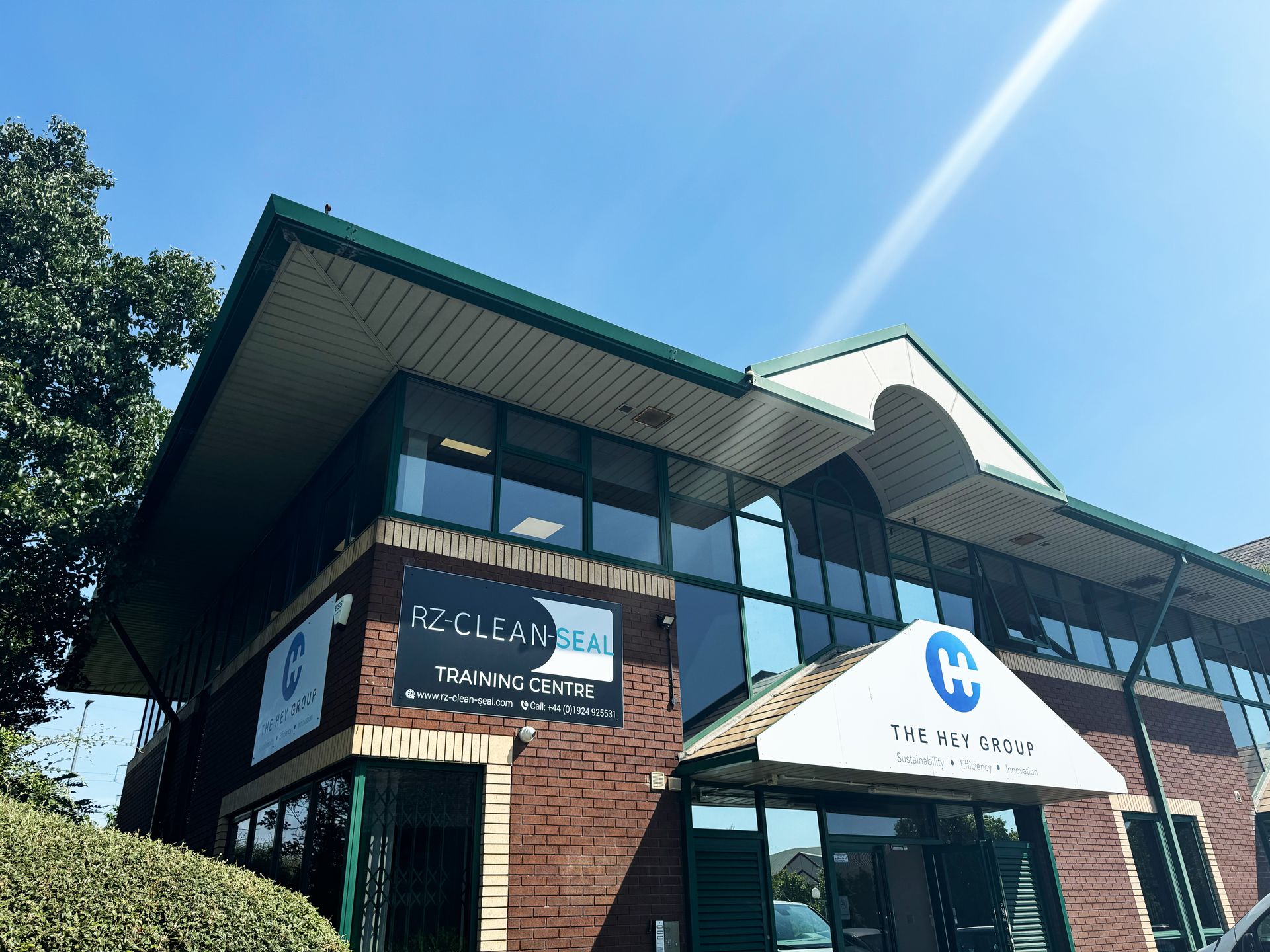
We are committed to supporting our local community across West Yorkshire. From donating new rugby kits to schools to collaborating with Wakefield College on live student projects, community engagement is a core part of what we do. Giving back is central to our business ethos. We believe in investing in the next generation by supporting education, providing opportunities, and helping young people develop real-world skills. As a responsible business, we prioritise ethical standards and best practices in everything we do. Our community initiatives reflect this commitment. We have also made a contribution to Wakefield College, funding departmental upgrades, new equipment, and the development of modern learning spaces. By working closely with local organisations and educational institutions, we aim to create lasting, positive impact where it matters most. As we move forward we intend to take part in more community projects and invest back into Wakefield's future. We will be bringing more updates soon.
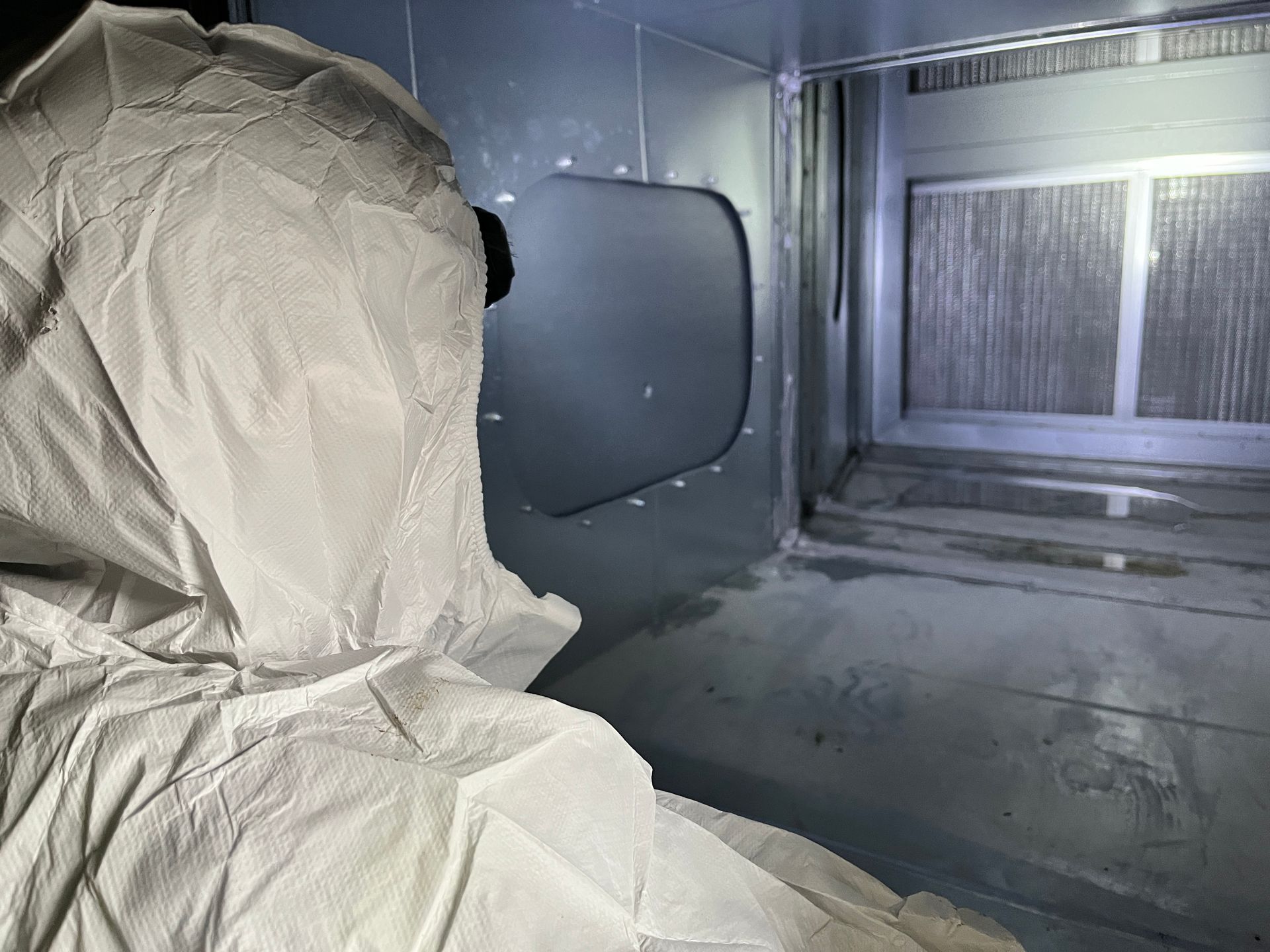
1. Skipping Regular Cleaning Failing to schedule routine cleaning allows dust, debris, and microbial build-up to accumulate. Consequences include: Reduced airflow and energy efficiency Poor indoor air quality Increased risk of system damage Tip: Establish a regular cleaning schedule based on system usage and manufacturer guidance. 2. Ignoring Inspection of Ductwork Ducts often conceal dirt, grease, and contaminants. Skipping inspections can result in: Hidden microbial growth Odours circulating throughout the building Reduced HVAC efficiency Tip: Include full duct inspections as part of every maintenance cycle. 3. Using Unqualified Contractors Hiring non-accredited or inexperienced technicians increases the risk of incomplete cleaning or non-compliance. Tip: Always use accredited professionals (VHR, BESA, SafeContractor, EVHA) for duct and HVAC cleaning. 4. Neglecting Documentation Proper records of cleaning and maintenance are crucial for: Regulatory compliance (TR19® and health & safety) Insurance claims Audits and inspections Tip: Request detailed reports with before-and-after photos and certificates from your contractor. 5. Overlooking Filter Maintenance Dirty or improperly maintained filters can: Circulate dust and allergens Reduce system efficiency Increase energy costs Tip: Replace or clean filters according to manufacturer and TR19® recommendations. 6. Waiting for Problems to Occur Reactive maintenance is risky and costly. Systems left until failure can cause: Unexpected downtime Expensive emergency repairs Compromised air quality Tip: Implement preventive maintenance plans to reduce risk and costs. 7. Ignoring Seasonal Challenges Changes in temperature and humidity can accelerate microbial growth and dust accumulation. Not adapting maintenance accordingly may lead to: Odours and poor air quality Reduced HVAC performance Staff and visitor discomfort Tip: Schedule seasonal inspections to mitigate environmental impacts. 8. DIY Cleaning Attempts Attempting to clean ductwork yourself is often ineffective and dangerous: Risk of injury Incomplete cleaning May void compliance and insurance coverage Tip: Always rely on certified specialists for safe, effective cleaning. 9. Failing to Address Moisture and Condensation Moisture in ducts promotes mould and bacterial growth. Ignoring this can lead to: Health risks for occupants Unpleasant odours System degradation Tip: Inspect for leaks and condensation regularly and address issues immediately. 10. Underestimating the Impact on Health and Comfort Poor duct and HVAC hygiene affects everyone who enters your building: Staff may experience respiratory issues or fatigue Customers and visitors notice poor air quality Reputation and trust can suffer Tip: Maintain clean systems to ensure a safe, comfortable, and healthy environment.

Kitchen Extract Cleaning Frequency Regular cleaning of kitchen extract and HVAC (heating, ventilation, and air conditioning) systems is essential for fire safety, compliance, air quality, and system efficiency. The frequency of cleaning depends on usage, environment, and industry standards such as TR19®. Kitchen extract systems accumulate grease quickly, making them one of the highest-risk areas for fire. According to TR19® guidelines, cleaning frequency should be based on usage levels: Heavy Use (12–16 hours per day): Every 3 months Moderate Use (6–12 hours per day): Every 6 months Light Use (2–6 hours per day): Every 12 months Low Use (less than 2 hours per day): Every 12–24 months Regular cleaning removes grease build-up and reduces the risk of fire, ensuring compliance with fire safety and insurance requirements. HVAC System Cleaning Frequency HVAC systems do not accumulate grease like kitchen extracts, but they still collect dust, debris, and contaminants that affect performance and air quality. Typical cleaning and maintenance schedules include: Air filters: Every 1–3 months Kitchen Extract Ductwork cleaning: 3, 6 or 12 months depending on usage Full system inspection: Annually Businesses with high occupancy, dust levels, or sensitive environments (such as healthcare or food production) may require more frequent cleaning. Factors That Affect Cleaning Frequency Several factors determine how often systems should be cleaned: Type of business: Restaurants require more frequent cleaning than offices Usage levels: Higher usage leads to faster build-up Environment: Dust, grease, and humidity increase contamination Regulatory requirements: Compliance with TR19® and health and safety laws System performance: Reduced airflow or efficiency may indicate cleaning is needed Why Regular Cleaning Matters Failing to clean ventilation systems at the correct intervals can lead to: Increased fire risk from grease accumulation Poor indoor air quality affecting staff and customers Reduced system efficiency and higher energy costs Regulatory non-compliance and potential fines Insurance issues due to lack of maintenance records Routine cleaning helps maintain safe, efficient, and compliant systems. The Importance of Professional, Documented Cleaning Working with accredited contractors ensures that cleaning is carried out to recognised standards and properly documented. This provides: Evidence for compliance and inspections Support for insurance claims A clear audit trail of maintenance Professional services ensure systems are cleaned safely, thoroughly, and in line with industry best practices.

Ensures Regulatory Compliance In the UK, businesses must comply with TR19® ventilation standards, fire safety regulations, and health and safety laws. Documented evidence demonstrates that: Ventilation systems have been regularly cleaned and maintained Work is performed by qualified, accredited contractors Compliance can be verified during inspections or audits Without proper records, businesses may fail inspections or be penalised for non-compliance. Protects Against Insurance Claims Most insurers require proof of regular maintenance for commercial ventilation systems. Documented cleaning: Supports insurance claims in the event of fire, property damage, or health incidents Prevents claims from being denied due to “lack of maintenance” Reduces potential financial exposure for the business Proper records provide peace of mind and demonstrate proactive risk management. Provides Accountability and Traceability Documented reports include: Details of cleaning methods and processes Before-and-after photos of ductwork or extract systems Inspection results and any corrective actions taken These reports create a clear audit trail, showing that the business took all necessary steps to maintain safety and hygiene. Highlights the Value of Accredited Contractors Using accredited contractors like VHR, BESA, or SafeContractor-certified providers ensures that documentation: Meets industry and regulatory standards Is detailed, reliable, and auditable Includes certificates or accreditation confirmation for compliance records Professional documentation reinforces credibility with inspectors, insurers, and stakeholders. Supports Staff, Customer, and Visitor Safety Documented evidence isn’t just about compliance—it also protects the people who occupy your building. Records show that ventilation hygiene is: Regularly monitored and maintained Conducted according to industry best practices Effective at reducing risks of poor air quality, fire, or microbial growth This gives employees, customers, and visitors confidence in the safety of your premises.

Why Summer Ventilation Maintenance Matters Increased Dust and Pollen: Open windows and higher air movement can introduce dust and pollen, affecting indoor air quality. Humidity and Microbial Growth: Warm, humid conditions encourage bacteria, mold, and fungal growth in ventilation ducts and indoor surfaces. Higher System Usage: Cooling systems and fans run more frequently, accumulating dust, grease, and debris faster. Regular cleaning prevents these issues and ensures your systems operate efficiently throughout the season. Protect Staff and Visitors Summer heat combined with poor air circulation can: Trigger allergies, respiratory issues, and headaches Increase fatigue and reduce productivity Cause discomfort for visitors and staff in commercial spaces Maintaining clean air and well-ventilated spaces promotes a healthy, comfortable environment. Improve Efficiency and Reduce Costs Clean ventilation systems circulate air more effectively, reducing energy consumption for air conditioning and cooling. Regular maintenance prevents system breakdowns and costly repairs during peak summer usage. Efficient systems prolong equipment lifespan and save on operational expenses. Reduce Odours and Maintain Hygiene Summer temperatures can amplify odors from kitchens, waste areas, or accumulated dust. Routine cleaning: Removes grease, dirt, and microbial buildup Eliminates stale air and unpleasant smells Enhances overall indoor hygiene for staff, customers, and visitors Work with Accredited Specialists Using accredited contractors ensures summer maintenance is safe, compliant, and effective: VHR, BESA, and SafeContractor accreditation guarantees industry-standard cleaning Documented reports help satisfy TR19 compliance and insurance requirements Specialist contractors like Hey Service Group provide efficient, thorough cleaning with minimal disruption to business operations

Reduce Energy Costs Dirty ducts, fans, and filters make ventilation systems work harder, increasing energy consumption. Regular cleaning and maintenance by specialists: Improves airflow and system efficiency Reduces electricity and gas bills Ensures HVAC systems operate at optimal capacity A clean, well-maintained system uses less energy, which directly translates into significant cost savings over time. Prevent Expensive Repairs and Equipment Replacement Grease, dust, and debris can damage motors, fans, and ductwork. Left unchecked, this leads to: Premature equipment failure Costly repairs or replacements Downtime that disrupts operations Specialist contractors provide thorough cleaning and inspection, identifying potential problems before they become costly emergencies. Avoid Regulatory Fines and Insurance Issues Using accredited ventilation cleaning services ensures compliance with TR19® standards, fire safety regulations, and health and safety law. Failure to maintain systems can result in: Regulatory fines and enforcement notices Rejected insurance claims Legal liability for accidents or fire Maintaining compliance prevents unexpected costs and financial risks. Minimise Operational Disruption Regular professional maintenance prevents breakdowns and system failures that could interrupt business operations. Specialist contractors offer: Scheduled cleaning with minimal disruption Emergency support for urgent issues Efficient service that keeps your business running smoothly Reducing downtime saves money by avoiding lost productivity and operational delays. Extend System Lifespan Routine ventilation cleaning and maintenance prolongs the life of your HVAC and duct systems. This reduces the need for frequent replacements, saving businesses thousands in capital expenditure over time. Benefits of Using Accredited Specialists Choosing VHR, SafeContractor, or BESA-accredited contractors ensures: Work is performed to industry standards Full documentation for compliance, audits, and insurance Safe and efficient cleaning practices that protect your staff, customers, and property Specialist contractors like Hey Service Group combine expertise with professional standards to deliver long-term savings and peace of mind.