
KEEPING YOUR VENTILATION AND INDOOR AREAS CLEAN IN SUMMER
April 2, 2026
Keeping Your Ventilation and Indoor Areas Clean in Summer
Why Summer Ventilation Maintenance Matters
Increased Dust and Pollen: Open windows and higher air movement can introduce dust and pollen, affecting indoor air quality.
Humidity and Microbial Growth: Warm, humid conditions encourage bacteria, mold, and fungal growth in ventilation ducts and indoor surfaces.
Higher System Usage: Cooling systems and fans run more frequently, accumulating dust, grease, and debris faster.
Regular cleaning prevents these issues and ensures your systems operate efficiently throughout the season.
Protect Staff and Visitors
Summer heat combined with poor air circulation can:
- Trigger allergies, respiratory issues, and headaches
- Increase fatigue and reduce productivity
- Cause discomfort for visitors and staff in commercial spaces
Maintaining clean air and well-ventilated spaces promotes a healthy, comfortable environment.
Improve Efficiency and Reduce Costs
- Clean ventilation systems circulate air more effectively, reducing energy consumption for air conditioning
and cooling. - Regular maintenance prevents system breakdowns and costly repairs during peak summer usage.
- Efficient systems prolong equipment lifespan and save on operational expenses.
Reduce Odours and Maintain Hygiene
Summer temperatures can amplify odors from kitchens, waste areas, or accumulated dust. Routine cleaning:
- Removes grease, dirt, and microbial buildup
- Eliminates stale air and unpleasant smells
- Enhances overall indoor hygiene for staff, customers, and visitors
Work with Accredited Specialists
Using accredited contractors ensures summer maintenance is safe, compliant, and effective:
- VHR, BESA, and SafeContractor accreditation guarantees industry-standard cleaning
- Documented reports help satisfy TR19 compliance and insurance requirements
- Specialist contractors like Hey Service Group provide efficient, thorough cleaning with minimal disruption to business operations
Latest News
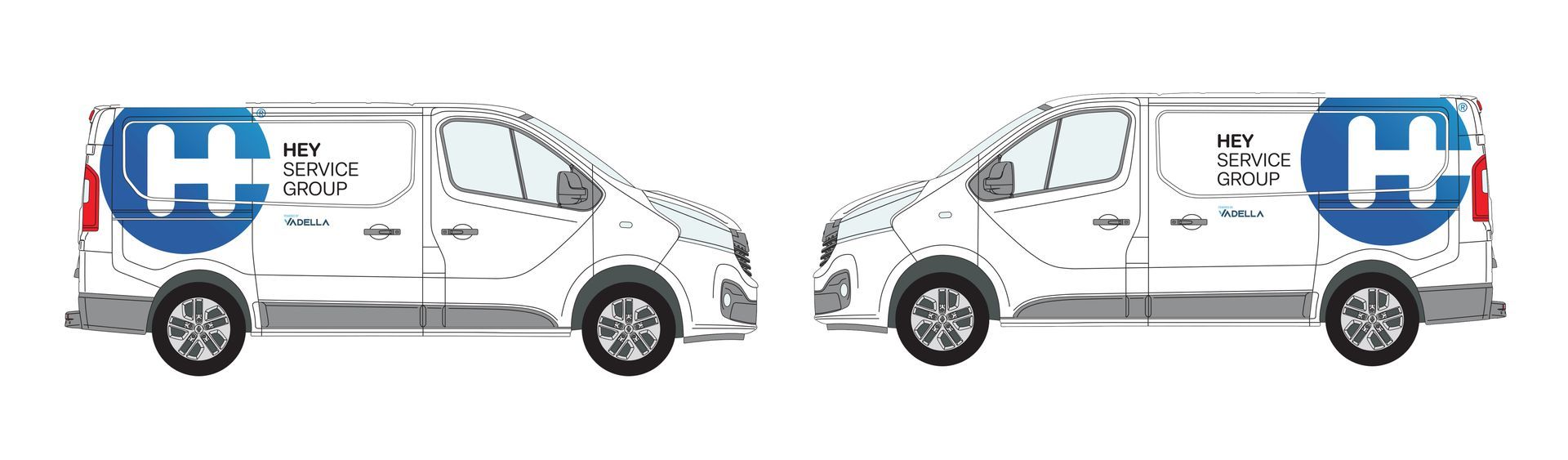
NEW VANS COMING SOON! 🚐
HEY Service Group Joins Vadella – An Exciting New Chapter
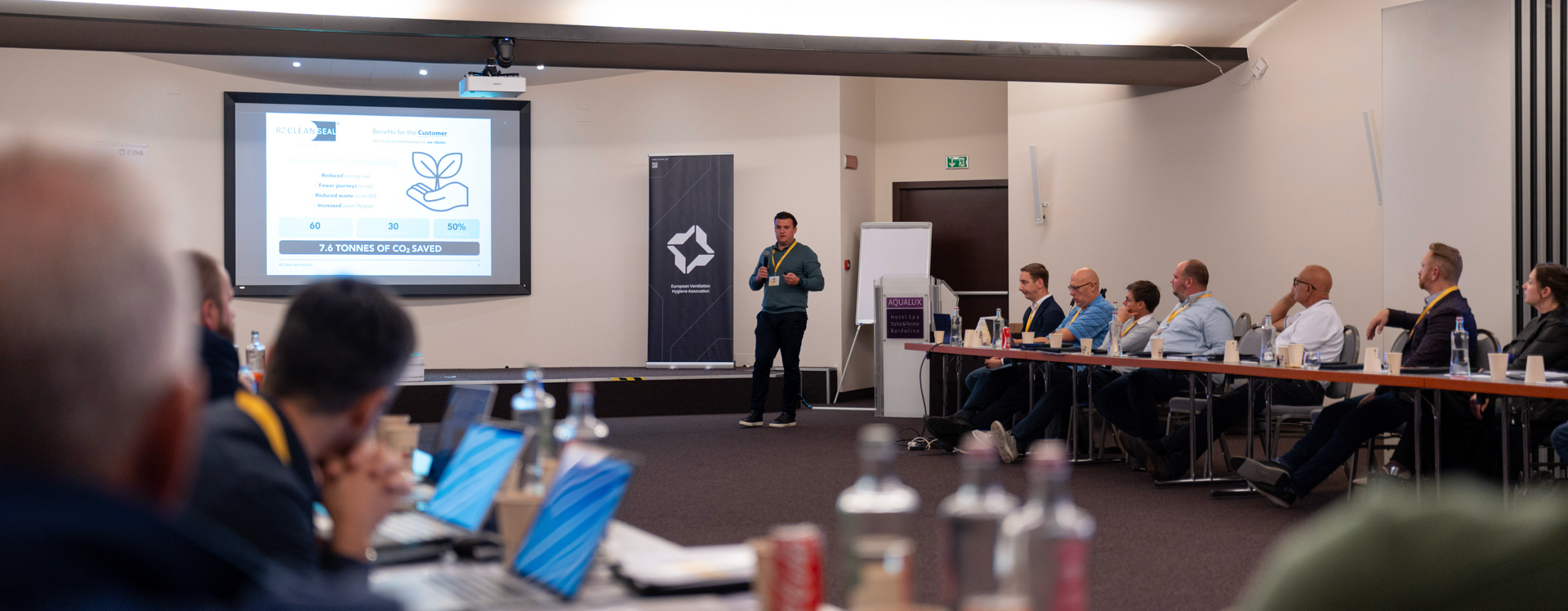
Jake Attends EVHA Meeting at Lake Garda, Italy
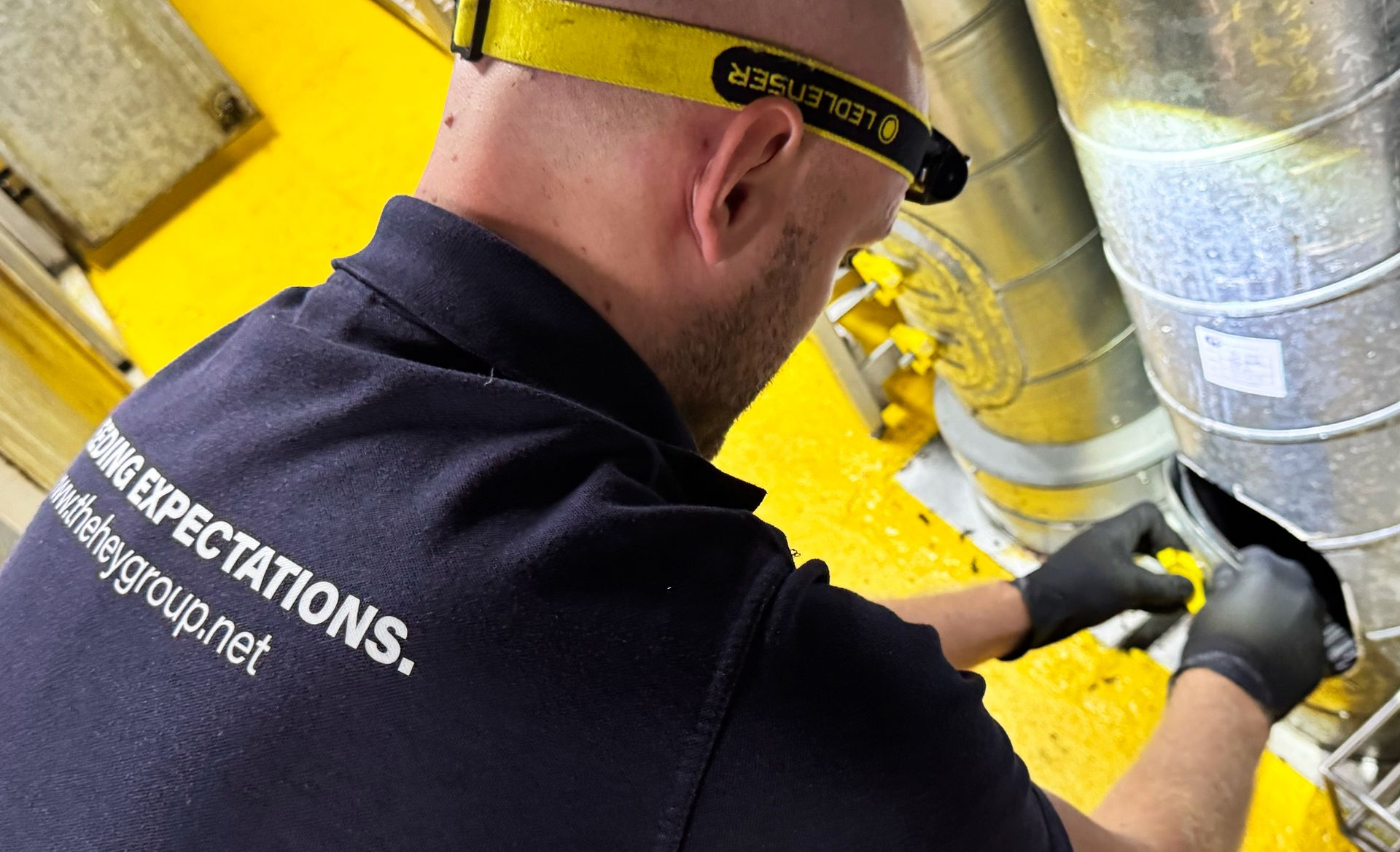
Fire Damper Testing vs Fire Damper Remedials: What’s the Difference?
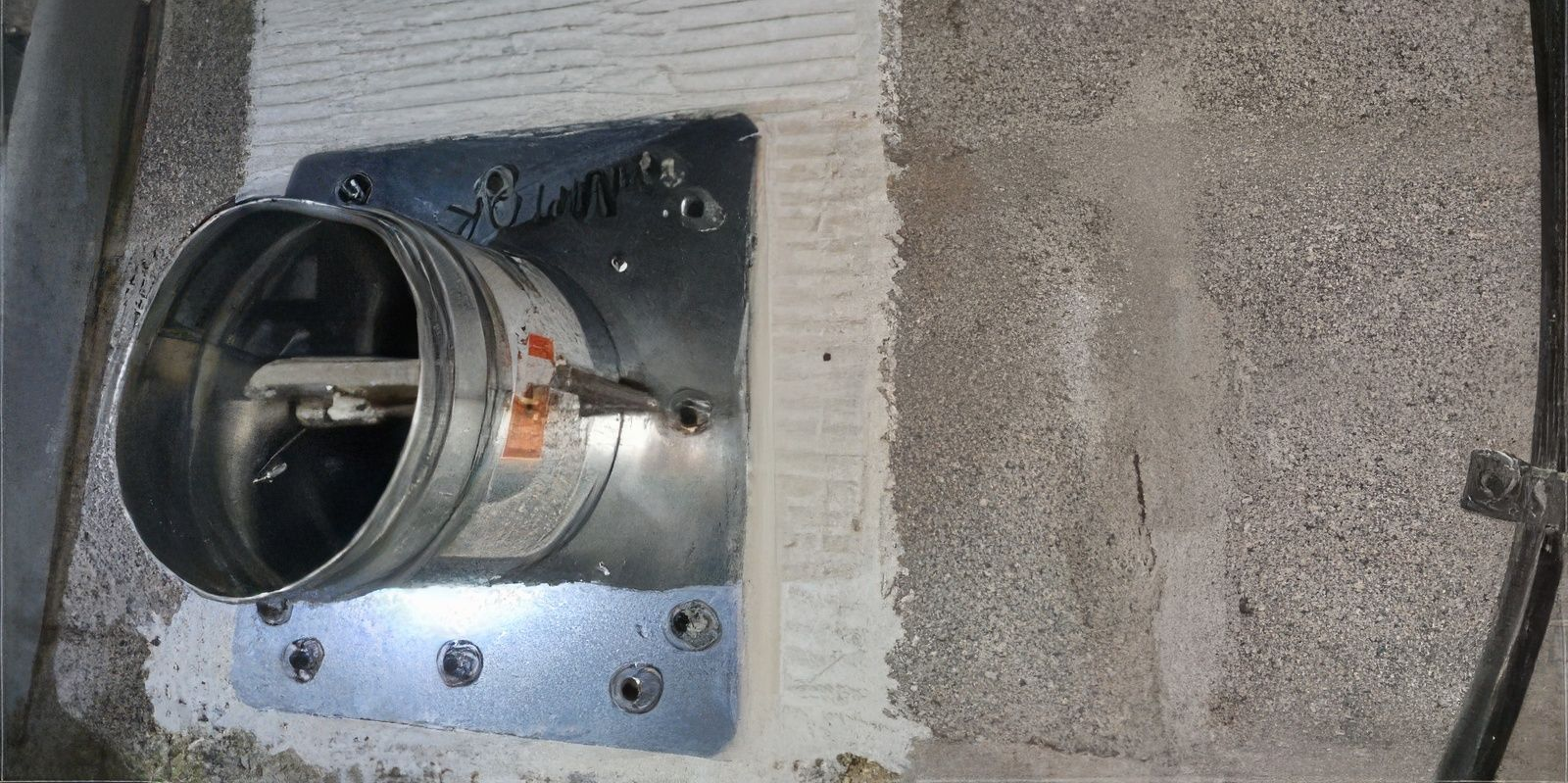
Why Fire Stopping Is Essential for Building Safety
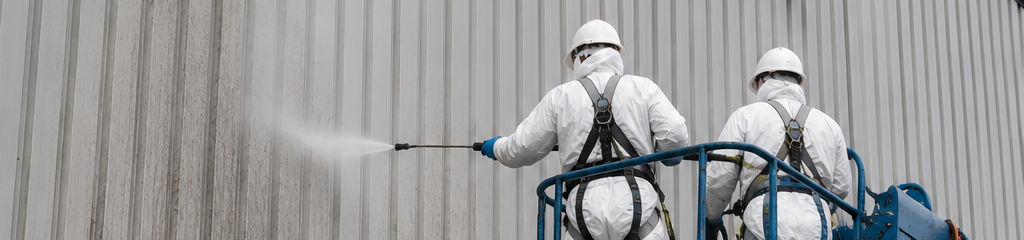
The Importance of Industrial High-Level Cleaning

PROUD TO CONTINUE OUR SPONSORSHIP OF WAKEFIELD TRINITY
We are committed to supporting our local community across West Yorkshire. From donating new rugby kits to schools to collaborating with Wakefield College on live student projects, community engagement is a core part of what we do. Giving back is central to our business ethos. We believe in investing in the next generation by supporting education, providing opportunities, and helping young people develop real-world skills. As a responsible business, we prioritise ethical standards and best practices in everything we do. Our community initiatives reflect this commitment. We have also made a contribution to Wakefield College, funding departmental upgrades, new equipment, and the development of modern learning spaces. By working closely with local organisations and educational institutions, we aim to create lasting, positive impact where it matters most. As we move forward we intend to take part in more community projects and invest back into Wakefield's future. We will be bringing more updates soon.
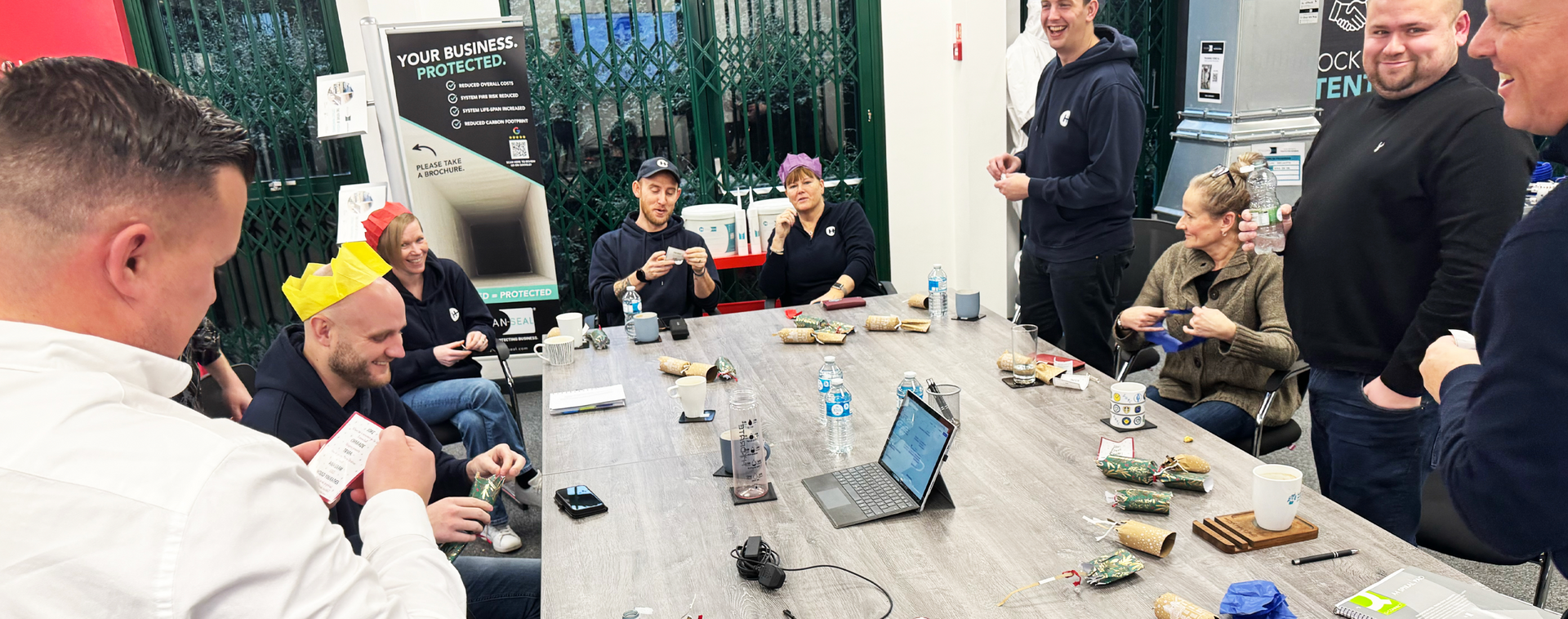
What are the benefits of a yearly summary meeting? Each year, just before the Christmas period, we hold a “Year in Review” meeting to reflect on our annual performance and assess the progress we’ve made as a team. This end-of-year review provides a structured opportunity to evaluate our achievements, measure business impact, and align on priorities for the year ahead. The session covers a full overview of the past twelve months, including new client contracts, key project milestones, and notable successes across the business. We highlight work we are particularly proud of, recognising both individual and team contributions that have helped drive results. In addition to celebrating achievements, we review important business data and financial performance. This allows us to assess growth, track progress against objectives, and gain clear insight into how our work has contributed to overall company success. We also reflect on challenges faced throughout the year and the lessons learned, ensuring continuous improvement going forward. Overall, the Year in Review meeting plays a vital role in strengthening team alignment, recognising success, and setting a clear strategic direction for the future. Brent provides key operational updates, focusing on how we’ve improved the efficiency and delivery of work on the ground. Geoff then shares a broader business update, including performance insights and new ideas and opportunities for the year ahead. The rest of the team also contribute by sharing their individual updates, along with plans and suggestions for how we can continue to improve and develop moving forward.
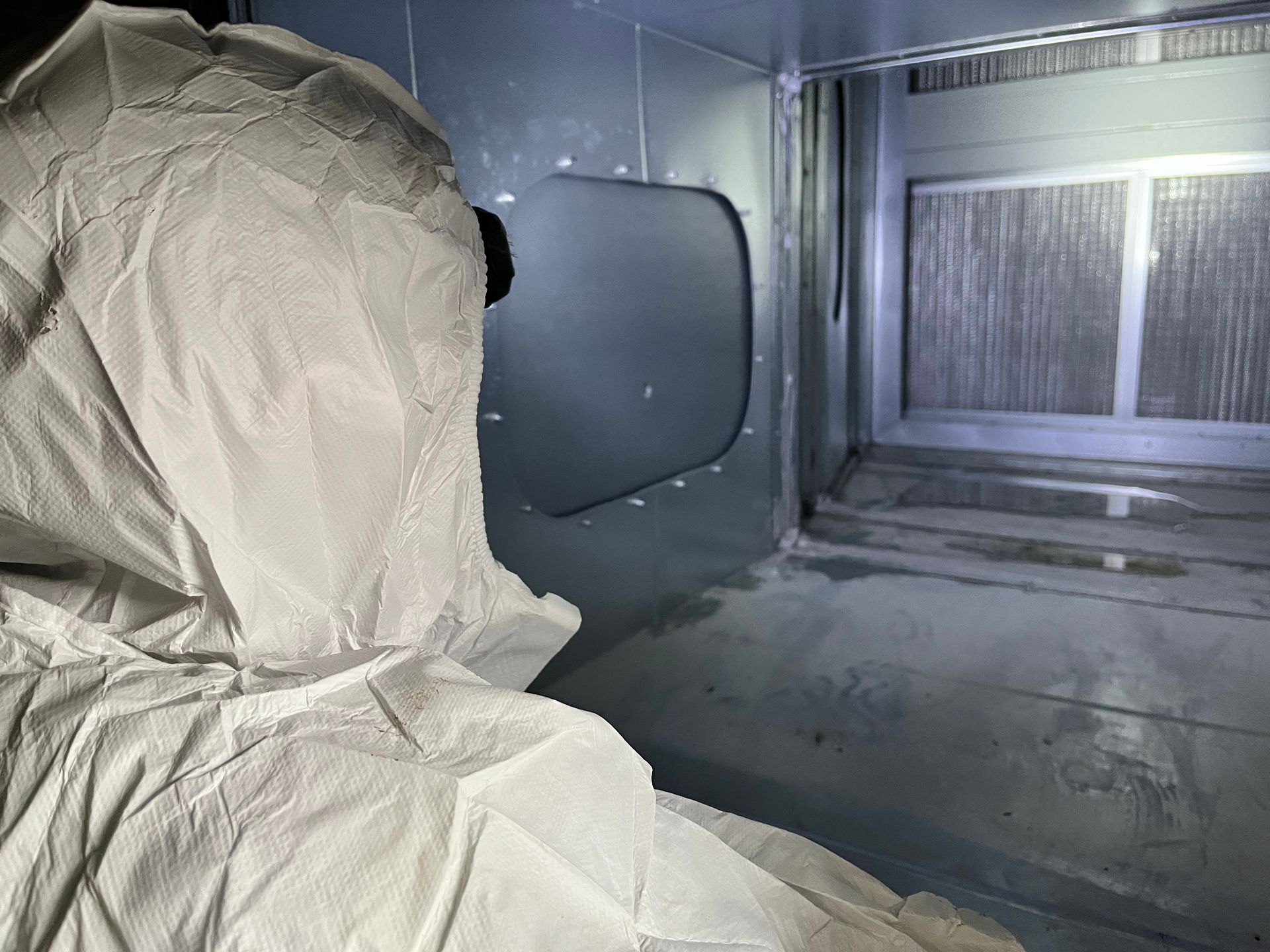
1. Skipping Regular Cleaning Failing to schedule routine cleaning allows dust, debris, and microbial build-up to accumulate. Consequences include: Reduced airflow and energy efficiency Poor indoor air quality Increased risk of system damage Tip: Establish a regular cleaning schedule based on system usage and manufacturer guidance. 2. Ignoring Inspection of Ductwork Ducts often conceal dirt, grease, and contaminants. Skipping inspections can result in: Hidden microbial growth Odours circulating throughout the building Reduced HVAC efficiency Tip: Include full duct inspections as part of every maintenance cycle. 3. Using Unqualified Contractors Hiring non-accredited or inexperienced technicians increases the risk of incomplete cleaning or non-compliance. Tip: Always use accredited professionals (VHR, BESA, SafeContractor, EVHA) for duct and HVAC cleaning. 4. Neglecting Documentation Proper records of cleaning and maintenance are crucial for: Regulatory compliance (TR19® and health & safety) Insurance claims Audits and inspections Tip: Request detailed reports with before-and-after photos and certificates from your contractor. 5. Overlooking Filter Maintenance Dirty or improperly maintained filters can: Circulate dust and allergens Reduce system efficiency Increase energy costs Tip: Replace or clean filters according to manufacturer and TR19® recommendations. 6. Waiting for Problems to Occur Reactive maintenance is risky and costly. Systems left until failure can cause: Unexpected downtime Expensive emergency repairs Compromised air quality Tip: Implement preventive maintenance plans to reduce risk and costs. 7. Ignoring Seasonal Challenges Changes in temperature and humidity can accelerate microbial growth and dust accumulation. Not adapting maintenance accordingly may lead to: Odours and poor air quality Reduced HVAC performance Staff and visitor discomfort Tip: Schedule seasonal inspections to mitigate environmental impacts. 8. DIY Cleaning Attempts Attempting to clean ductwork yourself is often ineffective and dangerous: Risk of injury Incomplete cleaning May void compliance and insurance coverage Tip: Always rely on certified specialists for safe, effective cleaning. 9. Failing to Address Moisture and Condensation Moisture in ducts promotes mould and bacterial growth. Ignoring this can lead to: Health risks for occupants Unpleasant odours System degradation Tip: Inspect for leaks and condensation regularly and address issues immediately. 10. Underestimating the Impact on Health and Comfort Poor duct and HVAC hygiene affects everyone who enters your building: Staff may experience respiratory issues or fatigue Customers and visitors notice poor air quality Reputation and trust can suffer Tip: Maintain clean systems to ensure a safe, comfortable, and healthy environment.