

THE IMPORTANCE OF HIGH-LEVEL CLEANING
The Importance of Industrial High-Level Cleaning
In industrial environments, some of the most difficult areas to clean are also the easiest to overlook.
Warehouse rafters, steelwork, roof spaces, pipework, ventilation systems, cable trays, high-level ledges and the tops of machinery can all collect dust, dirt and debris over time. Because these areas are often out of sight and difficult to access, they may not form part of routine cleaning schedules.
For factories, warehouses, manufacturing plants and other industrial facilities, high-level cleaning should therefore form an important part of a planned maintenance programme.
What is industrial high-level cleaning?
Industrial high-level cleaning involves removing dust, dirt and contamination from areas that cannot normally be reached safely from floor level.
This can include:
- Roof trusses and structural steelwork
- Beams and rafters
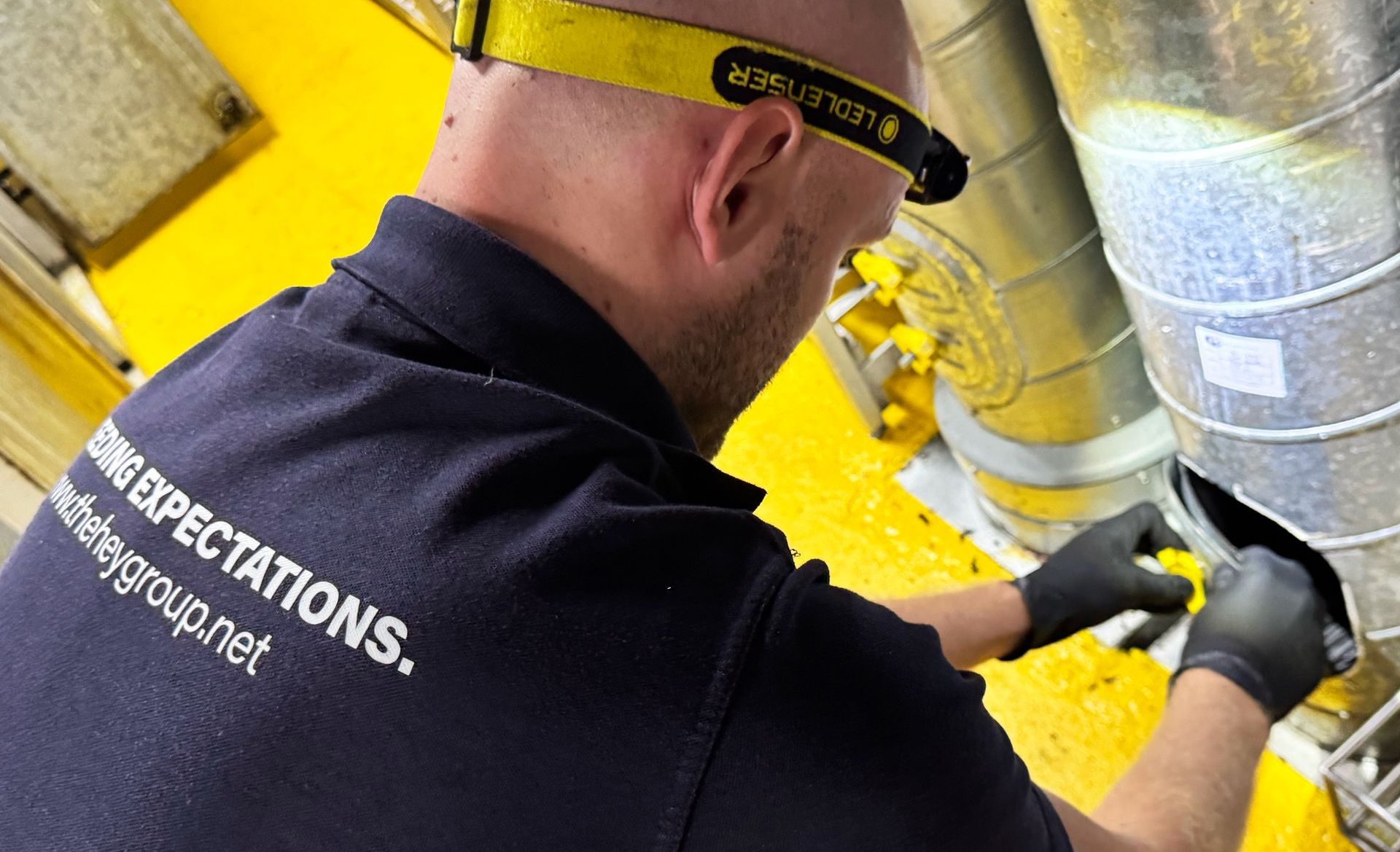
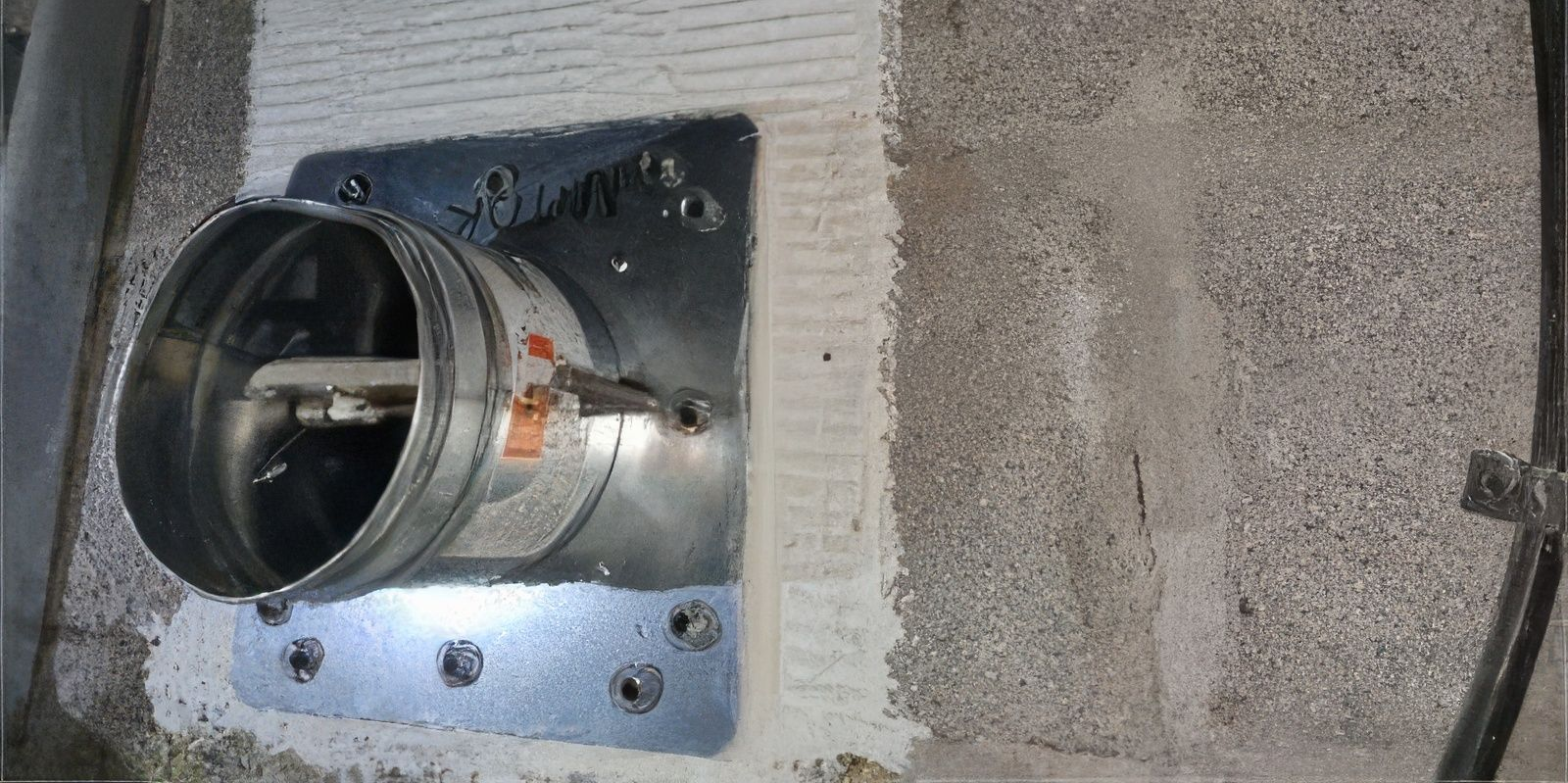
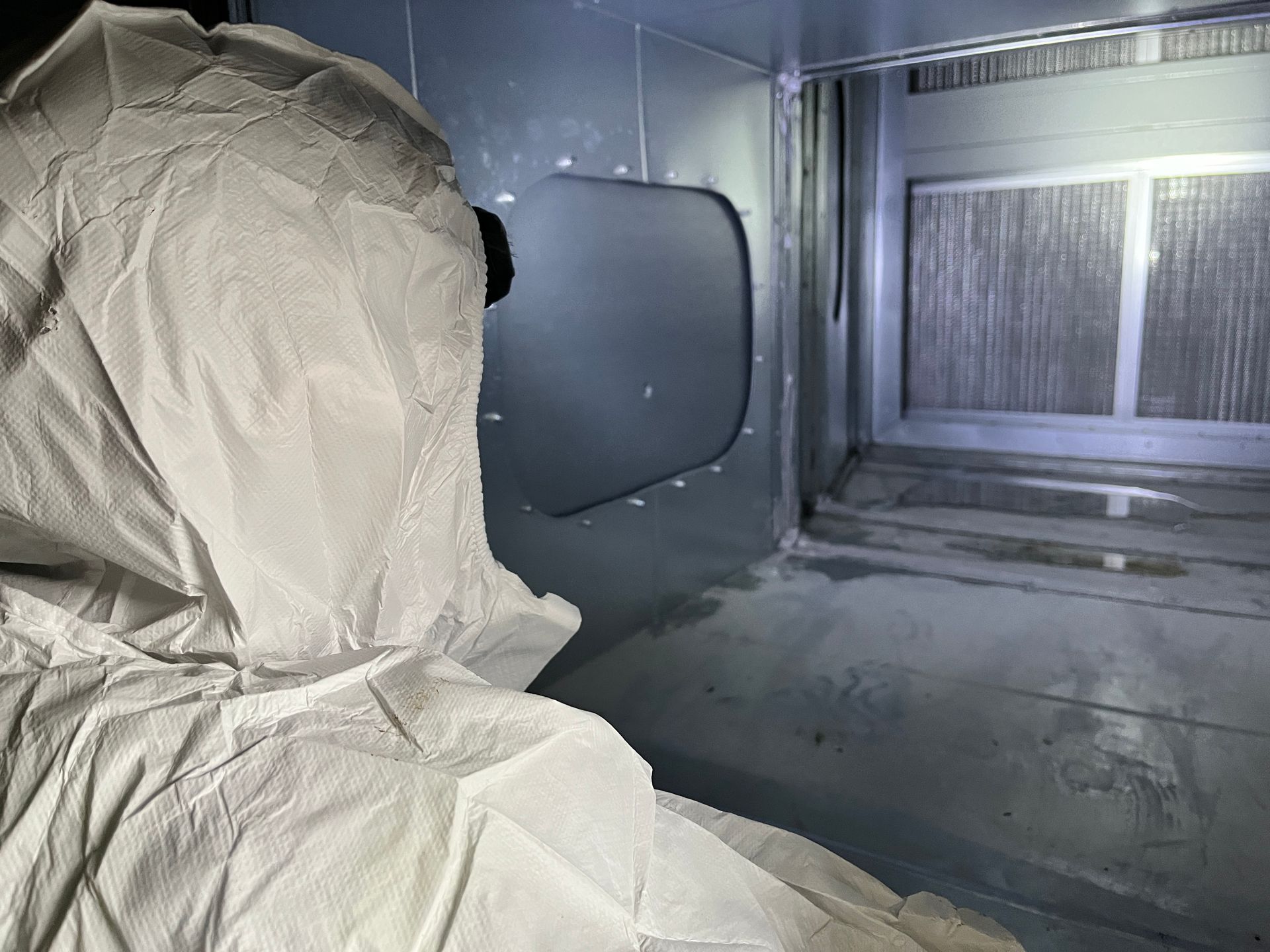
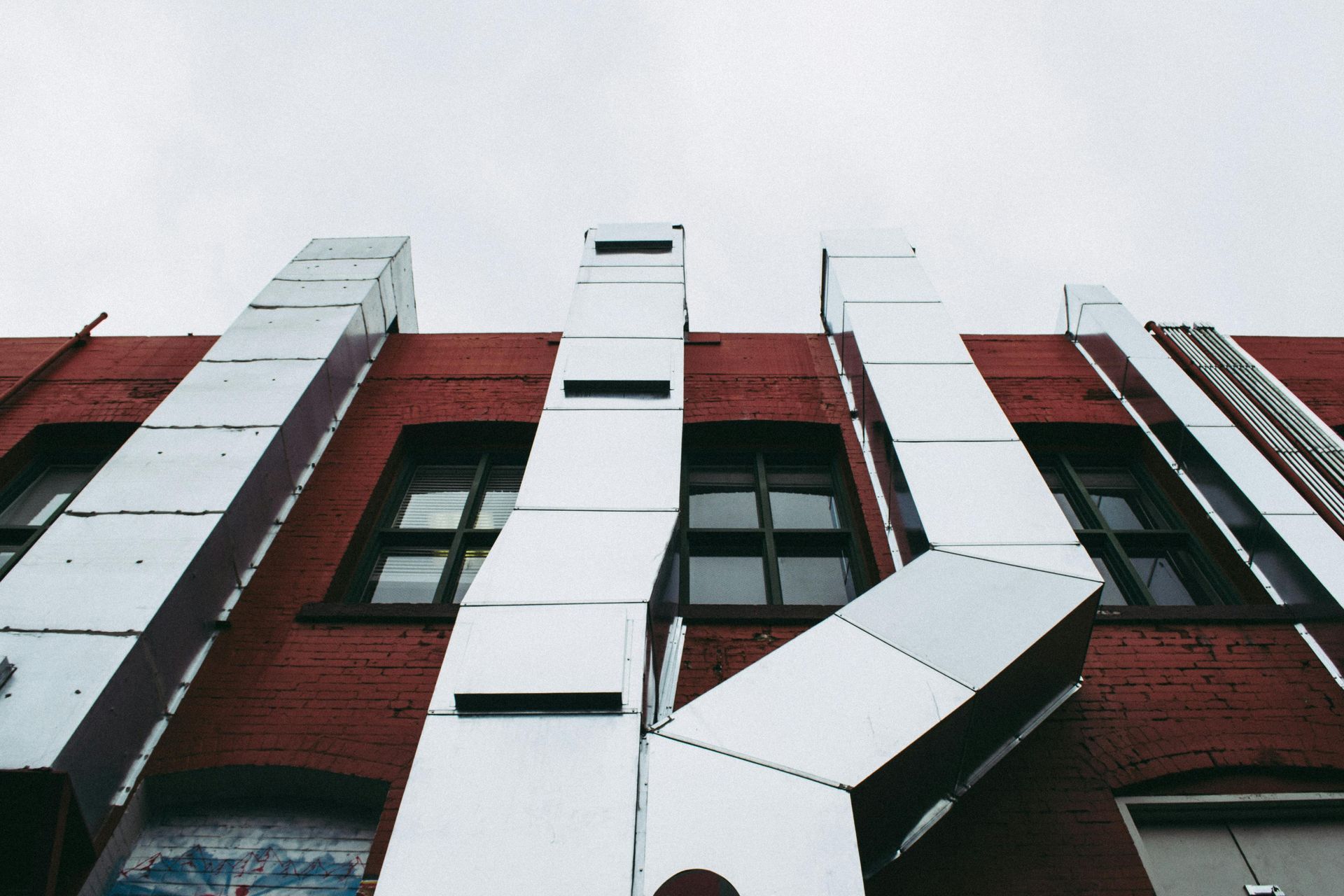
- Pipework and ducting
- Cable trays
- Ventilation systems
- High-level ledges and surfaces
- Tops of machinery and production equipment
- Lighting and suspended fixtures
- Warehouse racking
- Walls and ceilings
- Difficult-access voids and roof spaces
Depending on the building, specialist access equipment may be required to reach these areas safely and efficiently.
Why is high-level cleaning important?
High-level surfaces can accumulate significant amounts of dust and debris, particularly in busy industrial environments.
Even when floors, work areas and equipment are cleaned regularly, contamination at height can remain untouched for months or even years.
A planned industrial high-level clean can help businesses maintain a cleaner, safer and better-managed working environment.
1. Reduce dust and debris build-up
Industrial processes can generate large amounts of airborne dust and particulate matter.
Eventually, this material settles on beams, pipework, ducting, lighting and other high-level surfaces.
If left untreated, these deposits can continue to build up and may eventually fall back into operational or production areas.
Removing accumulated material at source helps prevent high-level contamination from becoming a recurring problem.
2. Improve overall site cleanliness
A facility can appear clean at ground level while significant contamination remains overhead.
High-level cleaning provides a much more comprehensive approach to maintaining industrial premises.
This can be particularly important for:
- Manufacturing facilities
- Food and beverage production sites
- Warehouses and distribution centres
- Engineering facilities
- Pharmaceutical environments
- Automotive facilities
- Large commercial buildings
For businesses operating within controlled or hygiene-sensitive environments, cleaning the entire facility rather than only the immediately visible areas can be particularly important.
3. Help protect machinery and equipment
Dust does not always remain on building structures.
Over time, airborne contamination can settle onto machinery, electrical equipment and production lines.
Excessive dust may interfere with equipment, restrict ventilation around components or create unnecessary additional cleaning requirements for maintenance teams.
Removing contamination from surrounding high-level areas can help reduce the amount of material continually falling onto equipment below.
4. Support fire-risk management
Some industrial environments generate combustible or flammable deposits.
Depending on the material involved, allowing large quantities of dust or debris to accumulate around machinery, electrical installations, lighting or other potential ignition sources may increase fire risk.
Regular inspection and cleaning of difficult-to-access areas can therefore form an important part of a wider site housekeeping and fire-risk management programme.
Where combustible dust is present, cleaning methods and equipment should always be appropriate for the specific environment and material involved.
5. Maintain ventilation and building services
Industrial buildings often contain extensive ductwork, ventilation equipment, pipework and other services at high level.
These surfaces can collect considerable amounts of dust.
Keeping these areas clean can make inspection and maintenance easier while preventing excessive contamination from accumulating around essential building services.
6. Improve working conditions
Dust and contamination at height can eventually become airborne again through movement, ventilation, machinery or general site activity.
Removing these deposits can help improve the overall cleanliness of the working environment.
This can be particularly valuable in facilities where dust is generated continuously as part of manufacturing, processing or warehousing operations.
Why high-level cleaning requires specialist equipment
Working at height introduces risks that do not exist during conventional cleaning.
Depending on the site, access may require:
- Mobile elevated work platforms
- Scissor lifts
- Specialist vacuum systems
- Extendable cleaning equipment
- Controlled access systems
- Trained working-at-height operatives
The correct method depends on the height of the building, machinery layout, access restrictions and type of contamination involved.
This is why a site assessment is important before high-level cleaning begins.
Can high-level cleaning be carried out while a site is operational?
In many environments, yes.
However, the cleaning programme needs to be planned carefully around production schedules, vehicle movements, machinery and employees working below.
Some facilities choose to schedule high-level cleaning during:
- Planned shutdowns
- Night shifts
- Weekends
- Maintenance periods
- Production changeovers
- Seasonal closures
For larger industrial sites, the cleaning programme can also be divided into sections so that disruption to operations is kept to a minimum.
How often should industrial high-level areas be cleaned?
There is no single cleaning frequency that suits every industrial site.
The appropriate schedule will depend on factors such as:
- The processes carried out within the building
- The amount and type of dust generated
- Building height
- Ventilation
- Production volumes
- Hygiene requirements
- Previous contamination levels
- Site risk assessments
Some facilities may require regular scheduled cleaning, while others may only need high-level cleaning periodically or during planned shutdowns.
A site survey can help determine the extent of contamination and establish an appropriate cleaning programme.
Don't wait until contamination becomes visible from the ground
One of the challenges with high-level cleaning is that contamination often develops gradually.
By the time thick deposits can be seen clearly from floor level, large areas of the building may already be affected.
Periodic inspections allow facilities teams to identify contamination earlier and plan cleaning before the build-up becomes more difficult to manage.
Industrial high-level cleaning from HEY Service Group
HEY Service Group provides
industrial high-level cleaning services for factories, warehouses, manufacturing facilities and large commercial premises across the UK.
Our teams can assess high-level areas throughout your facility and develop a cleaning programme around your operational requirements.
Whether you are dealing with accumulated dust, difficult-access surfaces or contamination throughout a large industrial building, we can help identify the areas requiring attention and determine the most suitable method of access.
Need help with industrial high-level cleaning?
Contact HEY Service Group to discuss your facility and arrange a site assessment.
Latest News